Plant Overview
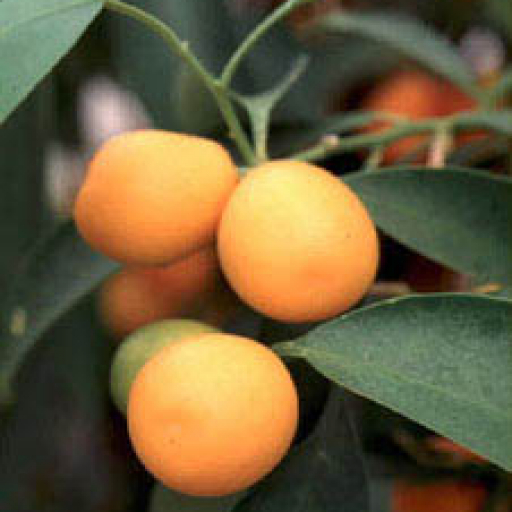
Meet the Marumi Kumquat, a pint-sized powerhouse of the citrus world often referred to as the "Round Kumquat." Unlike its larger orange cousins, this ornamental beauty offers a "backwards" eating experience where the skin is the sweetest part and the flesh is tangy. Native to Southern China and long-beloved in Japanese gardens, it symbolizes prosperity and is a favorite for both bonsai enthusiasts and home orchardists.
🔍 How to Identify
- 🍃 Foliage: Features dense, dark green, glossy leaves that are relatively small and oval, creating a lush evergreen canopy.
- 🌸 Blossoms: Produces tiny, star-shaped white flowers that release a heavy, sweet perfume capable of filling an entire room or patio.
- 🍊 Fruit: Small, perfectly round berries (about 1 inch in diameter) that transition from lime green to a brilliant, glowing orange when mature.
🏡 In Your Garden
- 🪴 Container Champion: Because of its slow growth and naturally compact habit, this is the ultimate citrus for patio pots or sunny balconies.
- ❄️ Winter Resilience: It is significantly more cold-tolerant than lemons or limes, entering a deep winter dormancy that helps it survive temperatures that would kill other citrus trees.
- ☀️ Sun Seeker: To produce the sweetest fruit, it requires maximum sunlight; a lack of light often results in "leggy" branches and fewer flowers.
⚠️ Safety & Toxicity
- 🍴 Human Consumption: The fruit is 100% edible and highly nutritious. For the best flavor, roll the fruit between your fingers first to release the sweet oils in the skin!
- 🐾 Pet Warning: While the fruit is generally safe, the leaves and peel contain essential oils (like limonene) and psoralens that can be toxic to dogs, cats, and horses if ingested in large quantities, potentially causing vomiting or photosensitivity.
✨ Fun Fact
The name "Kumquat" comes from the Cantonese word gam-gwat, which literally translates to "Golden Orange." In many Asian cultures, these plants are traditional gifts during the Lunar New Year to represent a "gold-studded" year of wealth and luck.

Detailed Care Instructions
| Humidity | High |
| Lighting | Full Sun |
| Difficulty | Easy |
| Temperature | 10°C - 30°C |
| Hardiness Zones | 10 - 9 |
To grow Fortunella Japonica, also known as kumquat, follow these steps:
- Choose a suitable location: Kumquat plants prefer full sun and well-draining soil. They can be grown in pots or directly in the ground.
- Prepare the soil: Amend the soil with organic matter to improve drainage and fertility. Kumquats prefer slightly acidic soil with a pH between 5.5 and 6.5.
- Planting: If growing in a pot, use a container with drainage holes and fill it with a well-draining potting mix. If growing in the ground, dig a hole slightly larger than the root ball and place the plant at the same depth it was growing in its nursery container.
- Watering: Kumquats need regular watering, especially during the growing season. However, they don't like wet feet, so make sure the soil is well-draining and allow the top inch of soil to dry out before watering again. Be cautious not to overwater, as it can lead to root rot.
- Fertilization: Apply a balanced organic fertilizer in early spring and again in mid-summer. Follow the package instructions for the appropriate amount and avoid over-feeding, as excessive nitrogen can impede fruit production.
- Pruning: Prune kumquat trees in late winter or early spring to shape them and remove any dead or damaged branches. Pruning is not as necessary for the Fortunella Japonica plant compared to other citrus varieties, but it can help promote air circulation and fruit production.
- Pest and disease control: Kumquats are generally resistant to pests and diseases but can be affected by aphids, mites, and scale insects. Regularly inspect the plant for any signs of infestation and apply organic pest control remedies if needed.
- Harvesting: Kumquats are usually ready for harvest in late winter or early spring. They are different from other citrus fruits as the whole fruit can be eaten, including the skin. Gently twist or cut the fruit off the tree when it is fully orange and ripe.
By following these steps, you can successfully grow Fortunella Japonica and enjoy the beautiful foliage and delicious fruit it produces.

Place in a bright room that is sun drenched almost all day. Or directly in a south-facing window.

First, it is important to understand the watering needs of this plant. It should be kept moist but not overly wet, as too much water can lead to root rot.
Start by checking the soil moisture level. Stick your finger 1-2 inches into the soil and see if it feels dry or moist. If it feels dry, it's time to water.
Fill a watering can with room temperature water and pour it slowly onto the soil at the base of the plant. Avoid getting water on the leaves or stem as this can cause damage or disease.
Keep an eye on the soil moisture level and adjust your watering schedule as needed. In general, during warmer months the plant may need more frequent watering. During colder months, watering can be reduced.
Finally, be mindful of any drainage issues in the plant's pot or container. Make sure there are adequate drainage holes and that water is not standing in the saucer or tray beneath the pot.
- Begin fertilizing in early spring, when new growth appears.
- Use a balanced fertilizer with equal parts nitrogen, phosphorus, and potassium.
- Dilute the fertilizer to half strength and apply every two weeks.
- Water the plant before and after fertilization to prevent root burn.
- Stop fertilizing in late summer to allow the plant to prepare for winter dormancy.
- Resume fertilizing in early spring of the following year.
When selecting soil for the Fortunella Japonica plant, it is important to consider the plant's specific moisture, drainage, and nutrient needs. A well-draining soil is beneficial for healthy crop growth and preventing waterlogged roots. A soil mix that contains a balance of organic matter, such as compost or peat moss, and sand or perlite is ideal for providing both good water retention and drainage. The soil should also have a slightly acidic pH balance, ideally between 5.5 and 6.5, as Fortunella Japonica plants prefer acidic soil conditions. Additionally, using a fertilizer formulated for acid-loving plants can provide essential nutrients that promote healthy growth and fruit production.
Fortunella Japonica can be propagated through a variety of methods, including seeds, cuttings, and air layering. Here are the steps to propagate through cuttings:
- Choose a healthy parent plant from which you will take cuttings. Make sure the parent plant is disease-free and has no signs of damage.
- Take a stem cutting from the parent plant. Make sure the cutting is about 6-8 inches long and has at least 2-3 nodes. Nodes are the points where the leaves meet the stem.
- Remove the leaves from the bottom half of the stem cutting. This will allow the cutting to devote energy to developing roots, rather than leaves.
- Dip the cut end of the stem in rooting hormone. This will encourage root growth and increase the chances of success.
- Plant the stem cutting in a pot filled with potting soil. Water the soil and cover the pot with a plastic bag to create a humid environment.
- Place the pot in a warm and bright location. Make sure the soil stays moist, but not too wet.
- Wait about 4-8 weeks for the roots to develop. Once you see new growth and roots emerging from the bottom of the pot, you can remove the plastic bag and watch your new Fortunella Japonica plant thrive!
Common pests of the kumquat include Scale insect, mealybugs, spider mites, aphids, thrips, larvae. Make a habit of checking your kumquat frequently for pests so that any infestations can be caught and managed early.








