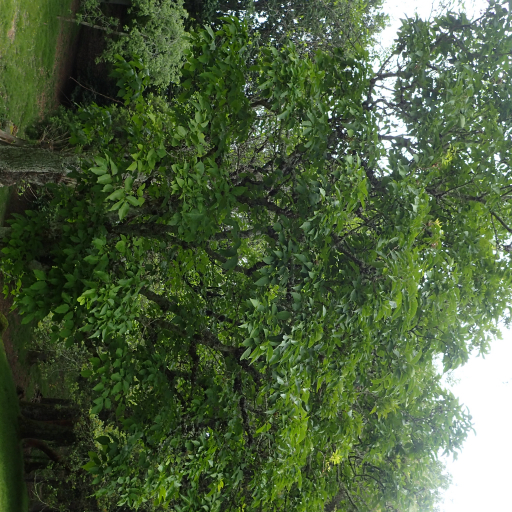
Plant Overview
Often called the Chinese Ash or the White Wax Tree, Fraxinus chinensis is a stately deciduous tree deeply rooted in East Asian history. For centuries, it has been more than just a provider of shade; it was a vital component of the "white wax" industry and remains a symbol of resilience in both wild forests and urban landscapes. Its elegant, airy canopy makes it a favorite for those seeking a classic woodland aesthetic.
🔍 How to Identify
- 🌿 The Leaflet Layout: It features "pinnate" compound leaves, usually consisting of 5 to 9 oval-shaped leaflets with finely serrated edges that turn a soft, glowing yellow in the autumn.
- 🪵 The Bark Texture: As the tree matures, the bark transitions from smooth and grey to a rugged, fissured texture that often develops subtle diamond-like patterns.
- 🚁 Winged Seeds: It produces single-winged fruits called samaras. These look like tiny tan paddles and are designed to spin like helicopters, allowing the wind to carry them far from the parent tree.
🏡 In Your Garden
- ☀️ Sun Seeker: This tree is not a fan of the shade; it requires a position in full sun to develop its characteristic broad, rounded crown.
- 💪 Adaptable Roots: One of its greatest strengths is its tolerance for various soil types, including clay and alkaline soils. It is particularly valued in urban gardening because it can handle air pollution better than many other ornamental trees.
- 🛡️ Pest Vigilance: While hardy, it is susceptible to the Emerald Ash Borer. If you notice thinning at the top of the canopy or D-shaped holes in the bark, it may need professional "tree doctor" intervention.
⚠️ Safety & Toxicity
- 🐾 Non-Toxic Status: Fraxinus chinensis is generally considered safe and non-toxic for dogs, cats, and horses. It is a "worry-free" addition to a yard with roaming pets.
- 🤧 Pollen Potential: Because it is wind-pollinated, the male trees can release significant amounts of pollen in the spring. If you suffer from seasonal allergies, this tree might trigger a "sneezing season."
✨ Fun Fact
The nickname "White Wax Tree" comes from a fascinating biological partnership: the tree is the primary host for the Chinese Wax Scale insect. These tiny insects secrete a snowy-white wax that was historically harvested to make high-quality candles, furniture polish, and even coatings for traditional medicines!

Detailed Care Instructions
To grow a Fraxinus Chinensis plant, also known as Chinese ash, follow these steps:
- Choose a suitable planting location: Fraxinus Chinensis grows best in full sun or partial shade. Make sure the area has well-draining soil.
- Prepare the soil: Before planting, loosen the soil and remove any weeds or grass. Mix in organic matter like compost to improve drainage and nutrient content.
- Obtain a Fraxinus Chinensis sapling or seeds: You can either purchase a young plant from a nursery or grow it from seeds. If using seeds, soak them in water for 24 hours before planting.
- Plant the sapling or seeds: Dig a hole slightly wider and deeper than the sapling's root ball or seeds. Place the sapling in the hole, ensuring it's level with the surrounding ground. If planting seeds, sow them 1-2 inches deep and cover with soil.
- Water regularly: Fraxinus Chinensis plants require regular watering during their establishment phase. Water deeply, ensuring the soil is moist but not waterlogged. Once established, water whenever the top inch of soil feels dry.
- Mulch the base: Apply a layer of organic mulch around the base of the plant to retain moisture, suppress weeds, and regulate soil temperature.
- Prune as needed: Pruning is not typically necessary for Fraxinus Chinensis plants, but you can remove any dead or diseased branches to maintain a healthy appearance.
- Fertilize occasionally: Fraxinus Chinensis doesn't require excessive fertilization, but you can apply a slow-release balanced fertilizer in the spring if desired. Follow the package instructions for proper application rates.
- Protect from pests and diseases: Monitor the plant regularly for signs of pests like borers, aphids, or leafhoppers, as well as diseases like powdery mildew or ash dieback. Take appropriate measures, such as applying insecticides or fungicides, to control these issues if necessary.
- Provide support, if needed: Young Fraxinus Chinensis plants may require staking in windy areas until they establish strong root systems. Use a bamboo stake and loosely tie the plant to it with a soft twine.
By following these steps and providing adequate care, you can successfully grow a Fraxinus Chinensis plant.

Place in a bright room that is sun drenched almost all day. Or directly in a south-facing window.

The watering requirements for this plant should follow a careful regime that aims to provide it with enough moisture without overwatering. The general rule of thumb is to check the soil for the plant's moisture level before watering. Ensure the top layer of the soil is dry before adding any water.
When watering, it is important to water the base of the plant, as opposed to the leaves. Excess water can cause fungal growth and rot of the leaves. Watering the base, on the other hand, ensures that the roots receive enough moisture to keep the plant hydrated.
Another critical factor is the amount of water given. It depends on many factors, such as soil type, humidity levels, sunlight exposure, and temperature. A general guideline for watering Fraxinus Chinensis is to provide about 2 inches of water per week for the first few weeks. After that, water the plant deeply, ensuring that the soil is moist down to the roots.
Finally, keep in mind that too much water can be just as harmful as too little. Only water the plant when the soil is dry, and avoid overwatering it. It is essential to keep the plant in well-draining soil to prevent stagnant water, which can lead to root rot. Regular watering combined with a healthy soil condition will keep your Fraxinus Chinensis healthy, thriving, and looking its best.
To fertilize this plant, use a balanced fertilizer with equal parts nitrogen, phosphorus, and potassium. Apply the fertilizer in early spring before new growth appears and again in mid-summer. Follow the instructions on the fertilizer package for application rates and frequency. Water the plant thoroughly after fertilizing to help the nutrients penetrate the soil. Avoid over-fertilizing, as this can lead to excessive growth and weaken the plant.
Fraxinus Chinensis belongs to a particular group of trees that requires specific soil conditions to thrive. The best type of soil for this plant is well-draining and rich in nutrients. The soil should have a pH level between 6.0 and 7.5, which is slightly acidic to neutral. This plant prefers loamy soil with a good balance of sand, silt, and clay. This type of soil has good water retention capabilities and is not too heavy, allowing for proper drainage. It should also be fertile, with a suitable amount of organic matter. Avoid using heavy clay soil that can retain excess water, leading to root rot. Additionally, the soil should be free of rocks and other debris that can interfere with root growth.
Fraxinus Chinensis is a plant species that belongs in the Oleaceae family. It is possible to propagate this plant through several different methods including root cuttings, seeds, and grafting.
To propagate Fraxinus Chinensis through root cuttings, take a section of the plant's root system and cut it to a length of around 6 inches. Make sure to use a sharp, clean pair of pruning shears to avoid damaging the roots. Dip the cut end of the root cutting into rooting hormone, and then plant it in moist soil or sand. Keep the soil evenly moist and in a warm, brightly lit area until the roots have established.
Seeds are another method of propagating Fraxinus Chinensis. Collect the mature seeds from the plant's seed pods. Clean the seeds to remove any excess plant material and soak them in warm water for 24 hours before planting. Plant the seeds in well-draining soil and keep the soil evenly moist. Germination typically takes several weeks to several months.
Grafting is also an effective method of propagating Fraxinus Chinensis. This involves taking a cutting from the plant and attaching it to the rootstock of a compatible plant species. The two plant sections will fuse together to form a single plant with the combined genetic traits of both parent plants. Grafting is a highly skilled technique that should only be attempted by experienced gardeners.
Regardless of the propagation method chosen, it is important to provide the Fraxinus Chinensis plant with proper care and growing conditions. This includes regular watering, fertilizing, and pruning as needed to promote healthy growth and development.








