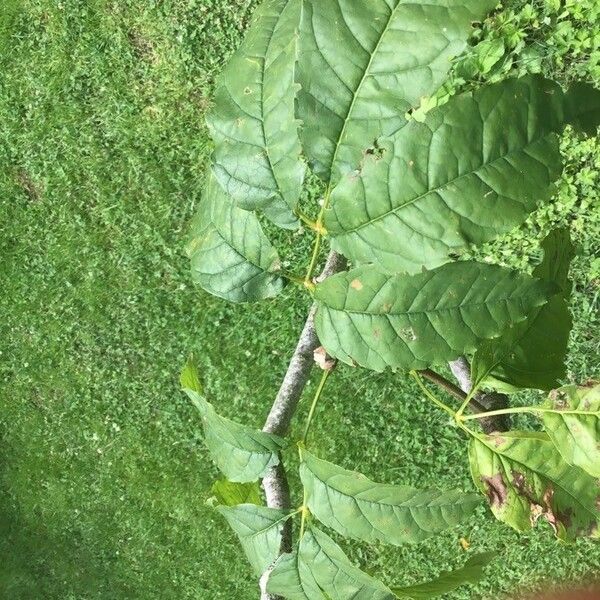
Plant Overview
Known as the Long-style Ash, this graceful deciduous tree hails from the mountain slopes and valleys of China. It earns its botanical name, stylosa, from the unusually long "styles" (the pollen-receiving part of the flower) that protrude during its blooming phase. While less common in commercial nurseries than its giant cousins, it is a prized specimen for those looking to add a touch of delicate, airy texture to a temperate landscape.
🔍 How to Identify
- 🌿 The Foliage: Features classic ash-like pinnate leaves, usually composed of 3 to 7 slender, pointed leaflets with finely serrated edges.
- 🌸 The "Styles": Unlike showy flowers with petals, this tree produces clusters of greenish-white blooms that are defined by their long, thread-like structures.
- 🚁 The Seeds: Produces "samaras"—winged seeds that resemble tiny wooden paddles or helicopter blades—which turn from pale green to a papery tan as they mature.
- 🪵 The Bark: The trunk stays relatively smooth and grey for many years, eventually developing a fine, shallow diamond-patterned texture as the tree reaches maturity.
🏡 In Your Garden
- 🌱 Space to Breathe: While it is smaller than the towering American or European Ash, it still requires room to spread. It hates being crowded, as good airflow is essential to prevent powdery mildew on the leaves.
- 💧 Establishment Period: Once mature, it is quite hardy, but young saplings have a sensitive root system. Avoid transplanting them once they are established, as they prefer to stay put and can suffer from "transplant shock" due to their deep-seeking taproots.
- ☀️ Sun Seeker: This tree thrives in full sun. In shaded spots, the canopy can become "leggy" and sparse, losing the dense, rounded shape that makes it an attractive ornamental.
⚠️ Safety & Toxicity
- ✅ Safe Status: Fraxinus stylosa is generally considered non-toxic to humans, dogs, cats, and horses.
- 🤧 Pollen Alert: Like most members of the Ash family, it is a wind-pollinator. During the spring, it may release significant amounts of pollen which can trigger hay fever or asthma in sensitive individuals.
✨ Fun Fact
In its native Chinese habitats, the wood of the Ash tree has been used for centuries to craft resilient tool handles and walking sticks because of its incredible "shock-absorbing" qualities—it can bend significantly without snapping!

Detailed Care Instructions
Fraxinus stylosa, also known as the Claret Ash, is a medium-sized deciduous tree that is native to Australia. Here are some tips on how to grow Fraxinus stylosa:
- Climate: Fraxinus stylosa prefers a warm, temperate climate with well-drained soil. It can tolerate periods of drought, but it also does well in moist, fertile soil.
- Location: Choose a sunny spot in your garden for planting the Fraxinus stylosa. Make sure to give the tree enough space to grow to its full size, as it can reach up to 8-10 meters in height.
- Planting: Plant the Fraxinus stylosa in the spring or fall, making sure to dig a hole that is twice as wide as the root ball. Mix in some compost or well-rotted manure to enrich the soil before planting.
- Watering: Keep the newly planted Fraxinus stylosa well-watered, especially during dry periods. Once established, the tree is drought-tolerant and will only need occasional watering.
- Pruning: Prune the Fraxinus stylosa in late winter or early spring to remove any dead or diseased branches and to shape the tree. Avoid heavy pruning, as this can stress the tree.
- Fertilizing: Feed the Fraxinus stylosa with a balanced fertilizer in the spring to encourage healthy growth.
- Mulching: Apply a layer of mulch around the base of the tree to help retain moisture and suppress weeds. Make sure to keep the mulch away from the trunk to prevent rot.
By following these tips, you can successfully grow a Fraxinus stylosa plant in your garden. Remember to provide regular care and maintenance to ensure the tree thrives and flourishes.
To water the Fraxinus Stylosa plant, ensure that the soil is moist but not waterlogged. Water the plant deeply, allowing the water to penetrate the root system. Allow the soil to dry out slightly between waterings to prevent root rot. Be cautious not to water the foliage to avoid fungal diseases. Additionally, consider using a watering can or a hose with a nozzle attachment to direct the water at the base of the plant. Watering early in the day allows for optimal absorption before the heat of the sun evaporates the moisture. Adjust the frequency of watering based on the season, temperature, and humidity levels. It is essential to consistently monitor the soil moisture levels to provide adequate hydration for the Fraxinus Stylosa plant.
To fertilize Fraxinus Stylosa, apply a balanced fertilizer in early spring before new growth emerges. Use a slow-release fertilizer or a liquid fertilizer diluted to half strength. Spread the fertilizer evenly around the base of the plant and water thoroughly to allow the nutrients to penetrate the soil. Repeat this fertilization process once or twice a year, following the same guidelines, to promote healthy growth and development of the plant. Avoid over-fertilizing, as this can cause nutrient imbalances and potentially harm the plant.
Fraxinus Stylosa plants prefer well-draining, loamy soil that is slightly acidic to neutral in pH. A mix of sandy and loamy soil with good organic content is ideal for these plants. It is important to avoid heavy clay soil, as it can lead to waterlogging and root rot.
To improve the soil drainage and aeration, you can incorporate perlite or sand into the soil mix. Adding organic matter, such as compost or well-rotted manure, can also help improve the soil structure and provide essential nutrients for the plant's growth.
Regularly testing the soil pH and nutrient levels can help ensure that the soil conditions are optimal for Fraxinus Stylosa plants. It is also important to water the plant consistently and avoid overwatering, as excessive moisture can lead to root diseases. Proper soil maintenance and fertilization can help promote healthy growth and flowering in Fraxinus Stylosa plants.
Fraxinus Stylosa plants can be propagated through various methods such as seeds, cuttings, and layering. One method is by collecting seeds from the plant and planting them in a well-draining soil mix. Make sure to keep the soil consistently moist and provide a warm environment for germination to occur.
Another method is by taking cuttings from the plant. Choose healthy, young stems and take cuttings of around 4-6 inches in length. Remove the lower leaves and dip the cut end in a rooting hormone before planting it in a pot with moist soil. Keep the cutting in a warm and humid environment to encourage root development.
Layering is another propagation method for Fraxinus Stylosa plants. This involves bending a low-growing stem to the ground, making a small incision on the underside, and burying it under soil. Roots will eventually grow from the incision point, allowing you to separate the new plant from the parent plant once it has established a strong root system.
Overall, propagating Fraxinus Stylosa plants can be a rewarding process that allows you to create new plants from existing ones. Each method has its own advantages and challenges, so it's important to choose the one that works best for you and your growing environment.








