Plant Overview
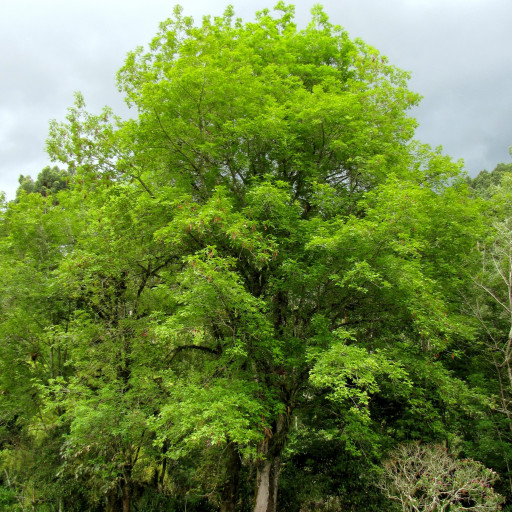
Often called the Shamel Ash or Evergreen Ash, Fraxinus uhdei is the marathon runner of the ash family. Native to Mexico and Central America, this tree is a favorite for those seeking a "quick fix" for shade, as it can transform a bare yard into a leafy sanctuary in just a few seasons. While it behaves like an evergreen in tropical climates, it shows its deciduous roots by shedding leaves in colder regions.
🔍 How to Identify
- 🍃 Lush Leaflets: Look for compound leaves arranged in groups of 5 to 9. Each leaflet is glossy, dark green, and shaped like a narrow oval with finely pointed tips.
- 🪵 Rugged Bark: On young trees, the bark is smooth and gray, but as it matures, it develops deep, interlacing furrows that create a diamond-like texture.
- 🛸 "Helicopter" Seeds: It produces single-winged seeds known as samaras. These drooping clusters turn brown and spin like tiny propellers when they catch the wind in autumn.
🏡 In Your Garden
- 🌳 Space for Roots: This tree is a giant in the making. Because it grows so rapidly, its surface roots can be quite powerful; avoid planting it too close to driveways or sidewalks to prevent "pavement lifting."
- 💧 The Deep Soak: While it can tolerate moderate drought once established, the Shamel Ash performs best with deep, occasional watering. This encourages the roots to grow downward rather than spreading across the surface of your lawn.
⚠️ Safety & Toxicity
- ✅ Generally Safe: Fraxinus uhdei is not considered toxic to dogs, cats, or horses. It is a safe choice for family-oriented landscapes.
- 🤧 Pollen Potential: Like most ash species, the male trees produce wind-borne pollen in late winter or early spring, which may be a significant trigger for neighbors or family members with seasonal allergies.
✨ Fun Fact
Despite its common name "Evergreen Ash," the tree is actually a "facultative deciduous" plant. This means it only stays green year-round if the winter is mild enough; if a hard frost hits, it will drop its leaves just like a traditional oak or maple!

Detailed Care Instructions
To grow Fraxinus uhdei (also known as Shamel ash or evergreen ash), you can follow these steps:
- Climate: Ensure you are in a suitable climate zone. Fraxinus uhdei thrives in Mediterranean or subtropical climates with mild winters and hot summers.
- Location: Choose a well-drained planting location with full sun to partial shade. Fraxinus uhdei prefers slightly acidic to neutral soil conditions.
- Propagation: You can grow Fraxinus uhdei from seeds, cuttings, or container-grown nursery stock. Seeds can be collected from mature trees in the fall and stratified in the refrigerator for a few weeks before planting.
- Soil preparation: Before planting, amend the soil with organic matter like compost to improve drainage and nutrient content.
- Planting: Dig a hole larger than the root ball and gently place the seedling or cutting into the hole. Backfill with soil, tamping it down lightly to remove air pockets. Water thoroughly after planting.
- Watering: Fraxinus uhdei requires regular watering during the establishment period. Once established, it becomes more drought-tolerant but will benefit from consistent watering during extended dry periods.
- Mulching: Apply a layer of mulch around the base of the tree to help conserve moisture and suppress weed growth.
- Fertilizing: Fertilize Fraxinus uhdei in early spring with a slow-release, balanced fertilizer. Follow the package instructions for dosage and application method.
- Pruning: Prune the tree during the late winter or early spring to remove dead, damaged, or diseased branches. Regular pruning helps maintain the desired shape and promotes healthy growth.
- Pest and disease control: Monitor the tree for any signs of pests such as aphids or diseases such as powdery mildew. Treat as necessary with appropriate organic or chemical controls.
- Protection: Protect young Fraxinus uhdei plants from extreme temperatures or frost by covering them or providing temporary shelter. Mulching around the base of the tree can also help protect the roots.
Remember to regularly monitor the health of your Fraxinus uhdei plant and make adjustments as needed to ensure proper growth and development.

Place in a bright room that is sun drenched almost all day. Or directly in a south-facing window.

To properly water this plant, you should ensure that the soil is moist but not waterlogged. You can use a watering can or hose to water the base of the plant. Avoid getting water on the leaves or foliage as this can cause damage. The frequency of watering may depend on factors such as the climate, soil type, and amount of sunlight the plant is receiving. Checking the soil regularly by touching it or using a moisture meter can help you determine when it needs to be watered. It's important not to let the soil completely dry out as this can harm the plant, but also avoid overwatering as this can lead to root rot and other issues.
To fertilize this plant, you will want to use a slow-release fertilizer that is high in nitrogen. Apply the fertilizer in the spring, after the last frost, and again in early summer. It is important to follow the manufacturer's instructions for the amount and schedule of fertilization. In addition to fertilization, make sure to water the plant deeply and regularly throughout the growing season to ensure healthy growth.
Fraxinus uhdei plants prefer well-draining soil that is slightly acidic to neutral in pH. The soil should be rich in organic matter, such as compost or aged manure, to provide essential nutrients. Sandy loam soils are ideal for these plants, as they allow for good drainage and root growth. Heavy clay soils should be amended with sand or perlite to improve drainage. It is important to ensure that the soil is not waterlogged, as this can lead to root rot and other plant diseases. A layer of mulch around the base of the plant can help to retain moisture and suppress weeds.
Fraxinus Uhdei plants can be propagated through a variety of methods such as seed propagation, cutting propagation, and grafting.
To propagate through seed, collect the seeds from a parent plant during the fall season when they are ripe and place them in a container with moist soil. Keep the container in a warm location until the seeds begin to germinate, which should take about 3 to 4 weeks. Once the seeds have germinated, transfer them to individual pots and keep them in a well-lit area until they are large enough to be transplanted into their final location.
Another method of propagation is through cutting. To do this, take cuttings from a healthy parent plant that are approximately 8 to 10 inches long and have several leaves on them. Strip the bottom leaves off the cutting, leaving only a few on the top, and dip the cut end in rooting hormone. Place the cutting in moist soil and cover it with a clear plastic bag to create a humid environment. Keep the soil moist and provide indirect light until the cutting has developed roots, which should take about 4 to 6 weeks.
Grafting is also an option for propagation. This involves taking a cutting from a parent plant and attaching it to a rootstock of a different plant. This method can be more complicated and is usually done by experienced horticulturists.
Overall, propagating Fraxinus Uhdei requires patience and attention to detail, but can be a rewarding way to multiply this plant for future growth.








