Plant Overview
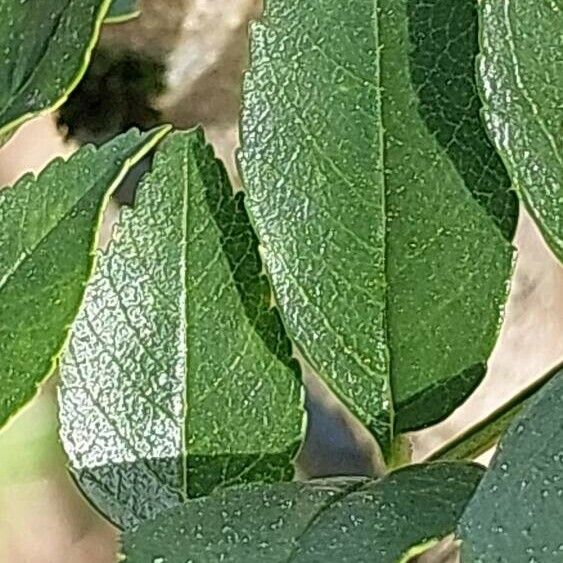
Known as the Afghan Ash or Yellow-wood Ash, this rugged beauty is a true survivor of the high-altitude, rocky terrains of Afghanistan and the Himalayas. Unlike its towering European cousins, this species often grows as a multi-stemmed large shrub or a small, twisting tree, giving it a natural, bonsai-like character that adds instant texture to any landscape. Its botanical name, xanthoxyloides, literally means "resembling Zanthoxylum," referring to its delicate, toothy leaves that look remarkably like those of the Prickly Ash.
🔍 How to Identify
- 🍃 The Foliage: The leaves are relatively small compared to other ash trees, featuring 7 to 11 tiny, oval leaflets with finely serrated edges that turn a subtle yellow in the autumn.
- 🎋 Twigs and Bark: The branches are greyish-green and remarkably stiff, often appearing almost "thorny" due to the way the side shoots develop, though they lack true spines.
- 🌸 The Bloom: In early spring, it produces inconspicuous, brownish-green flowers that appear in small clusters before the leaves fully emerge.
🏡 In Your Garden
- ⛰️ Rocky Roots: Because it originates from mountainous regions, this tree is incredibly drought-tolerant and thrives in well-draining, even poor or rocky soil where other plants might struggle.
- ☀️ Sun Seeker: It demands full sun to maintain its dense, bushy shape; if planted in the shade, it tends to become leggy and loses its characteristic "rugged" aesthetic.
- ✂️ Slow and Steady: It is a slow-growing species, making it an excellent choice for smaller gardens or large containers where you want a structural plant that won't overwhelm the space.
⚠️ Safety & Toxicity
- 🟢 Non-Toxic: The Afghan Ash is generally considered safe and non-toxic for humans, dogs, and cats.
- 🤧 Pollen Note: Like most members of the Fraxinus genus, it produces wind-borne pollen during the spring, which may trigger mild hay fever in sensitive individuals.
✨ Fun Fact
The wood of the Afghan Ash is legendary in its native regions for its extreme toughness and elasticity. For centuries, it has been the preferred material for crafting high-quality walking sticks and tool handles, earning it the nickname "The Ironwood of the Mountains."

Detailed Care Instructions







