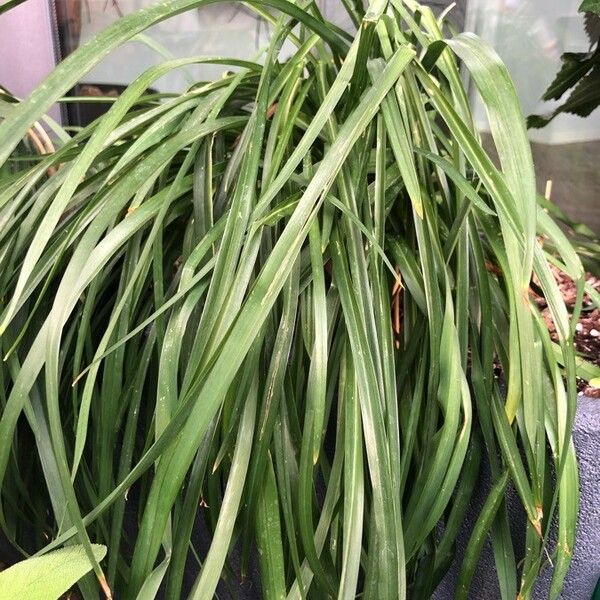
Plant Overview
Known as the "Cape Freesia," Freesia corymbosa is a vintage charm of the South African wild. Long before the giant, rainbow-colored hybrids filled florist shops, this delicate species graced the fynbos with its pale cream blooms and a perfume so potent it can fill an entire room. In the language of flowers, it has long been a symbol of "innocence" and "thoughtfulness."
🔍 How to Identify
- 🌼 The Blooms: Features elegant, funnel-shaped flowers that are typically cream or ivory, often marked with a distinct "egg-yolk" yellow splash on the lower petals.
- 📐 Horizontal Spikes: The flower stem (rachis) takes a sharp, nearly 90-degree bend, causing the flowers to sit in a neat, horizontal row facing upward toward the sun.
- 🗡️ Sword-like Foliage: Slender, bright green leaves that grow in a flat, fan-like arrangement from the base, resembling a miniature Iris.
🏡 In Your Garden
- 🏜️ The Summer Siesta: This plant follows a Mediterranean growth cycle. It grows during the cool, wet months and goes completely dormant in the heat of summer. Do not panic when the leaves wither in July; the plant is simply resting underground as a bulb (corm).
- 🌬️ Scent Strategy: To get the most out of its fragrance, plant it in a container near a doorway or window. The scent is most concentrated in the late afternoon as the air cools, designed to attract its native pollinators.
⚠️ Safety & Toxicity
- 🐾 Pet Friendly: Great news for pet owners—Freesias are considered non-toxic to dogs, cats, and horses by the ASPCA.
- 🧤 Skin Sensitivity: While safe to touch for most, the sap from the stems can occasionally cause "bulb-handler's itch" (mild dermatitis) in people with very sensitive skin. It is best to wear gloves if you are harvesting a large bouquet.
✨ Fun Fact
The primary chemical responsible for this plant's legendary scent is Linalool. This is the same aromatic compound found in lavender and mint, which is why the fragrance feels both spicy and incredibly calming!

Detailed Care Instructions
To grow Freesia Corymbosa (also known as African freesia or tropical freesia), you can follow these steps:
- Climate and sunlight: Freesia Corymbosa thrives in warm climates and prefers full sunlight. Find a suitable location that receives direct sunlight for at least 6-8 hours a day.
- Soil preparation: Ensure that the soil is well-draining and fertile. Freesia Corymbosa prefers slightly acidic soil with a pH of around 6-7. Add compost or organic matter to improve the soil structure and fertility.
- Planting time: Plant the freesia corms (bulb-like structures) in spring or early summer, after the last frost date. You can also start the seeds indoors a few weeks before the last frost and transplant them once the weather is warmer.
- Planting depth: Dig holes in the soil about 2-3 inches deep, with a spacing of 4-6 inches between each corm. Place the corms in the holes, pointed side up, and cover them with soil.
- Watering: Freesia Corymbosa requires regular watering, especially during the growing season. Keep the soil moist, but avoid overwatering, as it can lead to rot. Water deeply, and ensure that the soil drains well.
- Fertilization: Apply a balanced slow-release fertilizer or a liquid fertilizer that is high in phosphorus (P) and potassium (K) to promote healthy growth. Follow the instructions on the fertilizer package for the appropriate dosage.
- Mulching: Apply a layer of organic mulch around the plants to help retain moisture, suppress weed growth, and regulate soil temperature. Avoid mulching directly over the corms to prevent rotting.
- Support: Freesia Corymbosa can grow tall, so it may benefit from staking or providing a trellis for support to prevent bending or breaking.
- Pests and diseases: Keep an eye out for common pests like aphids, snails, or slugs, and take appropriate measures to control them. Diseases such as rot can be prevented by ensuring proper drainage and avoiding overwatering.
- Harvesting: Freesia Corymbosa typically blooms in late summer or early fall. Once the flowers start to fade, you can cut the stems for bouquets or leave them in the garden to enjoy their fragrance. Deadhead spent blooms to encourage further blooming.
By following these steps, you can successfully grow and enjoy the beautiful blooms of Freesia Corymbosa.

To water this plant, wait until the top inch of soil is dry before watering thoroughly. Allow excess water to drain out of the bottom of the pot or planting location. Avoid letting the plant sit in standing water for extended periods of time. During periods of active growth, Freesia Corymbosa may require more frequent watering. It is best to water in the morning or early evening to avoid evaporation and ensure the plant has adequate moisture throughout the day.
To fertilize the plant, mix a water-soluble fertilizer with water according to the package instructions. Water the soil around the plant with the fertilizer solution, being careful not to get any on the leaves or flowers. Repeat once a month during the growing season, and stop fertilizing when the plant goes dormant in the fall.
The Freesia Corymbosa plant prefers well-draining soil that is slightly acidic with a pH level of around 6.5 – 7.0. It also requires soil rich in organic matter, such as compost or leaf mold. A good mix for this type of plant would be a 1:1 ratio of soil and compost. Due to its preference for well-draining soil, it is important to avoid heavy or clay soils as they are prone to becoming waterlogged and can cause root rot. Adding perlite or coarse sand can improve drainage in heavy soils. It is recommended to avoid using any soil that has previously been used for growing bulbs, as they may carry diseases that can affect the Freesia Corymbosa plant.
Propagation of this plant can be done through its corms, which are modified underground stems that store energy and nutrients. The corms can be harvested from the parent plant after flowering has finished and the foliage has died back. Carefully remove the corms from the soil and clean them gently to remove any debris.
Ensure that the corms are healthy and have no signs of damage, rot, or disease. Choose the largest corms for propagation, as they will produce stronger and more vigorous plants.
Plant the corms in a well-draining potting mix, either in individual containers or in a larger tray. Water the soil well and keep it moist but not waterlogged. Provide bright, indirect light and maintain a temperature of around 18-21°C.
The corms will start to produce new shoots within a few weeks. As the plants grow, increase the amount of light they receive and gradually reduce the moisture to encourage them to develop a strong root system.
After the plants have become established, they can be transplanted into larger containers or planted out into the garden. Ensure that they are well-watered and receive adequate fertilization to promote healthy growth and flowering.








