Plant Overview
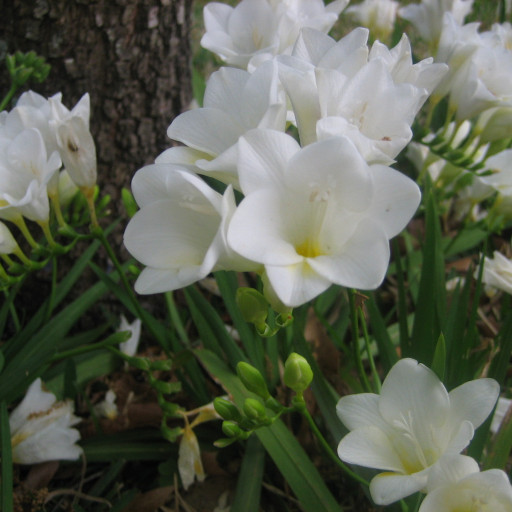
Known as the "Essence of Pure Spring," Freesia x hybrida is perhaps one of the most beloved florist flowers in the world. These South African beauties are famous for their "one-sided" flowering spikes and a scent so sweet and citrusy that it has become a staple in high-end perfumes. In the language of flowers, they represent friendship, trust, and innocence, making them a popular choice for wedding bouquets and "thank you" gifts.
🔍 How to Identify
- 🎺 The Blooms: Funnel-shaped flowers that appear in a rainbow of colors, from snowy white and buttery yellow to vibrant violet and deep crimson.
- 📐 Geometric Stems: Notice how the flowers grow along one side of a horizontal, wiry stem that often "dog-legs" or turns at a 90-degree angle.
- 🗡️ Sword-like Foliage: Long, narrow, bright green leaves that emerge from the base, resembling a fan or a small sword.
🏡 In Your Garden
- 🧴 Scent Strategy: Because Freesias are so fragrant, they are best planted near a patio, walkway, or under a window where the breeze can carry their perfume indoors.
- 🧊 The Chill Factor: Unlike many tropical bulbs, Freesias actually prefer cool night temperatures (around 50-55°F or 10-13°C) to initiate flower buds. If it's too hot, they may produce plenty of leaves but no flowers.
- 💧 Water Quality: These plants can be a bit "diva-ish" about tap water; they are sensitive to fluoride, which can cause the leaf tips to turn brown. Using rainwater or filtered water keeps them looking pristine.
⚠️ Safety & Toxicity
- ✅ Status: Generally considered non-toxic to humans and pets.
- 🧤 Skin Sensitivity: While not poisonous, the sap from the corms (the bulb-like base) can occasionally cause mild skin irritation or "bulb dermatitis" in professional gardeners or people with very sensitive skin. Wearing gloves when planting is a good precaution.
✨ Fun Fact
Freesias are "zygomorphic," which is a fancy botanical way of saying they only grow flowers on one side of the stem. This unique architecture allows them to present their blooms horizontally to the sun, making it easier for pollinators (and humans!) to find them.

Detailed Care Instructions
To grow Freesia X Hybrida plants, follow these steps:
- Choose a location: Select a sunny spot in your garden that receives at least 6-8 hours of direct sunlight per day.
- Prepare the soil: Freesias prefer well-draining soil with a pH of around 6 to 7. If your soil is heavy or clayey, improve it by adding organic matter like compost or well-rotted manure to enhance drainage.
- Planting time: Plant Freesia bulbs in spring, after the last frost date in your area. They can also be planted in late autumn for early spring blooms.
- Prepare the bulbs: Soak the Freesia bulbs in water for a few hours before planting to hydrate them. This will help jumpstart their growth.
- Planting depth: Dig holes that are about 2-3 inches deep and space them 2-4 inches apart. Place the bulbs into the holes with the pointed side facing up.
- Add compost: Add a layer of compost on top of the planted bulbs to provide them with necessary nutrients.
- Watering: Water the newly planted bulbs thoroughly, ensuring the soil is moist but not waterlogged. After that, water them regularly to keep the soil slightly damp throughout their active growth period.
- Fertilization: Once the plants start growing, you can fertilize them with a balanced fertilizer every 4-6 weeks to encourage healthy growth and blooming.
- Staking: Freesias tend to have tall flower stalks and might require staking to support them. You can use bamboo stakes or similar supports to prevent their stems from bending or breaking.
- Deadheading: Remove faded flowers regularly by cutting the stem just above a healthy leaf or bud. This will promote continuous blooming and prevent the plant from going to seed.
- Overwintering: If you live in a region with cold winters, protect the Freesia bulbs by mulching them with straw or leaves during winter. This will insulate them from extreme temperatures and ensure their survival.
By following these steps, you can successfully grow Freesia X Hybrida plants and enjoy their beautiful blooms.

Place in a bright room that is sun drenched almost all day. Or directly in a south-facing window.

To water this plant, it is important to keep the soil evenly moist but not too wet. This can be achieved by watering deeply once or twice a week, as opposed to light and frequent watering. It is also important to water at the base of the plant and avoid getting water on the foliage, as this can promote disease development. During hot and dry weather, the plant may require more frequent watering to prevent stress and wilting. It is recommended to use a well-draining soil mix and a pot with drainage holes to ensure excess water can escape.
To fertilize this plant, use a balanced, water-soluble fertilizer and apply it every 2-3 weeks during the growing season. Mix the fertilizer according to package instructions and apply it to the soil around the plant, being careful not to get any on the leaves or flowers. Water thoroughly after fertilizing. Avoid fertilizing when the plant is dormant.
The ideal type of soil to use for growing the Freesia X Hybrida plant is a well-draining, humus-rich soil that has a slightly acidic to neutral pH level. The soil should also have good aeration to ensure healthy root growth and development. It is important to avoid using heavy, compacted soils or those with poor drainage, as this can cause root rot and other issues. Adding organic matter such as compost or leaf mold can help improve soil structure and fertility. Additionally, it is recommended to fertilize the soil with a balanced, slow-release fertilizer during the growing season to promote healthy growth and flowering.
To propagate this plant, you can start by dividing the underground corms or bulbs once they have finished flowering. Separate the corms and remove any dead or damaged parts. You may need to use a sharp knife for this process.
Prepare a well-draining potting mix and fill small pots or trays with the mix. Plant the corms or bulbs about 2-3 inches deep in the soil, with the pointed end facing upwards.
Water the pots thoroughly and place in a bright, warm spot. Keep the soil moist but not waterlogged. After a few weeks, new shoots should appear from the corms.
Once the new shoots have reached a few inches tall, you can transplant them into larger pots or in the garden. Make sure they receive plenty of light and adequate water to continue growing strong.








