Plant Overview
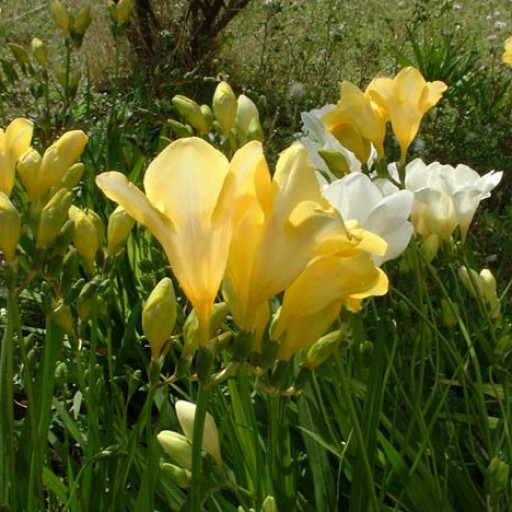
Known as the "Scent of Spring," Freesias are beloved worldwide for their intoxicating, citrus-sweet fragrance and elegant, funnel-shaped blooms. Native to South Africa, these graceful flowers are a staple in bridal bouquets and luxury perfumery, symbolizing trust, thoughtfulness, and innocence. They grow from small underground structures called corms and are famous for their unique "one-sided" flowering habit that makes them look like they are posing for a photograph.
🔍 How to Identify
- 🌸 The "Comb" Spike: The flowers grow in a neat row along a horizontal stem that bends at a sharp 90-degree angle, making the blooms face upward toward the sun.
- 🍃 Sword-Shaped Leaves: The foliage consists of long, narrow, and bright green blades that grow in a fan-like arrangement from the base of the plant.
- 🎺 Funnel Blooms: Each stem carries several delicate, tubular flowers that flare out at the mouth, appearing in a rainbow of shades including snowy white, vibrant yellow, and deep violet.
🏡 In Your Garden
- ☀️ Sun & Support: Freesias crave bright light to keep their stems strong. Without enough sun, the heavy flower spikes tend to become "floppy" and may require discrete staking or small hoops to stay upright.
- 💧 The Drainage Dance: Because they grow from corms, Freesias are highly susceptible to rot. They require a "gritty" or sandy soil mix that allows water to pass through quickly rather than sitting around the roots.
- 🌡️ Cool Beginnings: Unlike many tropical plants, Freesias actually need a period of cool night temperatures (around 50-55°F) to trigger their blooming cycle. If it stays too warm at night, the plant may only produce leaves and no flowers.
⚠️ Safety & Toxicity
- ✅ Pet & Child Friendly: Freesias are widely considered non-toxic to humans, dogs, and cats, making them a "worry-free" addition to a household or garden.
- 🧤 Sap Sensitivity: While they aren't poisonous, the sap from cut stems can occasionally cause mild skin irritation (contact dermatitis) in people with very sensitive skin. Wearing gloves when cutting them for vases is a good precaution.
✨ Fun Fact
👃 Color-Coded Scents: Not all Freesias smell the same! Generally, the white and yellow varieties carry the strongest, most traditional "freesia" scent—a peppery, spicy citrus. The blue and pink varieties often have a much lighter, more subtle floral aroma.

Detailed Care Instructions
| Lighting | Full Sun |
To grow Freesia plants, follow these steps:
- Choose the right location: Freesias thrive in full sun or light shade. Select a place that receives at least 6-8 hours of sunlight each day.
- Prepare the soil: Freesias prefer well-draining soil. Add compost or organic matter to improve the soil's fertility and drainage.
- Planting bulbs: Freesia bulbs should be planted in early spring or fall. Dig a hole about 2-3 inches deep and place the bulb with the pointed end facing up. Space the bulbs about 3-4 inches apart. Cover the bulb with soil, gently firming it down.
- Watering: After planting, water the bulbs thoroughly. Keep the soil evenly moist but not overly saturated. Reduce watering once the foliage dies back after blooming.
- Feeding: Apply a balanced fertilizer when new growth appears and again after flowering to promote healthy growth and blooms.
- Mulching: Apply a layer of organic mulch around the plants to help retain moisture, suppress weeds, and regulate soil temperature.
- Support: Freesias may require staking or support as they grow taller. Use plant stakes or a plant support system to keep the plants upright.
- Deadheading: Remove faded flowers regularly to encourage continuous blooming.
- Overwintering: In colder climates, where Freesias are not hardy, lift the bulbs before the first frost in fall. Clean the bulbs, remove any foliage, and store them in a cool, dry place until the next planting season.
- Pests and diseases: Keep an eye out for common pests like aphids and snails. Treat infestations promptly. Freesias may also be susceptible to fungal diseases like gray mold or root rot. Avoid over-watering and provide good air circulation around the plants to prevent these issues.
Remember to consult local gardening guides or enthusiasts for specific tips and recommendations based on your region's climate and growing conditions.

Place in a window with dappled sun or a spot in the middle of a room. Or directly in a window facing west or east.

1. Check the soil: Before watering, check the soil moisture level by inserting your finger or a moisture meter into the soil. Freesias prefer consistently moist soil, so if the top layer of soil feels dry, it's time to water.
2. Watering container plants: If your Freesia plant is in a container, water it from the top until water begins to come out of the drainage holes. Allow the water to drain completely before putting the plant back in its saucer.
3. Watering in-ground plants: If your Freesia plant is in the ground, use a watering can or hose to water the soil around the base of the plant. Water deeply, but avoid getting the leaves wet to prevent fungal diseases.
4. Watering frequency: Freesias typically need to be watered every 2-3 days, but this can vary depending on the temperature, humidity, and size of the pot or planting bed. It's important not to let the soil dry out completely, as this can cause the plant to wilt and stress.
5. Watch for signs of overwatering: Overwatering can be just as harmful as underwatering, so be mindful of the condition of your Freesia plant. Signs of overwatering include yellowing leaves, wilting, and root rot.
6. Adjust watering as needed: As the plant grows and the weather changes, you may need to adjust your watering schedule. Use your finger or a moisture meter to monitor the soil moisture and make adjustments as needed.
To fertilize this plant, apply a balanced fertilizer with a ratio of 10-10-10 or similar, every two weeks during the growing season. Water the plant before applying the fertilizer to avoid damaging the roots. Be sure to follow the package instructions for the amount of fertilizer to use and how to apply it. If the plant is grown in a pot, make sure the drainage holes are not blocked and that excess water can escape. Avoid fertilizing during the resting period of the plant.
The most suitable type of soil for Freesia plants is a well-draining, sandy soil that is rich in organic matter. The soil should have a slightly acidic to neutral pH level (between 6.0 and 7.0). It is important to avoid heavy, clay soils that can become waterlogged and lead to root rot. Freesias prefer soil that is moist but not saturated, so it is recommended to add compost or other organic matter to improve drainage and water retention. Additionally, Freesias benefit from a light fertilizer application every few weeks during the growing season.
To propagate this plant, you will need to carefully separate the corms (bulbs) into individual pieces. The corms should be removed from the soil and allowed to dry for a day or two before dividing. Be sure to select only healthy corms with no signs of damage or rot.
Using a clean and sharp knife, carefully divide the corms into smaller pieces, ensuring that each piece has at least one healthy shoot or bud. It is important to be gentle during this process to avoid damaging the corms or surrounding roots.
Once divided, replant the corms in well-draining soil, spacing them about 3-4 inches apart and covering them with about an inch of soil. Water the newly planted corms thoroughly but be careful not to overwater them as they can be susceptible to rot.
Place the pots or trays in a bright, sunny location, but avoid direct sunlight during the hottest part of the day. Keep the soil moist but not waterlogged, and you should start to see new growth within a few weeks.
Once the new freesia plants have established roots and are growing well, you can transplant them to individual pots or directly into your garden. With the right care and attention, your propagated freesia plants should produce beautiful flowers in the months to come.







