Plant Overview
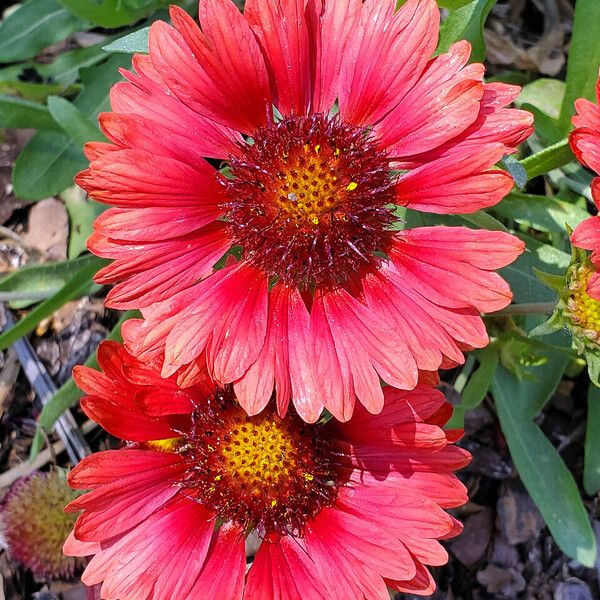
Meet the Maroon Gaillardia, a striking Texas native that swaps the typical bright yellow "firewheel" look of its cousins for a deep, velvety burgundy. Often called the Deep-red Blanketflower, this hardy annual is a specialist of the sandy prairies, painting the landscape in wine-colored hues during the peak of summer heat.
🔍 How to Identify
- 🌸 The Blooms: Unlike other Gaillardias, these flowers are usually a solid, deep maroon or brownish-red from the center to the tips, lacking the yellow margins common in the genus.
- 🍃 The Petals: The ray flowers (the outer "petals") are notably "reflexed," meaning they often droop or point slightly backward away from the central disk.
- 🌿 Folliage Texture: The leaves are narrow, grayish-green, and covered in fine, soft hairs that give the plant a slightly fuzzy, silver-tinged appearance.
🏡 In Your Garden
- ☀️ Sun & Sand: This plant is a "tough love" species; it thrives in poor, sandy soils and intense heat. It actually struggles in rich, heavy clay or over-fertilized garden beds, which can make it grow too tall and floppy.
- 🦋 Pollinator Magnet: Because of its deep color and accessible nectar, it is a favorite for native bees and butterflies. It is an excellent choice for a "low-water" or xeriscape garden where you want high-impact color without the water bill.
⚠️ Safety & Toxicity
- ✅ General Status: Generally considered non-toxic to humans and pets if ingested in small amounts.
- 🧪 Skin Sensitivity: Like many members of the Aster family, the sap contains compounds called sesquiterpene lactones. Some gardeners may experience mild skin irritation (contact dermatitis) after handling the foliage, so gloves are recommended for sensitive individuals.
✨ Fun Fact
The Maroon Gaillardia is a "Texas Endemic," meaning it is found growing naturally in the wild nowhere else on Earth except for a specific region of the Lone Star State!

Detailed Care Instructions
To grow Gaillardia Amblyodon, also known as blanket flower, follow these steps:
- Choose the right location: Gaillardia Amblyodon prefers full sun, so select a sunny spot in your garden with well-draining soil. Ensure there is enough space for the plant to spread out.
- Prepare the soil: Before planting, prepare the soil by loosening it with a garden fork or tiller. Add organic matter such as compost to improve drainage and fertility. Gaillardia Amblyodon can tolerate slightly sandy or clayey soil but needs good drainage.
- Planting: Dig a hole large enough to accommodate the plant's root ball. Gently remove the plant from its container, being careful not to damage the roots. Place the plant in the hole, ensuring the top of the root ball is level with the soil surface. Fill the hole with soil and firm it gently around the plant.
- Watering: Water the newly planted Gaillardia Amblyodon thoroughly to settle the soil and provide moisture for the roots. Afterward, water regularly, keeping the soil moist but not waterlogged. Once established, Gaillardia Amblyodon is drought tolerant and requires less frequent watering.
- Mulching: Apply a layer of organic mulch around the plant, such as wood chips or straw. Mulch helps retain moisture, suppresses weed growth, and insulates the roots from extreme temperatures.
- Fertilization: Gaillardia Amblyodon generally doesn't require heavy fertilization. However, you can apply a balanced, slow-release, granular fertilizer according to the package instructions in early spring to promote healthy growth.
- Maintenance: Remove spent flowers to encourage continuous blooming and prevent self-seeding. Trim back the plant after the last frost in spring to remove dead or damaged growth and promote bushier growth. You can divide the plant every 3 to 4 years in early spring to rejuvenate it.
- Pest and disease control: Gaillardia Amblyodon is generally resistant to pests and diseases. However, keep an eye out for common garden pests like aphids or spider mites. If necessary, treat the plant with insecticidal soap or neem oil.
By following these steps, you should be able to successfully grow Gaillardia Amblyodon plants in your garden. Enjoy their vibrant and long-lasting flowers!

Place in a bright room that is sun drenched almost all day. Or directly in a south-facing window.

To water this plant, ensure that the soil is dry to a depth of at least 1 inch before watering. Use a watering can or hose with a gentle spray to water the soil around the base of the plant, being careful to avoid getting water on the leaves or flowers. Water deeply, but avoid over-watering as this can lead to root rot. During periods of hot or dry weather, water more frequently to keep the soil consistently moist.
To fertilize the Gaillardia Amblyodon plant, you should use a balanced fertilizer with equal amounts of nitrogen, phosphorus, and potassium. Apply the fertilizer during the growing season every four to six weeks, taking care not to over-fertilize. Water the plant well before and after fertilizing to prevent root burn. Avoid getting fertilizer on the plant's leaves or flowers, as this could cause burning. Follow the manufacturer's instructions for application rates and frequency, and adjust as needed based on the plant's growth and appearance.
The ideal soil for Gaillardia Amblyodon plant is a well-draining soil with a pH level between 6.0 to 7.5. The soil should be rich in nutrients and organic matter to promote healthy growth and flowering. It is important to choose a soil that is not too heavy or compact, as this can lead to poor drainage and root rot. Loamy soils with good drainage are the best for this plant. Adding compost or other organic matter to the soil can improve its quality and provide necessary nutrients for the plant. The soil should be kept moist but not waterlogged, and regular fertilization may be necessary during the growing season.
To propagate this plant, first select a healthy plant that is not in bloom. Using a sharp and clean pair of scissors or pruning shears, take a cutting about 4-6 inches in length from the stem of the plant. Make sure the cutting has a few sets of leaves and no flowers or buds.
Next, remove the bottom leaves from the cutting, leaving only a few sets of leaves at the top. Dip the cut end of the cutting in rooting hormone powder, making sure the entire cut end is coated.
Prepare a pot with well-draining soil, and make a small hole in the center of the soil with a pencil or your finger. Gently insert the cutting into the hole, making sure the soil is firmly packed around the stem.
Water the cutting thoroughly and place the pot in a bright, but shaded area. Keep the soil moist, but not waterlogged, and in a few weeks, you should start to see the cutting developing roots. After a few more weeks, the cutting should be established enough to be transplanted to its permanent location.








