Plant Overview
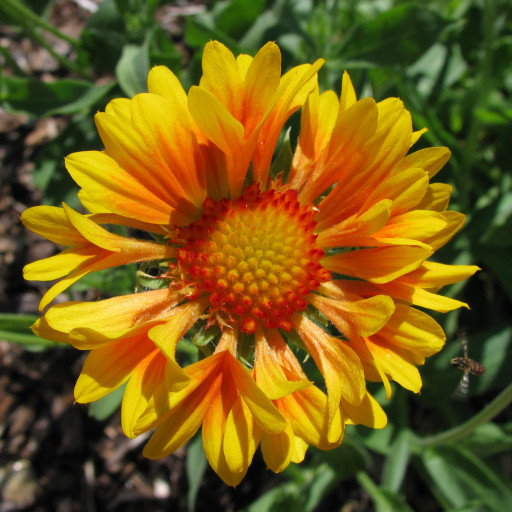
Known affectionately as the Blanket Flower, Gaillardia x grandiflora is the ultimate sun-worshiper of the prairie. This hybrid captures the fiery spirit of the American West, painting gardens in concentric rings of sunset reds, oranges, and yellows. Its common name stems from the way it blankets the ground in color, reminiscent of the vibrant patterns of traditional Native American textiles.
🔍 How to Identify
- 🌼 Petal Pattern: The iconic daisy-like blooms usually feature a dark red or maroon center, bleeding into bright yellow tips with "toothed" or fringed edges that look like they were cut with pinking shears.
- 🍃 Foliage Texture: Its leaves are soft, grayish-green, and covered in fine hairs. This fuzzy texture is a natural defense mechanism that helps the plant retain moisture during intense summer heatwaves.
- 🌱 Growth Habit: It forms a compact, bushy mound. While the flowers stand tall on sturdy stems, the base of the plant stays low to the ground, rarely exceeding two feet in height.
🏡 In Your Garden
- ☀️ The Sunnier, The Better: This plant is a "pioneer species" at heart. It thrives in poor, sandy, or rocky soil where other perennials might wither, provided it has full, unrelenting sun exposure.
- 🚿 Drainage Nuance: The most common cause of failure is "wet feet." Blanket Flowers hate heavy clay or soggy winter soil, which can cause the crown to rot. It is better to underwater this plant than to overwater it.
- 🦋 Pollinator Party: It is a high-traffic station for honeybees and butterflies. Because it blooms from early summer right through the first frost, it provides a critical long-term food source for local nectar-seekers.
⚠️ Safety & Toxicity
- ✋ Skin Sensitivity: While the plant is not considered poisonous, the sap and the tiny hairs on the leaves can cause mild contact dermatitis (an itchy rash) in gardeners with sensitive skin.
- 🐾 Pet Safety: It is generally classified as non-toxic to dogs, cats, and horses, making it a "worry-free" addition to a pet-friendly landscape.
✨ Fun Fact
- 🌊 The Blanket Flower is surprisingly tough—it is incredibly salt-tolerant! This makes it one of the few high-color ornamental flowers that can thrive in coastal gardens, standing up beautifully to salty ocean breezes and sandy soil.

Detailed Care Instructions
To grow Gaillardia X Grandiflora plants, also known as blanket flowers, follow these steps:
- Choose the right location: Gaillardia plants prefer a sunny spot that receives at least 6-8 hours of direct sunlight per day. They also tolerate partial shade, especially in hot climates.
- Prepare the soil: Ensure the soil is well-drained and moderately fertile. You can amend heavy clay soil with organic matter like compost or peat moss to improve drainage.
- Planting: Dig a hole large enough to accommodate the root ball of the plant. Place the Gaillardia plant in the hole, ensuring the top of the root ball is level with or slightly above the soil surface. Fill in the hole with soil and gently firm it around the plant.
- Watering: Water the newly planted Gaillardia thoroughly and then maintain regular watering until they establish. Once established, Gaillardia is relatively drought-tolerant, but occasional deep watering during dry spells is beneficial.
- Mulching: Apply a layer of organic mulch, such as wood chips or straw, around the base of the plant to help retain moisture, suppress weeds, and regulate soil temperature.
- Fertilizer: Gaillardias typically do not require excessive fertilization. However, you can apply a balanced slow-release fertilizer in spring according to the package instructions to promote healthy growth and flowering.
- Deadheading: To encourage continuous blooming, deadhead the spent flowers regularly by removing them just above the nearest leaf node or lateral bud. This will prevent seed formation and promote more blooms.
- Dividing: Every few years, it may be necessary to divide the Gaillardia plants to maintain their vigor. This process involves digging up the plant, dividing the root ball into smaller sections, and replanting the divisions in well-prepared soil.
- Pests and diseases: Gaillardias are generally resistant to most pests and diseases. However, occasional problems with aphids, caterpillars, or leaf spot may occur. Monitor the plants regularly and take appropriate measures if necessary, such as insecticidal soap for aphids or removing infected leaves for leaf spot.
By following these steps, you can successfully grow Gaillardia X Grandiflora plants in your garden, enjoying their beautiful blooms throughout the summer.

Place in a bright room that is sun drenched almost all day. Or directly in a south-facing window.

The best way to water this plant is to ensure that the soil is moist but not waterlogged. This can be achieved by watering deeply and allowing the water to soak into the soil rather than just wetting the surface. It is important to water the plant consistently, but not overwater it as this can lead to root rot. Depending on the climate and soil type, the frequency of watering may vary. It is generally recommended to avoid overwatering during periods of high humidity or rainfall. Additionally, it is important to water the plant in the morning or early evening to avoid evaporation during peak daytime temperatures.
- Begin fertilizing in early spring, once the plant has broken dormancy.
- Apply a balanced, all-purpose fertilizer to the soil around the plant, carefully following the instructions on the package.
- Water the plant immediately after fertilization to ensure that the nutrients are absorbed by the root system.
- Repeat fertilization every 4-6 weeks throughout the growing season, up until the first frost.
- Avoid over-fertilization, as this can lead to excessive growth and weakened plant structure.
- Consider using an organic fertilizer to promote healthy soil and minimize environmental impact.
The ideal soil for this plant should be well-draining and rich in organic matter. It should also have a slightly acidic to neutral pH level. It is recommended to mix compost or peat moss with the soil to improve its fertility. Additionally, the soil should be loose and aerated, allowing for proper root growth and drainage. Overly heavy or compacted soil can lead to root rot and other diseases. A sandy soil may also be suitable, as long as it contains enough organic matter to provide nutrients for the plant. Overall, the soil should be nutrient-rich, drain well, and be loose enough to allow for proper root growth.
To propagate this plant, take cuttings from the stem in the early morning when the plant is fresh. The cutting should be about 3 to 4 inches in length with at least three sets of leaves. Remove the lower leaves from the cutting and dip the cut end in rooting hormone. Plant the cutting in a rooting medium made of equal parts sand, peat moss, and perlite. Keep the cutting moist and in a warm, shaded area away from direct sunlight. After a few weeks, roots should begin to form. Once the cutting has a good root system, it can be transplanted into soil in a larger container or in the ground outdoors.
Common pests of the hybrid blanketflower include Spider mites, aphids. Make a habit of checking your hybrid blanketflower frequently for pests so that any infestations can be caught and managed early.








