Plant Overview
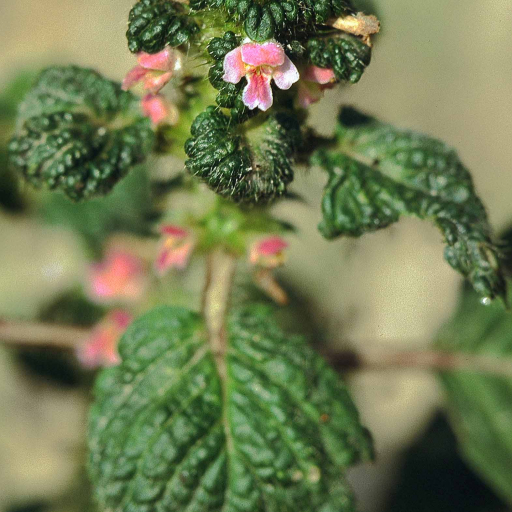
The Bifid Hemp-nettle, often called the "Split-lip Hemp-nettle," is a hardy annual that bridges the gap between a delicate wildflower and a persistent garden guest. While its name suggests a relation to the hemp plant due to its similar leaf shape, it is actually a member of the mint family (Lamiaceae). You’ll often find it dancing along the edges of woodlands or popping up in recently tilled garden soil, showing off its intricate, tiny orchid-like blooms.
🔍 How to Identify
- 👄 The "Bifid" Lip: The most defining feature is the lower lip of the flower, which has a distinct notch or "cleft" at the tip, looking like it has been slightly split.
- 📏 Square Stems: True to the mint family, the stems are square. They are notably swollen just above the nodes (where the leaves attach) and covered in stiff, downward-pointing hairs.
- 🍃 Nettle-like Leaves: The leaves are egg-shaped with pointed tips and coarsely toothed edges, strongly resembling stinging nettles, though they lack the painful sting.
- 🌸 Pale Flowers: The blossoms are usually a soft pink, lavender, or occasionally white, arranged in dense circular clusters around the upper stem.
🏡 In Your Garden
- 🌱 Disturbed Soil Specialist: This plant is a "pioneer species," meaning it is often the first to colonize areas where the soil has been turned over. If you’ve recently dug a new flower bed, don't be surprised to see this guest arrive uninvited.
- 🐝 Pollinator Magnet: While some gardeners treat it as a weed, bees and hoverflies absolutely adore it. Its specialized "landing pad" lower lip makes it a perfect refueling station for local long-tongued bees.
- 💧 Resilient Annual: It thrives in moist, nitrogen-rich soil but is incredibly adaptable. It completes its life cycle quickly, dropping hundreds of seeds to ensure its return next summer.
⚠️ Safety & Toxicity
- 🐾 Mild Caution: While not considered highly toxic, the Bifid Hemp-nettle is generally not edible. It contains certain compounds that can be irritating if ingested in large quantities by livestock.
- 🧤 Skin Irritation: The stiff hairs on the stem aren't "stinging" like a true nettle, but they can be quite prickly and may cause mild mechanical irritation to sensitive skin. It’s best to wear gloves if you are pulling them by the handful.
✨ Fun Fact
Despite its common name containing the word "Hemp," this plant contains absolutely no THC or fibers suitable for rope. It earned the name "Hemp-nettle" centuries ago simply because its leaf shape deceived early botanists into thinking it was a hybrid between a hemp plant and a stinging nettle!

Detailed Care Instructions
To grow Galeopsis bifida (Hemp-nettle) plant, you can follow these steps:
- Choose the ideal location: Select a spot that receives full sun to partial shade. The plant prefers well-draining soil that is rich in organic matter.
- Prepare the soil: Loosen the soil by digging a hole and mixing in compost or aged manure to improve its fertility. This will provide the plant with essential nutrients.
- Sow the seeds: Sow the seeds directly in the soil during late spring or early summer, as the plant is an annual and needs warm temperatures to germinate. Sprinkle the seeds lightly over the prepared soil and lightly press them into the soil.
- Maintain moisture: Keep the soil consistently moist but not waterlogged during the germination process. Regularly water the plants until they become established.
- Thin the seedlings: Once the seedlings have grown to a few inches tall, you may need to thin them out, providing adequate space for each plant to grow and thrive. This can be done by removing weaker or overcrowded plants, leaving a spacing of about 12 inches between each plant.
- Mulch the soil: Apply a layer of organic mulch around the plants to help retain moisture, suppress weed growth, and protect the roots during extreme temperatures.
- Watering and fertilizing: Water the plants regularly, especially during dry spells, to keep the soil evenly moist. Applying a balanced organic fertilizer every few weeks can promote healthy growth.
- Prune and deadhead: If necessary, you can prune the plants to shape and remove any dead, damaged, or diseased parts. Deadheading (removing faded flowers) can encourage continuous blooming.
- Pest and disease control: Monitor for common pests like aphids or spider mites. If necessary, use organic pest control methods or insecticidal soap to manage them. Keep an eye out for any signs of disease and take appropriate action if needed.
- Harvesting: Galeopsis bifida typically produces small purple flowers during the summer. You can harvest the flowers for ornamental purposes or allow them to produce seeds for the following year.
By following these steps, you should be able to successfully grow Galeopsis bifida plants in your garden.

Place in a bright room that is sun drenched almost all day. Or directly in a south-facing window.

To water this plant, you should first check the soil moisture level before watering. Insert your finger into the soil about one inch deep and if it feels dry, then it's time to water. Use a watering can or a hose with a soft spray to water the plant gently and evenly until the water starts to drain out of the bottom of the pot or container. Be careful not to overwater the plant as it can lead to root rot and other issues. It's recommended to water this plant once a week or when the soil is dry to the touch. Additionally, you can mist the leaves of the plant occasionally to increase humidity and prevent it from drying out.
To fertilize this plant, apply a balanced fertilizer with equal ratios of nitrogen, phosphorus, and potassium. Fertilize the plant once every two weeks during its active growing season, which typically occurs in the spring and summer. Be careful not to over-fertilize, as this can lead to root burn and other problems. Alternatively, you can use organic fertilizers, such as compost or manure, to provide nutrients to the soil around the plant. Apply the organic fertilizer at the beginning of the growing season and once again before the plant enters dormancy in the fall.
Galeopsis bifida is a flowering plant that requires well-draining soil with a pH level between 6.5 and 7.5. The soil should also be rich in nutrients and organic matter. A mix of equal parts loam, compost, and sand is ideal for planting this species. It is important to make sure the soil is not too compacted as it can result in poor drainage and root rot. Additionally, this plant prefers moist soil, so it is important to keep the soil evenly moist during the growing season. Fertilizer can be added in the spring and summer months to promote healthy growth and flowering.
- Start by choosing a healthy, mature plant for propagation. Look for a plant that is free from any diseases or pests and has a robust root system.
- Take a stem cutting from the chosen plant using a sharp pair of scissors or garden shears. The cutting should be about 5-6 inches long and have 2-3 sets of leaves.
- Remove the lower set of leaves from the stem cutting, leaving only the top set of leaves intact.
- Dip the end of the stem cutting into rooting hormone powder to promote root growth.
- Place the stem cutting into a pot filled with moist potting soil, making sure the leaves are above the soil line.
- Cover the pot with a clear plastic bag to create a greenhouse effect and keep the cutting moist.
- Place the pot in a warm, bright area, but out of direct sunlight.
- Check the cutting regularly to make sure the soil remains moist and mist the leaves with water if they begin to wilt.
- After a few weeks, the cutting should have developed roots, and you can remove the plastic bag.
- Once the plant has established a healthy root system, it can be transplanted into a larger pot or outdoors in a garden bed.








