Plant Overview
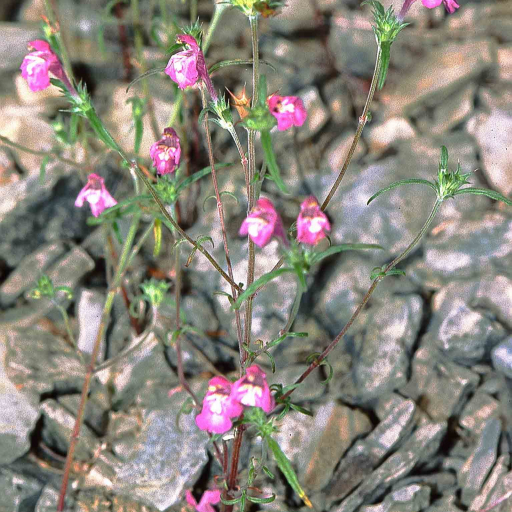
The Red Hemp-nettle is a charming but resilient member of the mint family that often surprises hikers and gardeners with its vibrant, snapdragon-like blooms. Despite its intimidating name, this plant is a "gentle ghost" of the fields—it lacks the painful sting of a true nettle and is increasingly rare in many parts of Europe. Historically, it was a common sight in stony cornfields, where its bright pink petals provided a splash of color against the golden grain.
🔍 How to Identify
- 🌸 The Flowers: Look for tubular, two-lipped flowers that are typically a deep rose-pink or reddish-purple. The lower lip often features distinct white or yellow markings and a slightly notched edge, acting as a landing pad for bumblebees.
- 🌿 The Foliage: Unlike the broad leaves of its cousins, this species has narrow, lance-shaped leaves with small teeth along the edges. They grow in opposite pairs along the stem and are covered in soft, fine hairs.
- 📏 The Stem: True to the Lamiaceae family, the stems are distinctly square in cross-section. They are usually upright and can have a reddish tint, with slight swellings just above where the leaves attach (the nodes).
🏡 In Your Garden
- 🌱 The Soil Preference: This plant is a specialist of "disturbed" ground. It thrives in well-drained, nutrient-poor, or stony soils, particularly those rich in lime or chalk. If you find it growing, it’s a sign that your soil has excellent drainage.
- 🐝 Pollinator Magnet: Because of the shape of its flowers, it is a favorite for long-tongued bees. It doesn't compete well with aggressive garden perennials, so it prefers open patches of soil where it can self-seed without being shaded out.
⚠️ Safety & Toxicity
- ✅ Friendly Status: The Red Hemp-nettle is generally considered non-toxic and safe for humans and pets.
- 🚫 A Case of Mistaken Identity: While it looks similar to the Stinging Nettle (Urtica dioica) before it blooms, it does not possess stinging hairs. However, as with any wild plant, it is best to avoid ingestion unless you are an expert, as it can be confused with other more potent members of the mint family.
✨ Fun Fact
The species name ladanum refers to a resin called "labdanum" produced by certain shrubs. While the Red Hemp-nettle doesn't actually produce this resin, it was likely named so because of the faint, balsamic scent emitted by its glandular hairs when brushed against!

Detailed Care Instructions
To grow Galeopsis ladanum, also known as yellow hemp-nettle, follow these steps:
- Select a suitable location: Choose a spot in your garden that receives partial to full sun and has well-draining soil. The plant can tolerate a wide range of soil types but prefers moist, fertile soil.
- Prepare the soil: Before planting, prepare the soil by loosening it with a garden fork and adding compost or organic matter to improve drainage and fertility.
- Planting: Sow the seeds directly into the prepared soil in early spring. Scatter the seeds on the soil surface and lightly press them into the soil. Water gently to moisten the soil. You can also start seeds indoors in trays and transplant them once they have grown a few inches tall.
- Watering: Keep the soil consistently moist but not waterlogged. Water the plants regularly, especially during dry periods. Avoid overwatering as it can cause root rot.
- Maintenance: Mulch around the plants to help retain moisture and suppress weed growth. Remove any weeds that compete with the plant for nutrients and water. Fertilize the plants with a balanced fertilizer in the spring to promote healthy growth.
- Pruning: Trim back the plant after flowering to encourage bushier growth and prevent it from becoming leggy.
- Pests and diseases: Keep an eye out for aphids, spider mites, and powdery mildew, which can affect Galeopsis ladanum. Treat any infestations promptly with insecticidal soap or neem oil.
By following these steps, you can successfully grow Galeopsis ladanum in your garden and enjoy its beautiful yellow flowers.

Place in a bright room that is sun drenched almost all day. Or directly in a south-facing window.
1. Find the right location: Galeopsis Ladanum plants require a well-draining soil and a sunny to partially shady location. Ensure that the plant is not exposed to direct sunlight for extended periods of time.
2. Check soil moisture: Before watering, always check the soil moisture level by placing your finger about an inch into the soil. If it feels dry, it's time to water the plant.
3. Water deeply: When watering, ensure that the water reaches the plant's roots by using a watering can, hosepipe, or drip irrigation. Water deeply until the soil is moist but not waterlogged.
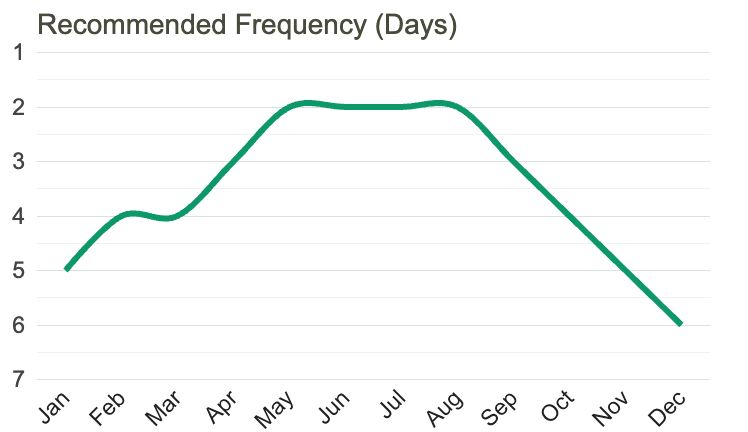
4. Don't water too often: Overwatering can cause root rot, so make sure to let the soil dry out before watering again. Typically, you should water Galeopsis Ladanum plants once a week or whenever the soil becomes dry.
5. Water in the morning: Watering in the morning allows the plant to dry off before evening, which helps prevent fungal diseases.
6. Mulch the soil: Adding a layer of mulch around the plant can help retain moisture in the soil and prevent evaporation.
7. Monitor for signs of underwatering or overwatering: Look out for signs such as wilting, yellowing leaves, or moldy soil. These can indicate that you're either not watering enough or overwatering the plant.
To fertilize the Galeopsis Ladanum plant, it is recommended to use a balanced fertilizer with equal parts nitrogen, phosphorus, and potassium. Feed the plant once a month during the growing season, from spring to early fall. Dilute the fertilizer according to the manufacturer's instructions and water the plant thoroughly after applying the fertilizer to help it absorb the nutrients. Avoid overfertilizing, as this can lead to nutrient imbalances and damage the plant.
Galeopsis Ladanum is a plant that prefers a nutrient-rich soil that is well-draining and moist. It grows best in a soil that is slightly acidic, with a pH level between 6.0 and 7.0, and has a good amount of organic matter. A soil that is too compacted or clay-based will not provide adequate drainage and can lead to root rot. Additionally, a soil that is too sandy may not retain enough moisture and nutrients to support the plant's growth. Therefore, it is recommended to use a potting mix that is formulated specifically for herbaceous plants, or to amend the soil with compost or other organic matter to improve its structure and nutrient content.
Galeopsis Ladanum plants can be propagated through seed or division. To propagate through seeds, collect mature seeds from the plant and sow them thinly in trays of seed compost. Keep the trays in a warm, sunny location and keep the soil moist. Germination should occur within a few weeks. Once the seedlings have developed a few sets of true leaves, they can be transplanted into individual pots.
To propagate through division, carefully dig up a mature plant in the early spring or early fall. Using a sharp, sterilized knife or spade, divide the plant into smaller sections, making sure each new section has roots attached. Replant the divided sections in a new location or container filled with well-draining soil. Keep the soil moist and provide the new plants with adequate sunlight and protection from harsh weather conditions until they become established.








