Plant Overview
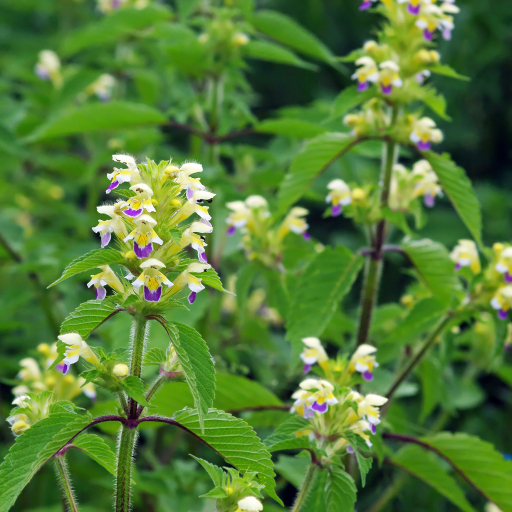
Often called the Large-flowered Hemp-nettle or sometimes the "Bee Nettle," this striking wildflower looks like a misplaced garden treasure found in the wild. Despite its name, it isn't a true nettle and won't sting you; instead, it belongs to the mint family, boasting architectural square stems and complex, colorful blooms. It is a favorite of bumblebees, who treat the lower purple lip of the flower like a landing strip at a busy airport.
🔍 How to Identify
- 🎨 The "Fried Egg" Bloom: The most distinct feature is the bi-colored flower—bright sulfur-yellow petals with a bold, violet-purple spot on the central lower lip.
- 🎋 Swollen Nodes: The square stems are notably "swollen" or thicker just below the points where the leaves branch off, and they are covered in stiff, downward-pointing hairs.
- 🍃 Toothed Foliage: Its leaves are oval, pointed, and have deeply notched, saw-like edges, arranged in opposite pairs along the stem.
🏡 In Your Garden
- 🌱 Nitrogen Lover: If you find this plant popping up, it’s a sign that your soil is rich in nitrogen and nutrients. It thrives in disturbed ground, such as the edges of vegetable patches or newly tilled flower beds.
- 🐝 Pollinator Magnet: While some gardeners consider it a weed because it is an annual that seeds prolifically, it is one of the best plants for supporting long-tongued bumblebees, who are the only ones strong enough to push into the flower.
⚠️ Safety & Toxicity
- ✅ Generally Safe: Galeopsis speciosa is not known to be toxic to humans or common household pets.
- 🌵 Mechanical Irritation: Unlike its namesake the Stinging Nettle, it lacks venomous hairs. However, the stems are quite bristly and "prickly," which can feel slightly abrasive to sensitive skin if handled roughly.
✨ Fun Fact
The name "Hemp-nettle" is a botanical case of mistaken identity! The plant earned this name because its leaf shape closely resembles that of the Hemp plant (Cannabis), while its growth habit mimics a Nettle, even though it is biologically related to neither.

Detailed Care Instructions
To grow Galeopsis Speciosa, also known as large-flowered hemp-nettle, follow these steps:
- Choose a suitable location: Galeopsis Speciosa prefers a sunny or partially shaded spot with well-draining soil. Make sure the area has enough space for the plant to grow to its full height, which can reach up to 3 feet (1 meter).
- Prepare the soil: Before planting, prepare the soil by removing any weeds, rocks, or debris. Loosen the soil with a garden fork or tiller to ensure good drainage. You can also add organic matter like compost or well-rotted manure to improve the soil's fertility.
- Sow the seeds: Sow the seeds directly into the garden in early spring, after the danger of frost has passed. Alternatively, you can start the seeds indoors 6-8 weeks before the last frost date and transplant the seedlings outdoors once they are strong enough.
- Planting depth and spacing: Scatter the seeds over the prepared soil, and lightly press them into the ground. The seeds should be planted about 1/4 inch (0.6 cm) deep and spaced at least 6 inches (15 cm) apart. If starting indoors, plant the seeds in small pots or seed trays and transplant them when they have developed a few sets of true leaves.
- Watering and care: Keep the soil evenly moist but not waterlogged until the seeds germinate. Once the plants are established, they can tolerate short periods of drought. Water deeply whenever the top inch (2.5 cm) of soil feels dry.
- Fertilizing: While Galeopsis Speciosa is not a heavy feeder, you can apply a balanced slow-release fertilizer in the spring to provide nutrients for healthy growth. Follow the instructions on the fertilizer packaging for the recommended application rate.
- Mulching: Apply a layer of organic mulch, such as wood chips or straw, around the plants to retain moisture, suppress weeds, and regulate soil temperature.
- Pruning: Although Galeopsis Speciosa doesn't require regular pruning, you can trim back any dead or leggy growth to maintain a neat appearance. Cut the plant back to a couple of inches above the ground in late fall or early spring.
- Pest and disease control: This plant is generally pest and disease resistant. However, keep an eye out for common garden pests like aphids or slugs, and treat them with appropriate organic insecticides or repellents if necessary.
- Propagation: To propagate Galeopsis Speciosa, collect mature seeds from the plants and store them in a cool, dry place until the following spring. Alternatively, you can allow the plant to self-seed naturally.
By following these steps, you should be able to grow a healthy and vibrant Galeopsis Speciosa plant in your garden.

Place in a bright room that is sun drenched almost all day. Or directly in a south-facing window.
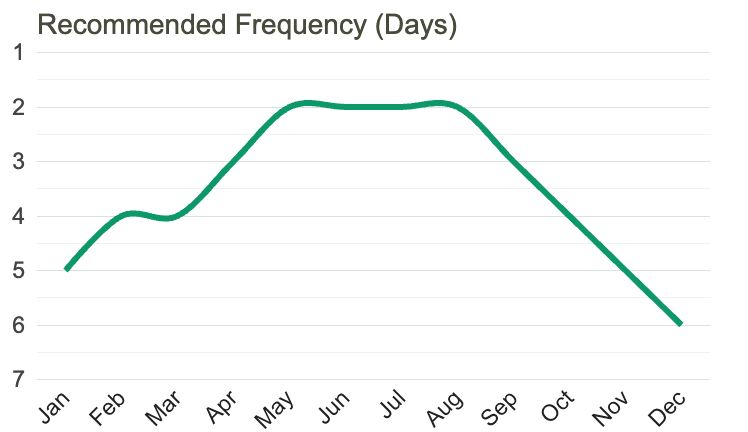
To properly water this plant, first ensure that the soil is completely dry before watering again. It is important to not overwater as this can lead to root rot. When watering, aim to water the soil directly instead of getting the leaves and flowers wet. Use room temperature water to avoid shocking the roots. Consider checking the plant's water needs frequently to ensure it stays healthy and hydrated.
Fertilize the plant once every two months during the growing season with a balanced, water-soluble fertilizer. Use a half-strength solution and apply it to the soil around the base of the plant. Water the plant thoroughly after fertilizing. Avoid fertilizing during the winter dormancy period.
Galeopsis speciosa, a plant known for its vibrant appearance, thrives best in specific soil conditions. Here are the details about the type of soil you should use:
- Type of Soil:
- Loamy Soil: Ideally, a well-drained loamy soil is recommended. Loamy soil typically has a balance of sand, silt, and clay, which provides good aeration, drainage, and nutrient availability.
- Sandy Soil: This plant can also grow well in sandy soils, provided they are kept moist. Sandy soils offer good drainage but tend to dry out quickly.
- Loamy Soil: Ideally, a well-drained loamy soil is recommended. Loamy soil typically has a balance of sand, silt, and clay, which provides good aeration, drainage, and nutrient availability.
- Soil pH:
- Neutral to Slightly Acidic: The soil pH should be neutral to slightly acidic, ranging from 6.0 to 7.0. This pH range ensures optimal nutrient uptake and growth conditions.
- Neutral to Slightly Acidic: The soil pH should be neutral to slightly acidic, ranging from 6.0 to 7.0. This pH range ensures optimal nutrient uptake and growth conditions.
- Organic Matter:
- Rich in Organic Material: Incorporating organic matter such as compost or peat moss into the soil can greatly enhance its fertility and moisture-retention capabilities. Organic matter improves the soil structure and provides essential nutrients.
- Rich in Organic Material: Incorporating organic matter such as compost or peat moss into the soil can greatly enhance its fertility and moisture-retention capabilities. Organic matter improves the soil structure and provides essential nutrients.
- Moisture:
- Consistent Moisture: Ensure the soil is kept consistently moist but not waterlogged. Overly saturated soils can lead to root rot, while overly dry conditions can stress the plant.
- Consistent Moisture: Ensure the soil is kept consistently moist but not waterlogged. Overly saturated soils can lead to root rot, while overly dry conditions can stress the plant.
- Drainage:
- Good Drainage: Proper drainage is crucial for preventing water from stagnating around the plant roots. If the soil tends to retain too much water, consider adding sand or perlite to improve its drainage properties.
- Good Drainage: Proper drainage is crucial for preventing water from stagnating around the plant roots. If the soil tends to retain too much water, consider adding sand or perlite to improve its drainage properties.
- Nutrient-Rich:
- Fertile Soil: A moderate to high level of soil fertility is beneficial. You may apply a balanced, slow-release fertilizer during the growing season to support robust growth and flowering.
By paying attention to these soil preferences, you can help ensure the healthy growth and vitality of Galeopsis speciosa in your garden.
- Fertile Soil: A moderate to high level of soil fertility is beneficial. You may apply a balanced, slow-release fertilizer during the growing season to support robust growth and flowering.
To propagate this plant, one can take stem cuttings in the spring or early summer when the plant is actively growing. Select a healthy stem and cut a 4-6 inch section. Remove any leaves from the lower half of the stem and dip the cut end in rooting hormone powder. Plant the cutting in well-draining soil and keep it consistently moist until roots have formed. It's also possible to propagate the plant via seed, which should be sown in the fall or early spring and lightly covered with soil. Keep the soil moist and the seedlings should emerge in 1-3 weeks. Transplant the seedlings to their permanent location when they are large enough to handle.








