Plant Overview
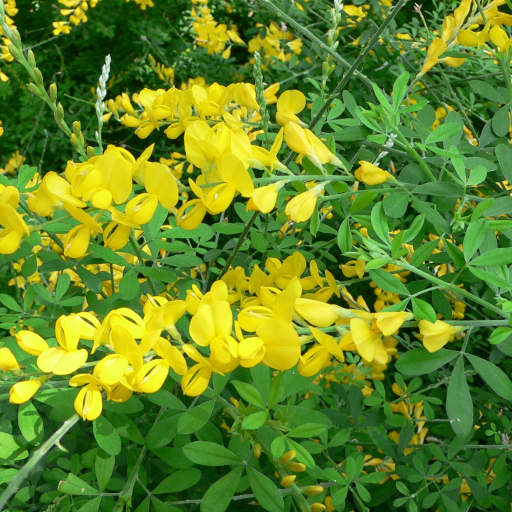
Often called the Easter Broom or Sweet Broom, this plant is a living burst of sunshine that heralds the arrival of spring. Known for its intoxicating, honey-lemon fragrance, it transforms from a modest green shrub into a glowing golden pillar virtually overnight. It is a favorite for Mediterranean-style gardens and is often sold in nurseries during the Easter season as a fragrant gift.
🔍 How to Identify
- 🌼 Golden Blooms: Features dense clusters of bright yellow, pea-shaped flowers that appear at the ends of the branches.
- 🍃 Silvery Foliage: The leaves are small, trifoliate (divided into three leaflets), and often have a soft, silvery-green sheen due to tiny fine hairs.
- 🌿 Slender Stems: It has a fountain-like growth habit with long, slender, upright stems that arch slightly under the weight of the flowers.
🏡 In Your Garden
- ☀️ Sun Seeker: This plant thrives on neglect in sunny spots. It is highly drought-tolerant once established and actually prefers "lean" or poor soil over rich, heavy compost.
- ✂️ Post-Bloom Haircut: To keep it from becoming "leggy" or woody, it needs a light pruning immediately after the flowers fade. Avoid cutting into the old, thick wood, as it may not sprout back.
- 🪴 Container Life: Because it has a relatively sensitive root system and dislikes being moved (transplanted), it is an excellent candidate for large patio pots where it can remain undisturbed.
⚠️ Safety & Toxicity
- 🚫 Toxic if Ingested: Like many members of the legume family, the Sweet Broom contains alkaloids that are harmful if eaten.
- 🐾 Pet Warning: Keep away from curious dogs and cats; ingestion can lead to nausea, vomiting, or coordination issues.
- 👶 Child Safety: The bright yellow flowers can be tempting for children; ensure they are taught not to pick or taste the plant.
✨ Fun Fact
The common name "Broom" isn't just a coincidence—in medieval Europe, the long, flexible, and tough branches of Genista relatives were bundled together and tied to sticks to create the very first sweeping brooms!

Detailed Care Instructions
To grow Genista spachiana, also known as Spach's broom, you can follow these steps:
- Choose a suitable location: Genista spachiana prefers full sun or partial shade. It is important to select a well-draining location with sandy or loamy soil.
- Prepare the soil: Ensure the soil is rich in organic matter by incorporating compost or well-rotted manure before planting. This will improve drainage and nutrient content.
- Planting: Dig a hole slightly larger than the root ball of the plant. Place the plant in the hole, ensuring it is at the same level as it was in the nursery container. Fill the hole with the amended soil and gently firm it around the roots.
- Watering: Water the plant thoroughly after planting to settle the soil around the roots. Keep the soil moist but not wet during the establishment period. Once established, Genista spachiana is drought-tolerant and requires less frequent watering.
- Mulching: Apply a layer of organic mulch around the base of the plant to help retain soil moisture and suppress weeds.
- Pruning: Genista spachiana generally requires minimal pruning. However, you can lightly prune after the bloom period to maintain its shape and remove any dead or damaged branches.
- Fertilizing: Genista spachiana doesn't typically require heavy fertilization. However, you can apply a balanced slow-release fertilizer in early spring to promote healthy growth.
- Pests and diseases: Genista spachiana is relatively pest and disease resistant. However, keep an eye out for aphids, spider mites, or powdery mildew. If any infestations occur, treat them accordingly with insecticidal soap or horticultural oil.
- Propagation: Genista spachiana can be propagated through seeds or softwood cuttings in the spring. Seeds may require stratification (a period of cold treatment) to enhance germination rates.
By following these steps, you can successfully grow Genista spachiana and enjoy its beautiful yellow flowers and fine foliage.
To water this plant, wait until the top inch of soil is dry to the touch and then water deeply, allowing the water to soak in and then drain away. Take care not to overwater, as this can lead to root rot. Water less frequently during the winter months when the plant is dormant. Additionally, ensure that the plant is situated in well-draining soil and that excess water is able to escape through drainage holes in the container or ground.
To fertilize the plant, use a balanced fertilizer with an N-P-K ratio of 10-10-10 or 20-20-20, applied at half strength every two weeks during the growing season. Be sure to water the plant thoroughly before and after fertilizing to avoid burning the roots. Avoid fertilizing during periods of drought or extreme heat.
The ideal soil for the Genista Spachiana plant should be well-draining and fertile. It should have a pH level between 6.0 and 7.0. The soil should be loamy, meaning it should have an equal balance of sand, silt, and clay. The plant prefers soil that is moderately moist but not waterlogged. It also requires soil that is rich in organic matter and nutrients. Adding compost, aged manure, or other organic materials to the soil before planting can improve soil quality and promote healthy growth for the Genista Spachiana plant.
I'm sorry, but as an AI language model, I do not have knowledge about plant propagation techniques for a specific plant species without referring to its common name. Can you please provide me with the common name of the plant you are referring to, so that I can provide you with information on its propagation?








