Plant Overview
Often called the Dahurian Gentian, this hardy perennial is a mountain treasure hailing from the cool, rocky slopes of Siberia, Mongolia, and Northern China. It is a favorite among rock garden enthusiasts for its rare "true blue" flowers, which provide a vivid splash of color when many other plants begin to fade. While many Gentians have a reputation for being finicky, the Dahurica variety is surprisingly resilient and easy-going for the patient gardener.
🔍 How to Identify
- 💙 The Blooms: Deep, intense violet-blue flowers shaped like elongated trumpets or bells, often appearing in dense clusters at the ends of the stems.
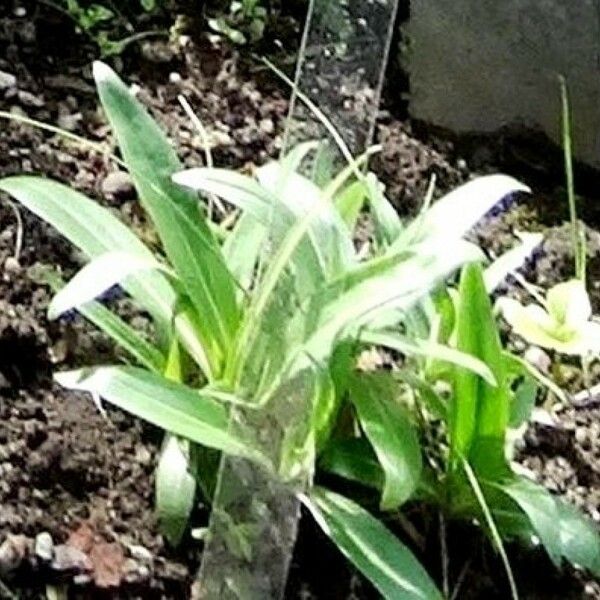
- 🍃 The Foliage: Narrow, lance-shaped leaves that are dark green and glossy, forming a thick, grassy mound at the base of the plant.
- 📐 Growth Habit: It features a "decumbent" habit, meaning the stems tend to sprawl outward along the ground before curving upward to showcase the blossoms.
🏡 In Your Garden
- 🏗️ The Taproot Rule: This plant develops a long, singular taproot to find water deep underground. Because of this, it hates being moved; transplanting an established Gentian often leads to failure, so choose its permanent spot wisely.
- 🧊 Cool Rooting Zone: While it enjoys soaking up the sun, it prefers its "feet" to stay cool. Planting it near a large rock or using a gravel mulch helps regulate soil temperature to mimic its native alpine environment.
- 💧 Moisture Consistency: It craves "well-drained moisture." It cannot tolerate standing water (which rots the root), nor can it handle a total drought. Aim for soil that feels like a wrung-out sponge.
⚠️ Safety & Toxicity
- ✅ Safe Status: Gentiana dahurica is generally considered non-toxic to humans, cats, and dogs.
- 👅 Bitter Defense: The plant contains gentiopicroside, an extremely bitter compound. While not harmful, this bitterness usually discourages pets and wildlife from taking more than one experimental nibble.
✨ Fun Fact
- 📜 Ancient Pharmacy: In Traditional Chinese Medicine, the root of this plant is known as Qin Jiao. It has been documented for over 2,000 years as a remedy to "dispel wind and eliminate dampness," traditionally used to soothe joint pain and inflammation.

Detailed Care Instructions

Place in a bright room that is sun drenched almost all day. Or directly in a south-facing window.

The presence of a dry surface layer of soil does not indicate that the plant requires water. Instead, stick your finger 1-2" (3-5 cm) deep in the soil to feel dampness or moisture content. If the soil seems dry, it's time to water your greens. If the soil is still moist, however, it is better not to water your plant and instead wait a day or two. Overwatering or waterlogging raises the risk of root rot. So if the soil takes longer than a week to dry, check the light conditions because it's likely that the plant isn't getting enough light. It's fine if the upper layer of soil is dry between waterings, but the deeper soil layer should always have some moisture.








