Plant Overview
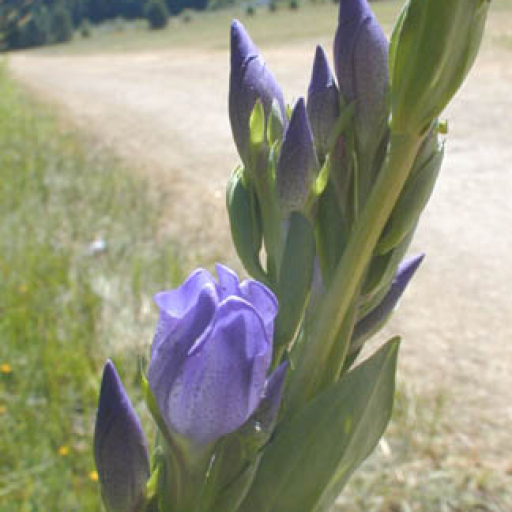
Often called the King’s Scepter Gentian or Bog Gentian, this plant stands like a royal staff in the soggy meadows and coastal marshes of the Pacific Northwest. Its deep, ink-blue blossoms are a stunning sight for hikers wandering through subalpine wetlands. In the wild, it acts as a vibrant marker of pristine, damp ecosystems, blooming late in the summer when other flowers have begun to fade.
🔍 How to Identify
- 🌸 The "Scepter" Bloom: Large, tubular, bell-shaped flowers that grow in clusters at the top of the stem. They are usually a rich cobalt blue to violet, often decorated with green or white speckles inside the throat.
- 🍃 Sleek Foliage: Smooth, egg-shaped leaves that grow in pairs directly opposite each other along the stem, providing a clean, architectural look.
- 📏 Stature: It grows strictly upright, reaching between 1 to 3 feet in height, looking very much like a leafy wand or scepter emerging from the grass.
🏡 In Your Garden
- 💧 The "Wet Feet" Rule: This is not a plant for a dry rockery. It thrives in saturated, boggy soil. It is the perfect candidate for the edge of a pond or a dedicated bog garden where the soil remains consistently moist.
- 🌱 Acidity is Key: King’s Scepter Gentian prefers acidic, peaty soils. If your garden soil is naturally alkaline, you may need to amend it significantly or grow it in a specialized container to keep it happy.
- ☀️ Sun vs. Heat: While it loves full sun in its native cool, coastal climates, it cannot handle "dry heat." In warmer regions, it requires afternoon shade and high humidity to prevent the leaves from scorching.
⚠️ Safety & Toxicity
- ✅ General Status: Gentiana sceptrum is considered non-toxic to humans, cats, and dogs.
- 👅 Bitter Defense: Like most gentians, the plant contains extremely bitter compounds. While not harmful, these compounds make the plant very unpalatable, which luckily means deer and rabbits usually leave it alone.
✨ Fun Fact
The genus name Gentiana honors King Gentius of ancient Illyria. Legend has it that he was the first to discover the medicinal properties of gentian roots, using them to create a tonic to treat a "plague" or fever that was ravaging his army in 180 BC.

Detailed Care Instructions
Gentiana Sceptrum, also known as the closed gentian, is a hardy perennial plant that is native to North America. Here are some tips on how to grow Gentiana Sceptrum successfully:
- Light: Gentiana Sceptrum prefers full sun to partial shade. Choose a planting location that receives at least 6 hours of sunlight a day.
- Soil: The soil should be well-drained, with a pH level between 6.0 and 7.5. You can amend the soil with compost or peat moss to improve drainage and fertility.
- Water: Water the plant regularly, keeping the soil consistently moist but not waterlogged. Avoid overwatering as this can lead to root rot.
- Temperature: Gentiana Sceptrum is cold-hardy and can tolerate temperatures down to -40°F (-40°C). Plant it in a location where it will not be exposed to extreme heat.
- Maintenance: Fertilize the plant with a balanced fertilizer in the spring and prune back any dead or damaged foliage. Mulch around the plant to help retain moisture and suppress weeds.
- Propagation: Gentiana Sceptrum can be propagated from seeds or by dividing mature plants in the spring or fall.
- Pests and diseases: Keep an eye out for pests such as aphids and slugs, and treat them promptly with insecticidal soap or other organic pest control methods. Make sure to plant the gentian in a location with good air circulation to prevent fungal diseases.
By following these tips, you can successfully grow Gentiana Sceptrum in your garden and enjoy its beautiful blue flowers in late summer and early fall.

Place in a bright room that is sun drenched almost all day. Or directly in a south-facing window.

Gentiana Sceptrum plants should be watered consistently to keep the soil evenly moist but not waterlogged. This can be achieved by watering the plant thoroughly, allowing excess water to drain out of the bottom of the pot. It is important to avoid letting the soil dry out completely between waterings, as this can stress the plant and cause wilting. Additionally, it is recommended to water the plant at the base and avoid getting the foliage wet, as this can increase the risk of disease. During the growing season, which is typically in the spring and summer months, the plant may require more frequent watering. In contrast, during the dormant season in the fall and winter, waterings should be reduced. It is important to monitor the plant closely and adjust the watering schedule as needed based on the plant's specific requirements and environmental conditions.
To fertilize Gentiana Sceptrum, use a balanced, water-soluble fertilizer with equal parts nitrogen, phosphorus, and potassium. Fertilize the plant in early spring as new growth appears, and then again in midsummer. Avoid over-fertilizing, as this can lead to excessive foliage growth at the expense of flowering. Follow the manufacturer's instructions for application rates, and water the plant after fertilizing to help the nutrients penetrate the soil.
Gentiana Sceptrum plants prefer a well-draining soil mix. A good option is a blend of peat moss, perlite, and sand to create a lightweight and airy growing medium that allows for proper drainage. This type of soil mix will help prevent waterlogged conditions that can lead to root rot. Additionally, adding some organic matter, such as compost, can provide essential nutrients for the plant to thrive. Overall, the goal is to provide a soil mix that is moisture-retentive yet allows excess water to drain quickly to promote healthy root growth and overall plant health.
There are a few different methods for propagating Gentiana Sceptrum plants. One common method is to take stem cuttings from a mature plant. To do this, take a cutting from a healthy stem using a sharp, clean knife or scissors. Make sure that the cutting is at least a few inches long and includes several nodes, which are the points on the stem where leaves emerge.
Next, remove the lower leaves from the cutting and dip the cut end in rooting hormone to help stimulate root growth. Plant the cutting in a small pot filled with a well-draining potting mix, and water it thoroughly. Place the pot in a warm, bright location, but out of direct sunlight.
Another method for propagating Gentiana Sceptrum plants is through division. This is typically done in the spring or fall when the plant is not actively growing. Carefully dig up the plant and gently divide the root ball into smaller sections, making sure that each section has plenty of roots attached. Replant the divisions in pots or directly in the garden, and water them well.
Regardless of the propagation method chosen, it's important to keep the new plants consistently moist but not waterlogged, as this can cause root rot. Once the new plants have established roots and are showing new growth, they can be transplanted into larger containers or into the garden.








