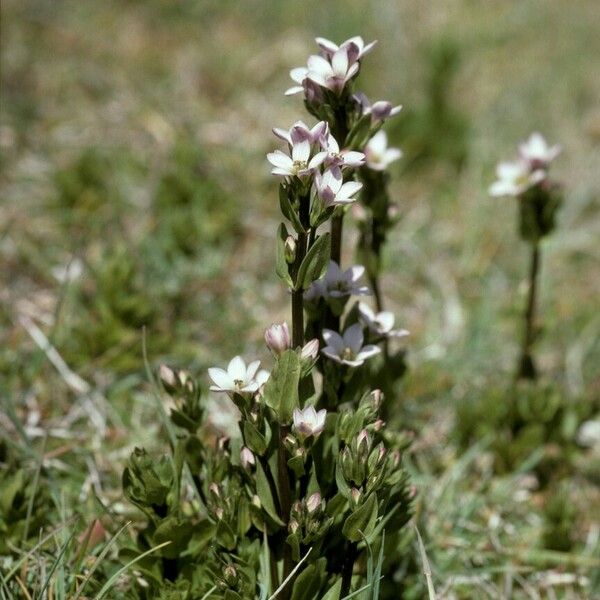
Plant Overview
The Magellanic Gentian is a resilient alpine treasure hailing from the rugged landscapes of Tierra del Fuego and the Southern Andes. Often referred to as the "Gentian of the End of the World," it paints the cold, windswept marshes of Patagonia with delicate shades of violet and lilac. This tiny wildflower is a symbol of endurance, flourishing in some of the southernmost habitats on Earth where few other blossoms dare to grow.
🔍 How to Identify
- 🌸 Flower Shape: Deeply bell-shaped or trumpet-like flowers, typically featuring four distinct petals that flare outward to catch the mountain sun.
- 🎨 Color Palette: Most commonly found in vibrant purples and soft lilacs, often decorated with fine, darker veins that guide pollinators toward the center.
- 🍃 Growth Habit: A low-growing herb that produces small, lance-shaped leaves in pairs, often forming a compact rosette to protect itself from harsh subantarctic winds.
🏡 In Your Garden
- 🏔️ The Alpine Specialist: This plant is a "connoisseur’s choice" because it is notoriously difficult to grow outside its native habitat. It requires "cool feet" and acidic, peaty soil that never fully dries out.
- 🌬️ Climate Constraints: It is highly sensitive to heat and low humidity. In a garden setting, it mimics its home in the Magellanic moorlands by thriving in rock gardens that offer excellent drainage but constant moisture.
⚠️ Safety & Toxicity
- 🟢 Status: Generally considered non-toxic and safe for handling.
- 🐾 Details: While not known to be poisonous to pets or humans, the Gentian family is famous for containing extremely bitter compounds. These act as a natural deterrent, meaning most curious pets will take one sniff—or one bitter nibble—and move on.
✨ Fun Fact
- 👑 A Royal Connection: The name Gentianella (and the parent genus Gentiana) honors King Gentius of Illyria. Legend says he was the first to discover the medicinal properties of these bitter plants in the 2nd century BC, using them to treat his army during times of plague.

Detailed Care Instructions

Place in a bright room that is sun drenched almost all day. Or directly in a south-facing window.

Some plants require more regular watering than others, which should be done every few days. It's critical to maintain the soil moist all of the time. The water requirements of the same plant placed in pots with varying sizes will differ. Because the water in the smaller pot evaporates faster than the water in the larger pot, it will require more watering. Regardless of pot size, the surface should constantly be maintained moist.








