Plant Overview
Known as the Nepalese Crane's-bill, this dainty perennial tells a story of the Himalayan foothills. While it looks like a fragile wildflower, it is a surprisingly resilient traveler, often spreading its soft, hairy stems across garden beds like a natural living carpet. It is beloved by pollinators and traditional herbalists alike for its understated beauty and hardy nature.
🔍 How to Identify
- 🌸 Petal Details: Look for five rounded, pink to pale purple petals, usually marked with delicate magenta veins that serve as "nectar guides" for visiting bees.
- 🍃 The Foliage: The leaves are deeply lobed and divided into five distinct segments, often covered in fine, silvery hairs that give the plant a soft, matte appearance.
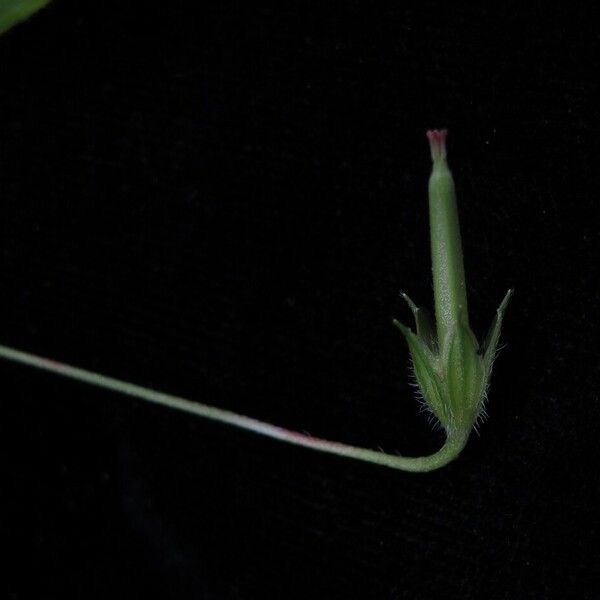
- 🏗️ The "Crane's Bill": After the flowers fade, the plant develops a long, pointed seed pod that stands upright, remarkably resembling the long beak of a crane.
🏡 In Your Garden
- 🌿 Sprawling Habit: Unlike many upright garden flowers, this species loves to creep and crawl. It is an excellent choice for a "living mulch" or groundcover, filling in gaps under taller shrubs where it can suppress weeds.
- 🌤️ Cool Roots: Coming from mountain regions, it prefers "cool feet." It thrives in soil that stays consistently moist and appreciates a layer of organic mulch to protect its root system from the midday sun.
⚠️ Safety & Toxicity
- ✅ Status: Generally considered non-toxic to humans and is even used in some traditional Himalayan medicines as an astringent.
- 🐾 Pet Caution: While not high-risk, most Geranium species contain essential oils like geraniol. If a curious pet eats a large amount, they might experience mild digestive upset or skin redness. It is best kept as a "look but don't snack" plant for furry friends.
✨ Fun Fact
The Nepalese Crane's-bill is a master of "ballistic dispersal." When the beak-shaped seed pod dries out, it acts like a high-tension spring, suddenly snapping upward and catapulting its seeds several feet away to ensure the next generation has plenty of space to grow!

Detailed Care Instructions

Place in a window with dappled sun or a spot in the middle of a room. Or directly in a window facing west or east.

The presence of a dry surface layer of soil does not indicate that the plant requires water. Instead, stick your finger 1-2" (3-5 cm) deep in the soil to feel dampness or moisture content. If the soil seems dry, it's time to water your greens. If the soil is still moist, however, it is better not to water your plant and instead wait a day or two. Overwatering or waterlogging raises the risk of root rot. So if the soil takes longer than a week to dry, check the light conditions because it's likely that the plant isn't getting enough light. It's fine if the upper layer of soil is dry between waterings, but the deeper soil layer should always have some moisture.








