Plant Overview
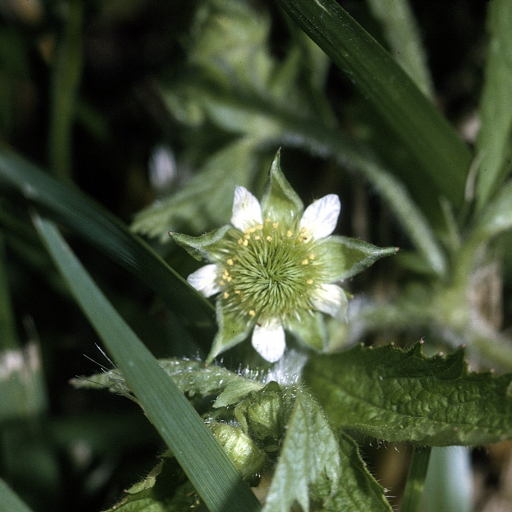
Known as the Rough Avens, this North American native is a quiet inhabitant of damp meadows and woodland edges. While its tiny white flowers are modest, the plant is famous for its tenacious, "hitchhiking" seeds that love to cling to hikers' socks and dog fur. It is a resilient wildflower that bridges the gap between a garden plant and a wild woodland dweller.
🔍 How to Identify
- 🌼 The Flowers: Look for small, creamy white blossoms with five petals and a cluster of green carpels in the center. They often appear somewhat "lost" or undersized amidst the plant's large, lush leaves.
- 🌿 The Stem: True to its name, the stems are covered in stiff, bristly hairs that feel rough or sandpaper-like to the touch, distinguishing it from its smoother cousins.
- 🧶 The Seed Head: After the petals fall, the plant develops a spherical "bur" made of many tiny hooks. These are designed to latch onto passing animals to transport the seeds to new locations.
🏡 In Your Garden
- 💧 Moisture Lover: This plant thrives in "feet-wet" conditions. It is an excellent candidate for rain gardens, pond edges, or low-lying areas of your yard where water naturally collects.
- 🦋 Native Pollinator Support: While not the showiest flower in a garden, it is a vital resource for small native bees and syrphid flies that rely on its nectar during the transition from spring to summer.
⚠️ Safety & Toxicity
- 🐾 Pet & Child Safe: Rough Avens is generally considered non-toxic to humans, cats, and dogs. It lacks the harsh alkaloids found in many other members of the broader Buttercup family.
- 🧤 Mechanical Irritation: While not chemically poisonous, the stiff bristles on the stem can be slightly irritating to those with very sensitive skin. Wearing gloves while weeding or transplanting is a good idea.
✨ Fun Fact
The genus name Geum comes from the Greek word geuo, which means "to give a pleasant flavor." This refers to the roots of some Geum species, which produce a scent and taste remarkably similar to cloves when crushed.

Detailed Care Instructions
To grow Geum Laciniatum (also known as Rough Avens or Geum triflorum), follow these steps:
- Choose a suitable location: Geum Laciniatum prefers full sun to partial shade. Pick a spot in your garden that receives at least six hours of direct sunlight per day.
- Soil preparation: The plant likes well-draining soil, so amend your garden soil by adding compost or organic matter to improve drainage. A slightly acidic to neutral pH (around 6.0-7.0) is ideal.
- Planting: Geum Laciniatum can be propagated from seeds or division.
- From seeds: Sow the seeds in late winter or early spring, either indoors or directly into the garden. Spread the seeds lightly over the soil surface and press them gently into the soil. Keep the soil moist until germination occurs, usually within 2-3 weeks.
- From division: Dig up an established plant in early spring or fall, and gently divide the root ball into smaller clumps. Replant the divisions in well-prepared soil, making sure to space them about 12-18 inches apart.
- From seeds: Sow the seeds in late winter or early spring, either indoors or directly into the garden. Spread the seeds lightly over the soil surface and press them gently into the soil. Keep the soil moist until germination occurs, usually within 2-3 weeks.
- Watering: Water the newly planted Geum Laciniatum regularly, keeping the soil consistently moist but not waterlogged. Once established, it is tolerant of drought but still performs best with regular watering during dry spells.
- Mulching: Apply a layer of organic mulch around the base of the plant to help conserve moisture, suppress weeds, and regulate soil temperature.
- Fertilizing: Geum Laciniatum generally doesn't require much fertilization. However, if your soil is poor or lacking nutrients, you can apply a balanced, slow-release fertilizer in early spring.
- Pruning: After flowering, remove spent flowers and discolored foliage to keep the plant tidy. Trimming back the plant to the basal leaves in early fall can also help maintain its shape and prevent self-seeding.
- Pest and disease control: Geum Laciniatum is generally resistant to most pests and diseases. However, aphids or slugs can occasionally be an issue. Monitor the plant regularly and take appropriate measures like using organic pest control methods if necessary.
- Division and propagation: Every three to four years, consider dividing the plant to rejuvenate it and maintain its vigor. Dig up the plant in early spring or fall, and divide the root clumps. Replant the divisions as instructed in step 3.
By following these steps, you should be able to successfully grow Geum Laciniatum and enjoy its beautiful flowers in your garden.

Place in a bright room that is sun drenched almost all day. Or directly in a south-facing window.

1. Location: Determine where the plant is located in your garden or house. Geum Laciniatum is a medium- to late-blooming perennial plant that prefers a sunny or partly shady area with well-draining soil. The location will determine how much sunlight and moisture the plant receives.
2. Watering Frequency: Geum Laciniatum prefers evenly moist soil but does not like to sit in water. Water the plant moderately, but do not overwater. A general rule of thumb is to water when the soil feels dry to the touch.
3. Watering Technique: Water the plant at the base, avoiding getting water on the foliage or flowers. Use a watering can or hose with a gentle spray to evenly distribute water around the roots.
4. Time of Day: Water the plant early in the morning or late in the afternoon to avoid evaporation. Watering in the heat of the day can cause the water to evaporate quickly, leaving the plant thirsty.
5. Soil Type: Geum Laciniatum prefers well-draining soil. If your soil is heavy or clay-based, consider adding organic matter, such as compost or peat moss, to help improve drainage.
6. Mulching: Consider adding a layer of mulch around the plant to help retain moisture and prevent the soil from drying out too quickly.
7. Weather Conditions: Adjust watering frequency based on weather conditions. During hot and dry periods, water more frequently. During cool and wet periods, water less frequently.
8. Observing the Plants: Observe the plant for signs of under or overwatering. Overwatering can cause yellowing leaves, wilting, and root rot. Underwatering can cause dry and crispy leaves.
In summary, water Geum Laciniatum moderately, preferably early in the morning or late in the afternoon, in a well-draining soil location, avoiding wetting the foliage, and adjust watering frequency according to weather and soil conditions.
To fertilize this plant, apply a balanced fertilizer during the growing season. Use a slow-release granular fertilizer or a liquid fertilizer every two weeks. Be sure to follow the manufacturer's instructions for the correct application rate. Avoid over-fertilizing as this can lead to burning of the plant's leaves and roots. Water the plant thoroughly after fertilizing to help distribute the nutrients through the soil.
Geum Laciniatum requires a well-draining soil that is rich in organic matter. The recommended pH range for the soil is between 5.5-7.0. The soil should be moist, but not waterlogged, as the plant prefers moderate watering. It is best to avoid heavy clay soils as they may cause root rot. A sandy loam soil is more suitable for this plant. It is also recommended to add a layer of mulch over the soil to protect the plant's shallow roots and retain moisture in the soil.
Geum Laciniatum plant can be propagated through division of its root system. First, the parent plant should be dug up and the soil around the roots gently shaken off. Then, using a sharp, clean knife, the root system should be carefully divided into smaller sections, ensuring that each section has some roots attached. These smaller sections can then be planted in a suitable location with well-draining soil and regular watering. It is best to propagate Geum Laciniatum plant during the spring or fall when the plant is dormant.








