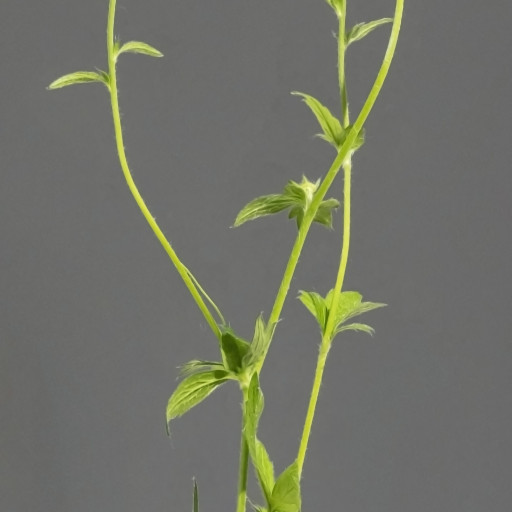
Plant Overview
Often called "Herb Bennet" or the "Blessed Herb," Geum urbanum is a humble woodland resident with a history rooted in medieval mysticism. Its name is a corruption of Herba benedicta, as it was once believed that if a man carried the root, he would be protected from venomous beasts and the devil himself. Today, it is mostly known for its "velcro-like" seeds that hitchhike on socks and dog fur after a forest stroll.
🔍 How to Identify
- 🌼 Flowers: Look for small, star-shaped yellow blossoms with five petals. Unlike their flashy garden cousins, these flowers are quite petite and face upward.
- 🍃 Leaves: The foliage resembles strawberry leaves; they are deeply lobed and slightly hairy, with the largest leaves growing at the base of the plant.
- 🧶 Seed Heads: Once the flower fades, it transforms into a spherical, reddish-brown burr covered in tiny hooks designed to snag onto anything passing by.
🏡 In Your Garden
- 🌲 Shady Preference: This plant is a specialist of the "edge" habitat. It thrives in dappled sunlight, hedgerows, and the darker corners of a garden where other flowers might struggle.
- 🌱 The "Hitchhiker" Strategy: While it isn't a strangling vine, it can become a persistent garden guest. Because the seeds are so effective at clinging to clothing and pets, you may find it "walking" across your property year after year.
⚠️ Safety & Toxicity
- ✅ General Safety: Common Avens is considered non-toxic to humans, cats, and dogs. It has a long history of use in traditional herbalism.
- 🐕 Grooming Nuisance: While not poisonous, the hooked seed heads can be a major irritant for long-haired pets. They can mat the fur or cause skin irritation if they get stuck in sensitive areas like paws or ears.
✨ Fun Fact
🧪 Clove Mimicry: If you dig up a small piece of the root and crush it, it releases a powerful scent of cloves! In the Middle Ages, the dried roots were often hung in closets to scent clothes and ward off moths, or even used to flavor homemade ale.

Detailed Care Instructions
To grow Geum urbanum, also known as wood avens or herb bennet, you can follow these steps:
- Choose the right location: Geum urbanum prefers partial shade to full shade, but can also tolerate full sun. Ensure that the soil is well-draining, rich in organic matter, and slightly acidic to neutral pH.
- Planting: Start by preparing the soil bed by removing any weeds or grass. Dig a hole slightly larger than the plant's root ball and place the plant in the hole so that the crown is level with or slightly above the soil surface. Fill the hole with soil, gently firming around the plant to eliminate any air pockets.
- Watering: Water the plant thoroughly after planting to help it establish. Once established, Geum urbanum prefers evenly moist soil, so water it regularly, especially during hot and dry periods. Avoid waterlogging the soil as it can cause root rot.
- Mulching: Place a layer of organic mulch, such as wood chips or straw, around the plant to help retain moisture, suppress weeds, and regulate soil temperature. Leave a gap around the crown to prevent rot.
- Fertilization: Geum urbanum generally doesn't require heavy fertilization. However, you can apply a balanced organic fertilizer or compost in early spring to provide essential nutrients.
- Pruning: Deadhead spent flowers regularly to encourage continuous blooming. After the plant has finished flowering, you can cut it back to encourage fresh growth.
- Propagation: Geum urbanum can be propagated by seed or dividing mature plants. Seeds can be sown directly in the garden in early spring or fall, while division is best done in spring or early fall. Dig up the plant, carefully separate the root clumps, and replant immediately.
- Pests and diseases: Geum urbanum is generally resistant to pests and diseases. However, watch out for slugs and snails, and take appropriate measures to control them if necessary.
By following these guidelines, you can successfully grow Geum urbanum and enjoy its beautiful flowers in your garden.

Place in a window with dappled sun or a spot in the middle of a room. Or directly in a window facing west or east.

To water this plant, ensure that the soil is well-drained and not waterlogged. Stick your finger in the soil and check if the top inch is dry before watering. When watering, make sure to water directly at the base of the plant, rather than on the leaves. Avoid getting water on the foliage to prevent disease and fungal growth. Water regularly, allowing the soil to dry out slightly between each watering. Be careful not to overwater, as this can cause root rot.
For best results, fertilize this plant in the early spring before the growing season begins. Use a well-balanced, slow-release fertilizer with equal parts nitrogen, phosphorus, and potassium. Apply the fertilizer evenly around the plant, taking care not to let it touch the foliage or stem. Water the plant thoroughly after applying the fertilizer to help it soak into the soil. Be sure to follow the instructions on the fertilizer package for best results.
Geum Urbanum plant prefers a well-drained, loamy soil with a slightly acidic to neutral pH range of 5.5 to 7.0. The soil should be rich in organic matter and nutrients. A good mix for this plant can include equal parts of peat moss, sand or perlite, and compost. The soil should be moist but not waterlogged, and it should provide good drainage to prevent rotting of roots. It is best to avoid heavy, clay soils that tend to retain water for too long and can lead to root rot. It is also important to ensure that the soil is free of weeds and other contaminants that can affect the plant's growth and health. Regular soil amendments with organic matter, such as compost or aged manure, can help promote healthy growth and enhance soil fertility.
Geum Urbanum plant can be propagated through dividing its roots. This can be done in autumn or early spring when the plant is dormant. To do this, carefully dig up the entire plant and separate the roots and leaves into smaller sections. Make sure each new section has several healthy roots and a small amount of foliage. Replant these sections in well-draining soil, spaced about 20-30cm apart. Water them immediately after planting and keep the soil moist but not waterlogged until they establish. It is also possible to propagate Geum Urbanum plant through seed, which can be collected in the summer and sown in the autumn. The seeds should be sown onto moist soil and lightly covered with a thin layer of soil. Keep the soil moist until the seeds germinate, which can take up to four weeks.








