Plant Overview
Often called the "Living Fossil," the Ginkgo Biloba is the sole survivor of an ancient group of trees that thrived before dinosaurs even walked the Earth. Known as the Maidenhair Tree due to its foliage resembling the maidenhair fern, it is a symbol of longevity and resilience, famously being one of the few living things to survive the Hiroshima atomic blast.
🔍 How to Identify
- 🍃 The Leaf: Unmistakable fan-shaped leaves that are often split into two lobes (hence biloba). They have unique, radiating veins that start from the base.
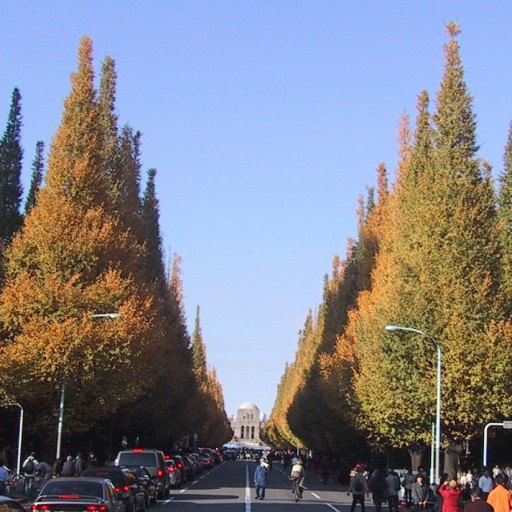
- 🎨 Autumn Color: In the fall, the entire tree transforms into a brilliant, uniform saffron-yellow, usually dropping all its leaves almost simultaneously.
- 🌳 Growth Habit: Young trees are often tall and spindly, but they grow into massive, stately giants with deeply furrowed, cork-like gray bark.
🏡 In Your Garden
- 🏙️ Urban Warrior: Ginkgos are legendary for their resistance to pollution, salt, and pests, making them the gold standard for city streets and tough garden spots.
- ⏳ Patience Required: These trees are slow growers and can take decades to reach full height. Because they have deep taproots, they are very wind-resistant but dislike being moved once they have settled in.
- 🚻 Gender Matters: Most gardeners prefer "male" cultivars (like 'Autumn Gold') because female trees produce fleshy, fruit-like seeds that have a notoriously foul odor, often compared to rancid butter.
⚠️ Safety & Toxicity
- 🤢 The "Fruit" Warning: The fleshy coating of the seeds on female trees contains urushiol, the same chemical found in poison ivy, which can cause severe skin irritation for some people.
- 🐾 Pet Safety: While the leaves are generally harmless, the seeds (nuts) contain ginkgotoxin. If ingested by dogs or cats, they can cause vomiting, irritability, or even seizures in rare cases.
- 💊 Human Note: While Ginkgo is a popular herbal supplement, the raw seeds are toxic and should never be eaten without specific processing.
✨ Fun Fact
Charles Darwin himself coined the term "Living Fossil" specifically to describe the Ginkgo. Because it has no living relatives, it is a biological loner—a single species that represents an entire botanical division that hasn't changed its look in over 200 million years!

Detailed Care Instructions
| Color | Green (Insignificant Flowers) |
| Soil Ph | 5.0 To 8.0 |
| Humidity | High |
| Lighting | Part Sun |
| Toxicity | Poisonous |
| Soil Type | Sandy, Well-Drained |
| Bloom Time | Spring |
| Difficulty | Hard |
| Plant Type | Deciduous Tree |
| Mature Size | 50 To 80 Feet Tall And 30 To 40 Feet Wide |
| Native Area | China |
| Temperature | 5°C - 24°C |
| Sun Exposure | Full Sun To Part Shade |
| Hardiness Zones | 4 To 9 |
To grow a Ginkgo Biloba plant, you can follow these steps:
- Obtaining seeds: You can purchase Ginkgo Biloba seeds either online or from a local nursery. Alternatively, you can find fallen seeds near mature Ginkgo trees in parks or streets. Ensure the seeds are fresh and viable.
- Preparing the seeds: Soak the Ginkgo Biloba seeds in water for 24-48 hours to help with germination. Change the water every 12 hours.
- Planting: Fill a pot with a mixture of well-draining soil, such as sandy loam or a potting mix for trees. Place one Ginkgo Biloba seed in the center of the pot, burying it about an inch deep. You can also plant multiple seeds in a larger container, spacing them a few inches apart.
- Providing the ideal conditions: Ginkgo Biloba thrives in full sun to partial shade. Place the potted seeds in an area that receives at least 6 hours of sunlight a day. Ensure the temperature remains between 65-75°F (18-24°C) during the day and doesn't drop below 50°F (10°C) at night.
- Watering: Keep the soil consistently moist while the seeds germinate. Avoid overwatering, as it can lead to root rot. Use a mist spray bottle or a gentle stream of water to moisten the soil evenly.
- Germination: Ginkgo seeds may take anywhere from a few weeks to a few months to germinate. Be patient and continue to provide the ideal conditions. Once the seeds germinate, tiny Ginkgo Biloba seedlings with two leaves will emerge.
- Transplanting: When the seedlings have developed a few sets of true leaves, they can be transplanted into larger pots or directly into the ground. Use a well-draining soil mix and provide enough space for the roots to spread out.
- Maintenance: Water the seedlings regularly, providing enough moisture without waterlogging the soil. Fertilize once every two weeks during the growing season with a balanced, slow-release fertilizer. Prune any dead or damaged branches when necessary.
- Protecting from pests and diseases: Ginkgo Biloba is relatively resistant to pests and diseases. However, keep an eye out for aphids, scale insects, and fungal infections. Monitor your plant regularly and take appropriate action if needed.
With proper care, your Ginkgo Biloba plant will continue to grow and eventually develop into a beautiful and unique tree.

Place in a bright room that is sun drenched almost all day. Or directly in a south-facing window.

To water this plant, it is important to make sure that the soil is thoroughly soaked, but not waterlogged. It is best to water it deeply and then allow the soil to dry out slightly before watering again. This can be done by testing the soil with your fingers to feel its moisture level. Additionally, it is important to avoid getting water on the leaves, as this can lead to fungal diseases. Therefore, it is recommended to water the plant at its base or use a watering can with a thin spout to direct the water towards the soil. The frequency of watering will depend on various factors, such as the size of the plant, weather conditions, and the type of soil it is planted in. As a general rule, it is recommended to water it once a week, but it is important to monitor the soil moisture level and adjust accordingly.
For optimal growth, use a balanced fertilizer with a nitrogen-phosphate-potassium ratio of 10-10-10 or 20-20-20. Apply the fertilizer once in the early spring before new growth begins and again in mid-summer. Water the plant thoroughly before and after fertilizing to prevent roots from burning. Avoid over-fertilization, which can cause foliage to yellow and drop prematurely.
The ideal soil for the Ginkgo Biloba plant should be well-draining and fertile. It should have a slightly acidic to neutral pH level, ranging from 5.5 to 7.5. The soil should contain a good amount of organic matter, such as compost or well-rotted manure. Clay soils are not suitable for this plant as they do not drain well and can lead to root rot. The soil should be moist but not waterlogged, so it is important to ensure proper drainage. Adding perlite or sand to the soil can help with drainage. It is also important to avoid using chemical fertilizers as they can harm the plant. Instead, use natural fertilizers such as bone meal and fish emulsion.
Ginkgo Biloba can be propagated through various methods such as rooting stem cuttings and grafting.
Rooting stem cuttings:
- Cut a 6-8 inch stem from the parent plant, making sure to snip below a node.
- Remove the lower leaves on the stem, leaving only 2-3 pairs of leaves at the top.
- Dip the cut end into rooting hormone powder and insert the stem into a pot with well-draining soil.
- Water the soil and cover the pot with a plastic bag to create a humid environment.
- Place the pot in a warm, bright location, and continue to water as needed while the cutting roots.
Grafting: - Select a healthy, vigorous stem from the parent plant to serve as the rootstock.
- Cut the stem of the desired cultivar to a 45-degree angle, making sure to remove all leaves and buds.
- Match the cut end of the cultivar stem to the cut end of the rootstock stem and bind them together with grafting tape.
- Cover the joint with grafting wax to keep out air and moisture.
- Place the grafted plant in a warm, humid environment and wait for the graft to take.








