Plant Overview
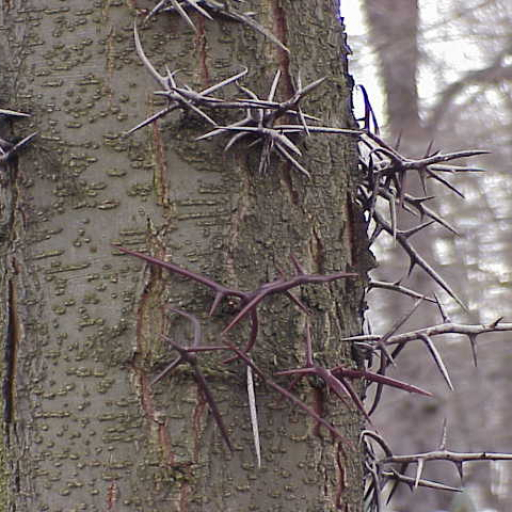
Often called the "Soap Pod Tree" or "Chinese Honey Locust," this tree is a storied giant of East Asian landscapes. While its delicate, feathery foliage gives it a graceful, airy appearance, its trunk tells a story of fierce defense through its legendary, branching thorns. In its native China, it has been revered for centuries not just as a shade provider, but as a "living pharmacy" where almost every part of the tree has a traditional use.
🔍 How to Identify
- 🌿 The Foliage: Features bright green, pinnately compound leaves that create a soft, dappled shade. Each leaf is made up of numerous small, oval leaflets that turn a warm yellow in the autumn.
- 🗡️ The Thorns: One of its most striking (and intimidating) features are the large, multi-branched thorns that sprout directly from the trunk and older limbs. They are dark brown, woody, and can grow several inches long.
- 🫛 The Pods: It produces long, flattened, and slightly curved seed pods (legumes). These pods turn a dark purplish-brown or black when ripe and have a leathery texture.
🏡 In Your Garden
- 🌳 Deep Roots: This tree establishes a powerful, deep taproot very early in its life. Because of this "anchor," it hates being moved. If you plant one, ensure you’ve picked its "forever home," as transplanting an established Chinese Honey Locust is rarely successful.
- 🛠️ Hardy & Helpful: It is incredibly resilient against urban pollution and poor soil. As a member of the legume family, it actually improves the earth around it by "fixing" nitrogen, essentially fertilizing the soil for neighboring plants.
⚠️ Safety & Toxicity
- 🚫 Physical Hazard: The primary danger is the thorns. They are sharp enough to pierce through standard gardening gloves and even thin-soled shoes. It is not recommended for planting near walkways, playgrounds, or areas where pets run freely.
- 🐾 Saponin Content: The seed pods and bark contain saponins. While these have medicinal uses in controlled doses, they are toxic to pets and humans if ingested in large quantities, leading to severe digestive distress.
✨ Fun Fact
🧼 The Original Laundry Detergent: Long before modern soaps existed, people in ancient China harvested the pods of Gleditsia sinensis. When crushed and agitated in water, the saponins inside create a natural, cleansing foam that was used for centuries to wash delicate silks and hair!

Detailed Care Instructions
To grow Gleditsia Sinensis (Chinese honeylocust) plant, you can follow these steps:
- Climate and Location: Gleditsia Sinensis prefers a warm climate and grows well in USDA hardiness zones 4-9. Choose a location that receives full sun for at least 6-8 hours a day.
- Soil Requirements: The plant thrives in well-draining soil with a pH level between 6.0-7.5. It can tolerate various soil types, including clay, loamy, or sandy soil. Prepare the soil by adding organic matter like compost to enrich it.
- Propagation: Gleditsia Sinensis can be propagated through seeds or by grafting. If using seeds, soak them in water for 24 hours before planting to enhance germination. Start by planting the seeds 1-2 inches deep in the prepared soil.
- Watering: Regular watering is essential during the plant's early stages of growth to help establish its root system. Once established, the plant is relatively drought-tolerant and requires watering only during prolonged dry periods.
- Fertilization: Apply a balanced, slow-release fertilizer during the plant's active growing season, usually in spring. Follow the manufacturer's instructions for dosage and application.
- Pruning: Gleditsia Sinensis benefits from regular pruning to maintain its shape and remove any dead or diseased branches. Prune during the dormant season (late winter or early spring) to encourage new growth.
- Mulching: Apply a layer of organic mulch around the plant's base to help conserve moisture, suppress weed growth, and regulate soil temperature.
- Pest and Disease Control: Gleditsia Sinensis is generally resistant to pests and diseases. However, keep an eye out for common garden pests like aphids, caterpillars, or leaf miners. Treat any infestations promptly using organic or chemical insecticides.
Remember to check with your local gardening center or agricultural extension office for any specific growing recommendations or guidelines for Gleditsia Sinensis in your region.

Place in a bright room that is sun drenched almost all day. Or directly in a south-facing window.

When watering this plant, ensure that the soil is moist but not soaking wet. Allow the soil to partially dry out before watering again. It is best to water this plant deeply and infrequently, rather than frequent shallow watering. Water directly at the base of the plant, avoiding getting water on the leaves. Use room temperature water and avoid using hard water or water that has gone through a water softener. When watering, take note of the drainage of the pot or planting area to avoid root rot.
To properly fertilize the species of plant in question, it is important to first determine the soil composition and pH levels. Using a slow-release, balanced fertilizer with nitrogen, phosphorus, and potassium can promote healthy growth and development. It is recommended to fertilize the plant during the active growing season, typically in the spring and summer, and to follow specific dosage instructions provided by the manufacturer. Over-fertilization can harm the plant, so it is important to pay close attention to the amounts and timing of each application. Additionally, incorporating organic matter such as compost or mulch can also aid in overall plant health and growth.
When planting the Gleditsia Sinensis plant, it is recommended to use a well-draining soil that is slightly acidic with a pH level between 6.0 and 7.5. The soil should also be rich in organic matter and nutrients to support the plant's growth. It is important to avoid using heavy clay soils or soils that are prone to waterlogging, as this can inhibit root growth and lead to disease. Additionally, adding fertilizer to the soil can help to promote the plant's growth and health. It is best to consult with a local nursery or gardening expert to determine the best soil mix for the Gleditsia Sinensis plant based on the climate and soil conditions in your specific area.
Propagation of this plant can be done through various methods such as seed germination, grafting, and stem cuttings.
- Seed Germination:
Collect the seeds from the mature plant and soak them overnight in water. Fill a pot with a well-draining soil mixture and sow the seeds about 1 inch deep. Keep the soil moist and the pot in a warm, bright area. Germination usually occurs within 1-2 months.
- Grafting:
In this method, a scion (a piece of stem with buds) from the plant is grafted onto a rootstock of a related plant. This is done to propagate a particular variety of the plant. Make a longitudinal cut on the stem of the rootstock and insert the scion. Secure it with grafting tape and keep the plant in a warm, humid area until the graft union has formed.
- Stem Cuttings:
Take a stem cutting about 6 inches long from the plant during the dormant period (winter). Remove the lower leaves and dip the bottom end in rooting hormone. Plant the cutting in a well-draining soil mixture and keep it moist. Place the pot in a warm, bright area and keep it covered with a plastic bag until roots have formed.
No matter the propagation method, it is important to keep the new plants well-watered and protected from harsh sunlight until they have established a healthy root system.








