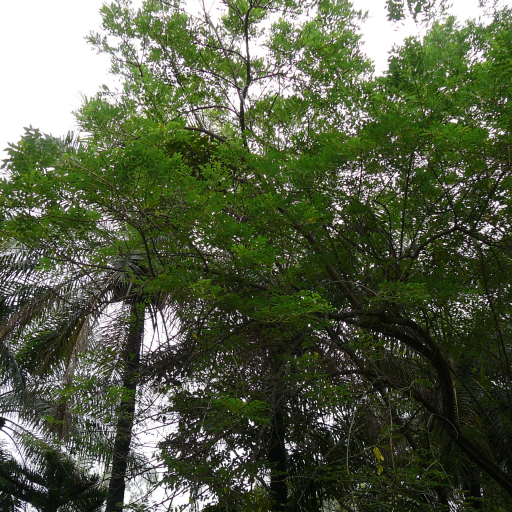
Plant Overview
Commonly known as the Quickstick or Madre de Cacao (Mother of Cocoa), this versatile tree is a beloved staple of tropical landscapes. Its nicknames tell a story: "Quickstick" refers to its incredible ability to grow from a simple branch stuck in the ground, while "Madre de Cacao" honors its traditional role as a protective shade provider for delicate cocoa plants.
🔍 How to Identify
- 🌸 Floral Clusters: During the dry season, the tree erupts in stunning, pea-like flowers that range from pale pink to deep lilac, often appearing on bare branches before the leaves return.
- 🍃 Feathered Foliage: The leaves are "pinnate," meaning they look like green feathers with small, oval leaflets arranged in pairs along a central stem.
- 🌳 Growth Habit: It typically grows as a medium-sized tree with a somewhat crooked trunk and a spreading crown, often seen lining farm borders as a "living fence."
🏡 In Your Garden
- 🌱 Living Fences: Because it roots so easily from cuttings, it is the ultimate "instant" hedge. You can literally plant a sturdy stake in the soil, and it will sprout into a new tree within weeks.
- 🧪 Soil Improver: As a member of the legume family, it works magic underground. It "fixes" nitrogen from the air and puts it into the soil, making it a fantastic companion plant that naturally fertilizes everything around it.
- ✂️ Pruning Tolerance: It is incredibly hardy and can be pruned aggressively. In many tropical regions, it is regularly "lopped" to provide nutrient-rich mulch for garden beds.
⚠️ Safety & Toxicity
- 🐕 Toxic to Rodents: The name Gliricidia literally translates to "mouse-killer." The bark and seeds contain compounds that are used in many cultures as a natural rodenticide.
- 🐾 Pet Warning: While generally safe for humans to handle, the seeds, bark, and leaves can be toxic to dogs, cats, and horses if ingested in large quantities. It’s best to keep curious chewers away from fallen pods.
✨ Fun Fact
The flowers of the Gliricidia sepium are actually edible for humans! In parts of Central America, they are often fried in batter or boiled and added to traditional stews, offering a subtle, sweet flavor.

Detailed Care Instructions
To grow Gliricidia sepium, also known as madre de cacao or quickstick, you can follow these steps:
- Obtain Gliricidia sepium seeds or cuttings: You can either gather seeds from mature pods or acquire cuttings from a local nursery or gardening center.
- Prepare the planting site: Find a location that receives full sun or partial shade and has well-draining soil. Prepare the soil by loosening it and removing any weeds or debris.
- Planting: If using seeds, plant them about 1 inch deep in the soil, spacing them 6-8 inches apart. If using cuttings, plant them directly into the ground, burying at least 6 inches of the cutting below the soil surface.
- Watering: Water the plants regularly, keeping the soil moist but not waterlogged. Avoid overwatering, as it can lead to root rot.
- Mulching: Apply a layer of organic mulch around the base of the plants to help retain moisture, control weeds, and provide some nutrients.
- Fertilizing: Gliricidia sepium is a nitrogen-fixing plant, meaning it can absorb nitrogen from the air and enrich the soil. However, if the soil is deficient in nutrients, you can apply a balanced organic fertilizer during the growing season to support healthy growth.
- Pruning: Regular pruning will promote bushier and more compact growth. Trim the plants to encourage branching and remove any dead or damaged branches.
- Pests and diseases: Gliricidia sepium is generally resistant to most pests and diseases. However, monitor the plants for any signs of issues and take appropriate measures, such as organic pest control methods or fungicides, if necessary.
- Support: As the plants grow taller, you may need to provide support in the form of stakes or trellises to prevent the branches from drooping or breaking.
- Maintenance: Keep the area around the plants weed-free and provide regular care such as checking for proper watering, monitoring for pests or diseases, and pruning as needed.
By following these steps, you can successfully grow Gliricidia sepium and enjoy its benefits, like providing shade, improving soil fertility, and its potential use as a fodder or green manure crop.

Place in a bright room that is sun drenched almost all day. Or directly in a south-facing window.

1. First, determine the watering needs of the plant by observing its soil moisture level. The soil should be kept evenly moist but not waterlogged.
2. Water the plant deeply, allowing the water to soak into the soil and reach the plant's roots. It is better to water deeply less frequently than to water shallowly more often.
3. Use clean, room temperature water to avoid shocking the plant's roots.
4. Avoid watering the leaves of the plant, as this can lead to fungal diseases and other issues.
5. Depending on the growth stage and environmental conditions, the Gliricidia Sepium plant may require more or less water. Monitor the plant's condition and adjust watering accordingly.
6. Water plants in the morning or evening to avoid the heat of the day and minimize water loss due to evaporation.
7. Add a layer of organic mulch to help retain soil moisture and reduce water loss through evaporation.
8. Avoid overwatering, as this can lead to root rot and other issues. Always allow the top layer of soil to dry out slightly before watering again.
To fertilize this plant, use a balanced fertilizer with equal amounts of nitrogen, phosphorus, and potassium. Apply the fertilizer once a month during the growing season. Spread the fertilizer evenly around the plant and water thoroughly after applying. Avoid getting the fertilizer on the leaves or stems, as this can cause burning. For best results, test the soil pH and adjust it as needed to ensure optimal nutrient uptake.
The recommended soil for growing this particular plant should be well-draining and provide good aeration to the root system. It should have a slightly acidic to neutral pH level and be rich in organic matter. Adding compost or aged manure to the soil will help provide the necessary nutrients for growth. It is also important to avoid using soil that has been previously used to grow plants in the same family, as this can increase the risk of disease and pest problems. The soil should be moist but not water-logged, and it is recommended to water the plant deeply and infrequently rather than frequent shallow watering.
Gliricidia Sepium plant can be propagated through several methods such as seeds, stem cuttings, and layering. To propagate through stem cuttings, select a healthy stem with no signs of disease or damage. Make a clean cut at a 45-degree angle, and remove the lower leaves. Dip the cut end in rooting hormone, and plant it in well-draining soil. Keep the soil moist, but not soggy, and place the cutting in indirect sunlight.
Another method of propagation is through layering. Select a healthy stem, bend it down towards the ground, and cover it with soil while leaving the tip exposed. After a few weeks, roots will start to develop. Once roots have formed, cut the new plant from the parent plant and transplant it into a new pot or location.
Propagation through seeds is also possible by collecting mature pods and letting them dry out. Once dry, remove the seeds and plant them in well-drained soil. Keep the soil moist and provide indirect sunlight until the plants begin to sprout.








