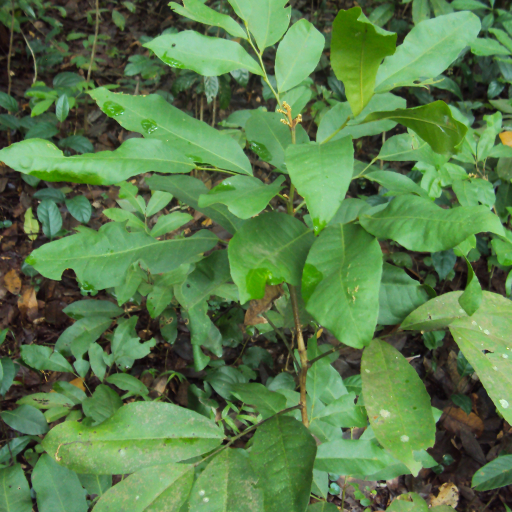
Plant Overview
Often called the Gin Berry or Orangeberry, Glycosmis pentaphylla is a versatile evergreen shrub that brings a touch of the tropical East to any garden. Known for its glossy foliage and translucent, pearl-like fruits, it has been a staple in traditional Ayurvedic medicine for centuries. Its charming nicknames stem from the unique, botanical aroma of its crushed leaves and berries, which many say smells exactly like a fresh glass of gin.
🔍 How to Identify
- 🍃 The Foliage: Look for "pentaphylla" (meaning five leaves) arrangement; the plant typically features glossy, dark green leaflets in groups of five that feel slightly leathery to the touch.
- 🌸 The Flowers: Tiny, star-shaped white blossoms appear in dense clusters. They are highly fragrant, carrying a sweet, citrusy scent that attracts pollinators from a distance.
- 🔮 The Berries: The most distinct feature is the fruit—small, round, translucent berries that turn a delicate shade of pinkish-orange or pale rose when fully ripe.
🏡 In Your Garden
- ☀️ Light & Shelter: As a natural understory plant from the rainforests of Southeast Asia, it prefers dappled sunlight or partial shade. It hates the "scorched earth" feeling of direct, blistering afternoon sun, which can bleach its beautiful leaves.
- 💧 Drainage is Key: While it loves a humid environment, it is prone to root rot if left in standing water. Use a loamy, well-draining soil mix and allow the top inch of soil to dry out slightly between waterings to keep the roots breathing.
⚠️ Safety & Toxicity
- ✅ General Status: The ripe fruits are widely considered edible and are often enjoyed by children and foragers in its native range for their sweet, resinous flavor.
- 🐾 Pet Caution: While not famously toxic, the plant belongs to the Citrus family (Rutaceae), which contains essential oils that can cause mild digestive upset in cats or dogs if they chew on the leaves in large quantities.
✨ Fun Fact
The "Gin Berry" lives up to its name—if you crush a fresh leaf between your fingers, it releases a potent, sophisticated scent of juniper and citrus, making it a favorite "scratch-and-sniff" plant for aromatic gardens!

Detailed Care Instructions

Place in a bright room that is sun drenched almost all day. Or directly in a south-facing window.

When the top few inches of soil dry out, water your plants. If the top few inches of soil are still moist, do not water your plant. Wait a few days, then poke your finger into the soil to see if anything has changed. Overwatering poses a disease risk, such as the development of fungal diseases in the roots. These plants have adaptations in there leaves that allow them to survive in low water supply.








