Plant Overview
Known as the "Parrot’s Beak" or "Hedgehog Gmelina," Gmelina evoluta is a tropical showstopper that looks like it belongs in a fantasy novel. This scrambling shrub is famous for its gravity-defying, dangling flower clusters that resemble the colorful head of a tropical bird. Native to Southeast Asia, it has been used for centuries in traditional medicine, but today it is prized by collectors for its architectural "spiky-but-beautiful" aesthetic.
🔍 How to Identify
- 🦜 The "Beak" Bloom: The most striking feature is the yellow, tubular flower that curves sharply downward, emerging from a stack of overlapping, purplish-brown bracts that look like scales or a small pinecone.
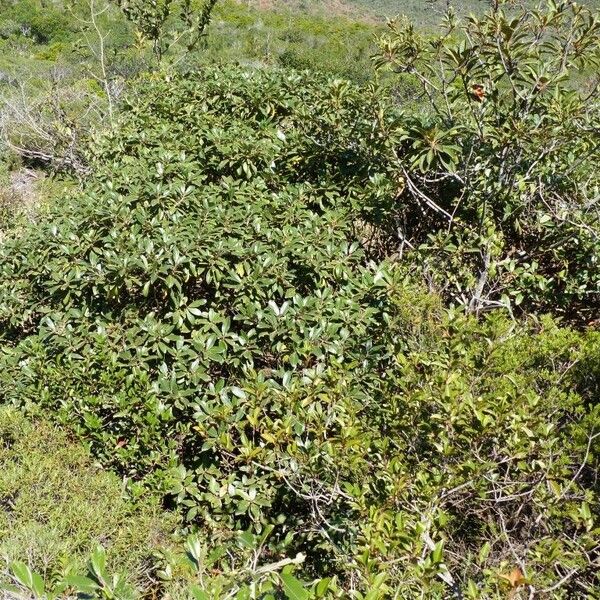
- 🍃 Small Glossy Foliage: The leaves are relatively small, oval-shaped, and a deep, waxy green, providing a lush backdrop for the exotic flowers.
- ⚔️ Hidden Thorns: Look closely at the leaf axils; this plant is armed with sharp, straight spines that grow along the woody stems.
🏡 In Your Garden
- 🧱 A Living Barrier: Because of its scrambling habit and sharp thorns, it is often used as a "security hedge." It grows densely and becomes almost impenetrable, making it a beautiful way to create privacy or direct foot traffic.
- ✂️ Bonsai Potential: Despite its wild nature, Gmelina evoluta is a favorite for bonsai enthusiasts. It responds exceptionally well to heavy pruning and "wiring," and the woody trunk develops a rugged, aged look quite quickly.
- ☀️ Sun-Seeker: This plant thrives on heat. It is incredibly drought-tolerant once the root system is established, but it will drop its leaves if it gets too cold or if it is kept in a dark corner.
⚠️ Safety & Toxicity
- 🌵 Physical Hazard: The primary safety concern is the thorns. They are stiff and sharp enough to puncture skin easily. Always wear thick gardening gloves when pruning or repotting.
- 🐾 Pet Safety: While not considered highly toxic like a Lily or Oleander, the plant is not edible. Ingestion of the leaves or small fruits may cause mild digestive upset in cats or dogs.
- 🚶♂️ Placement: Avoid planting this near narrow walkways or children's play areas where someone might accidentally brush against the spines.
✨ Fun Fact
In various Southeast Asian cultures, the juice from the fruit of the Gmelina is used as a traditional remedy for skin irritations and athlete’s foot because it contains natural antimicrobial compounds!

Detailed Care Instructions








