Plant Overview
Often called the Leerén or Sweet Corn Root, Goeppertia allouia is a Caribbean treasure that hides a delicious secret underground. While its cousins in the Marantaceae family are usually prized for their neon-patterned foliage, this plant is a staple of traditional tropical agriculture. It is beloved for producing small, egg-shaped tubers that taste remarkably like fresh sweet corn and have been cultivated in the Americas for thousands of years.
🔍 How to Identify
- 🍃 The Foliage: Large, ovate leaves that look similar to a Canna Lily or a standard Calathea. They are typically a solid, vibrant green with a slightly wavy margin and a papery texture.
- 📏 The Stalks: Long, slender petioles (leaf stems) emerge directly from the base, forming a lush, upright clump that can reach up to 3 or 4 feet in height.
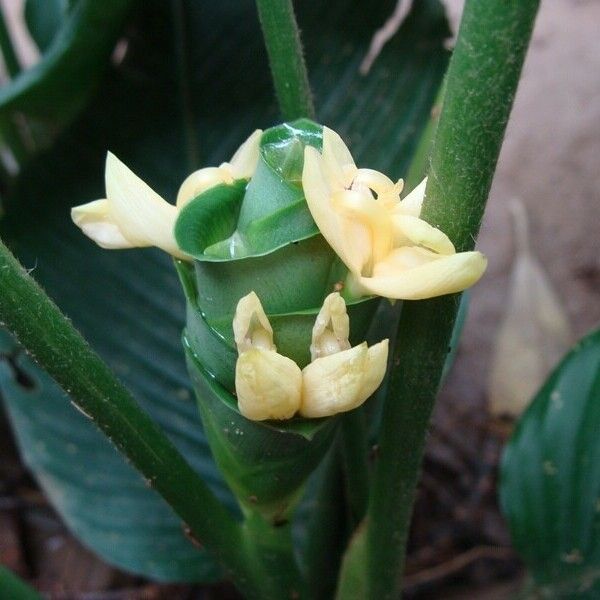
- 🌼 The Bloom: It produces a compact, cone-shaped white flower spike that emerges from the center of the plant, though it rarely blooms when kept as a strictly indoor specimen.
🏡 In Your Garden
- 💧 Tropical Humidity: Like all "Prayer Plants," the Leerén is a humidity snob. It thrives in dappled light and moist air; if the environment is too dry, the leaf edges will quickly turn brown and "crispy," signaling distress.
- 🍲 Harvesting Patience: If you are growing it for food, be prepared to wait. It takes roughly 9 to 11 months for the crunchy tubers to develop. They are usually harvested once the foliage begins to yellow and die back at the end of the season.
- 🌱 The Taproot Myth: While many tubers are hardy, Goeppertia allouia has a sensitive root system. It dislikes being moved once established, so choose a permanent, well-draining spot with plenty of organic compost to allow those tubers to expand freely.
⚠️ Safety & Toxicity
- ✅ Safe Status: This plant is considered non-toxic to humans, cats, and dogs. It is a member of the "Prayer Plant" family, which is famous for being pet-friendly.
- 🍽️ Culinary Use: The tubers are not just safe; they are a delicacy! They are traditionally boiled in salt water. Unlike a potato, they do not become soft or mealy when cooked, maintaining a snappy, refreshing bite.
✨ Fun Fact
The Leerén is known for its "unsinkable crunch." Because of its unique cell structure, the tuber remains crisp even after hours of boiling or being canned, making it the tropical version of a water chestnut!

Detailed Care Instructions
Goeppertia allouia, commonly known as Leren, is a tropical plant notable for its edible tubers. Growing this plant successfully requires understanding its native habitat and replicating those conditions as closely as possible. Here are some detailed steps to help you grow Goeppertia allouia:
1. Climate and Location
- Climate: Goeppertia allouia thrives in warm, humid environments. It is native to tropical regions and prefers temperatures between 75-85°F (24-29°C). It is not frost-tolerant, so if you live in a temperate climate, consider growing it indoors or in a greenhouse.
- Sunlight: This plant prefers partial shade to full shade. Direct sunlight can scorch its leaves, so it’s best placed where it can receive filtered light.
2. Soil Requirements
- Soil Type: Well-draining soil is ideal. A mix of loamy soil with plenty of organic matter works best. You can use a general potting mix and enhance it with compost or well-rotted manure to improve fertility.
- pH: Slightly acidic to neutral soil (pH 5.5-7.0) is preferred.
3. Planting Process
- Tubers: Goeppertia allouia is usually grown from its tubers rather than from seeds. Source healthy tubers from a reputable supplier.
- Planting Depth and Spacing: Plant the tubers about 1-2 inches (2.5-5 cm) below the soil surface, spacing them 12-18 inches (30-45 cm) apart to allow room for growth.
4. Watering
- Humidity: Maintain high humidity around the plant. Regular misting can help, especially if you’re growing it indoors.
- Watering: Keep the soil consistently moist but not waterlogged. Overwatering can lead to root rot. Water the plant when the top inch of soil feels dry to the touch.
5. Fertilizing
- Fertilizer: Feed the plant with a balanced, water-soluble fertilizer every 4-6 weeks during the growing season (spring and summer). Reduce feeding during the dormant period (fall and winter).
6. Care and Maintenance
- Mulching: Apply a layer of organic mulch around the base of the plant to help retain soil moisture and regulate temperature.
- Pruning: Remove any yellow or dead leaves to maintain the plant’s appearance and health.
- Pest Control: Keep an eye out for common pests such as aphids, spider mites, and mealybugs. Manage infestations with insecticidal soap or neem oil.
7. Harvesting
- Harvest Time: The tubers can usually be harvested about 6-8 months after planting. The plant will typically signal readiness for harvest when the foliage starts to wither and die back.
- Harvesting Method: Carefully dig up the tubers, taking care not to damage them. Use a garden fork or spade to lift them from the soil.
8. Propagation
- Dividing Tubers: After harvesting, you can propagate Goeppertia allouia by saving some of the smaller tubers or splitting larger ones. Ensure each division has a growing point or "eye."
By following these guidelines, you should be able to successfully grow and enjoy Goeppertia allouia, whether for its ornamental qualities or its edible tubers.
Goeppertia Allouia is a tropical plant that thrives in environments with high humidity and consistent moisture. Here's how to water it properly:
- Frequency: Water the plant consistently to keep the soil slightly moist. It’s important to establish a routine, typically watering once a week, but this can vary depending on the specific climate and indoor conditions.
- Soil Moisture: The soil should remain consistently damp but not waterlogged. You can check the moisture level by sticking your finger about an inch into the soil; if it feels dry at that depth, it’s time to water.
- Water Quality: Use room-temperature, distilled, or rainwater if possible, as this plant can be sensitive to chemicals found in tap water, such as chlorine and fluoride.
- Watering Technique: Water the plant thoroughly until water starts to drain out of the bottom of the pot. This ensures the entire root system gets hydrated. Make sure to empty the drainage tray afterward to prevent root rot.
- Humidity Requirements: This plant appreciates a humid environment. To increase humidity, you can use a humidifier, place a tray of water near the plant, or mist the plant regularly. However, be cautious with misting to avoid fungal issues; ensure good air circulation around the plant.
- Seasonal Adjustments: In the growing season (spring and summer), the plant might require more water due to increased evaporation and growth rates. In contrast, during the dormant season (fall and winter), you can slightly reduce the watering frequency, allowing the top layer of soil to dry out a bit more between waterings.
By adhering to these guidelines, you can ensure that the plant receives the appropriate amount of water, fostering healthy growth and maintaining its vibrant foliage.
For Goeppertia Allouia, follow these fertilizing instructions to ensure it remains healthy and vibrant:
- Type of Fertilizer: Use a balanced, water-soluble fertilizer with an N-P-K ratio of 10-10-10 or 20-20-20. You can also use a fertilizer formulated for houseplants.
- Dilution: Dilute the fertilizer to half the strength recommended by the manufacturer. This helps prevent over-fertilization, which can cause root burn or other issues.
- Frequency: Fertilize the plant every 4-6 weeks during the growing season, which typically runs from spring to early fall.
- Application: Water the plant thoroughly before applying the diluted fertilizer. Even distribution of nutrients is important. Apply the fertilizer directly to the soil, avoiding the leaves to prevent potential damage.
- Dormant Period: Reduce or completely stop fertilizing during the winter months when the plant's growth slows down. If you do fertilize, do so sparingly and at a highly diluted strength.
- Observation: Monitor the plant for any signs of nutrient deficiency or excess, such as yellowing leaves or browning leaf tips, and adjust your fertilization schedule and concentration accordingly.
By following these guidelines, your Goeppertia Allouia should thrive and maintain its stunning appearance.
Goeppertia allouia thrives best in soil conditions that cater to its native tropical environment. Here are some critical aspects of the soil suitable for this plant:
- Well-Draining Soil: The soil must facilitate good drainage to prevent root rot. A mixture that includes perlite, pumice, or coarse sand can help improve drainage.
- Rich in Organic Matter: The plant benefits from a nutrient-rich soil. Incorporating organic compost or well-decomposed leaf mold can provide the essential nutrients and enhance soil structure.
- Slightly Acidic to Neutral pH: The ideal pH range for this species is between 5.5 to 7.0. Ensure the soil isn't too alkaline, as this could hinder nutrient uptake.
- Moisture Retentive Yet Airy: The soil should retain sufficient moisture for the plant but should also allow for adequate air flow around the roots. A blend that includes peat moss or coco coir can help retain moisture while keeping the soil light and aerated.
- Loamy Texture: A well-textured loamy soil, which is a balanced mixture of sand, silt, and clay, ensures that the plant has the proper balance of drainage, nutrient availability, and moisture retention.
When creating a potting mix, a suitable composition might be:
- 50% potting soil
- 25% perlite or pumice
- 25% organic compost or peat moss
Ensure your planting container has drainage holes to avoid water accumulation at the bottom, which can lead to detrimental conditions for the roots. Regularly monitor the soil moisture and adjust watering practices accordingly to maintain an optimal balance.
Propagating Goeppertia allouia involves a few specific steps to ensure successful growth. This tropical plant, belonging to the Marantaceae family, can be propagated through division or by using its tubers. Here’s how you can do it:
Propagation by Division
1. Timing:
- The best time to perform division is during the growing season, typically in the spring or early summer when the plant is actively growing.
2. Preparing the Plant: - Carefully remove the plant from its container or dig it up if it's in the ground.
- Gently shake off the soil from the roots to expose the root system.
3. Dividing the Plant: - Locate natural divisions in the root mass. These are often visible as separate clumps of stems or shoots.
- Use a clean, sharp knife or garden shears to divide the plant into smaller sections. Each section should have a good number of roots and at least one or two stems.
4. Replanting: - Prepare pots with a well-draining potting mix that retains moisture but doesn’t become waterlogged.
- Plant each division into its own pot, ensuring the roots are buried and the stems are upright.
- Water the newly potted divisions thoroughly and place them in a warm, humid location with indirect light.
Propagation by Tubers
1. Harvesting Tubers: - During the dormant season or early in the growing season, carefully dig around the base of the plant.
- Look for mature tubers, which can often be found just below the soil surface.
2. Preparing Tubers: - Select healthy tubers that are free from disease or rot.
- Clean the tubers and allow them to dry for a day in a shaded area.
3. Planting Tubers: - Prepare pots with a well-draining substrate, such as a mix of peat and perlite or a standard potting mix with added sand for drainage.
- Plant the tubers about 1-2 inches deep in the soil, with any visible buds facing upward.
4. Care: - Water the soil to keep it evenly moist but not soggy.
- Place the pots in a warm, humid environment with indirect light.
- Maintain humidity by misting the plants regularly or using a humidity tray.
General Care Tips for Propagation Success
- Humidity: Goeppertia allouia thrives in humid environments. Use a humidifier or mist the leaves regularly if you live in a dry climate.
- Light: Provide bright, indirect light. Direct sunlight can scorch the leaves, while too little light can hinder growth.
- Watering: Keep the soil consistently moist but not waterlogged. Overwatering can lead to root rot.
- Temperature: Maintain a warm temperature range between 65-80°F (18-27°C). Protect the plant from drafts and sudden temperature changes.
By following these steps, you can successfully propagate Goeppertia allouia and enjoy the growth of new plants.







