Plant Overview
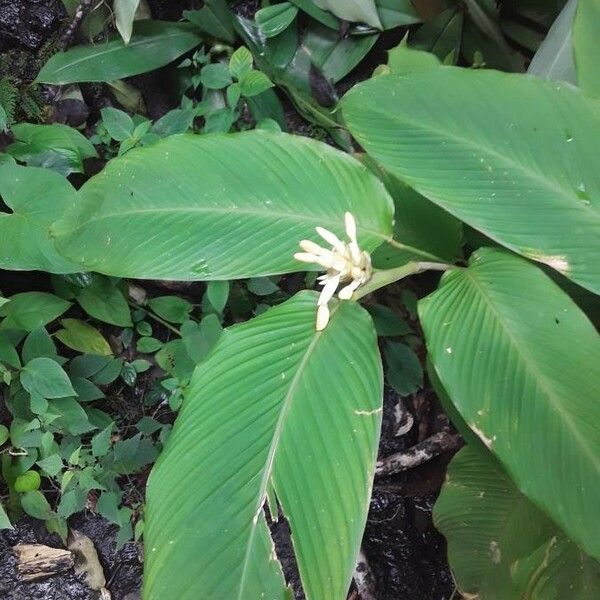
Known to many as the "Topee Tambu" or simply as a member of the diverse Prayer Plant family, Goeppertia macrosepala is a lush, tropical standout. While its cousins are often prized for flashy neon stripes, this plant offers a more sophisticated, deep-green elegance. In some parts of the Caribbean and South America, it isn’t just a houseplant—it’s a traditional food source, cherished for its crunchy, edible tubers.
🔍 How to Identify
- 🍃 The Foliage: Large, broad, oval leaves that resemble a paddle. They are typically a vibrant, rich green with subtle, darker green "feathering" along the center vein.
- 🙏 The Movement: Like all prayer plants, it practices nyctinasty. The leaves stand upright at night as if in prayer and lower during the day to catch the sun.
- 🪹 The Bloom: It produces unique, cone-like flower spikes (bracts) that emerge from the base, often looking like small, green pinecones or beehives.
🏡 In Your Garden
- ☁️ The Humidity Requirement: This plant is a true jungle dweller. It craves high humidity; without it, the edges of those beautiful leaves will quickly turn brown and crispy.
- 💧 Mineral Sensitivity: It can be quite a "diva" regarding water quality. It dislikes the chlorine and fluoride found in tap water. Using distilled water or rainwater will keep the leaf tips from burning.
- 🌤️ Light Nuance: It prefers "dappled" light. Think of the forest floor—bright enough to see, but never under the direct, scorching gaze of the sun, which can bleach its green patterns.
⚠️ Safety & Toxicity
- ✅ Status: Non-toxic and safe.
- 🐾 Details: This plant is perfectly safe for households with curious cats, dogs, or toddlers. While it is technically non-toxic, it's best to keep it out of reach to protect its delicate leaves from "playful" teeth and hands.
✨ Fun Fact
In the Caribbean, the tubers of Goeppertia macrosepala are known as "Topinambur" or "Topee Tambu." When boiled, they have a texture similar to a water chestnut and a sweet flavor reminiscent of corn!

Detailed Care Instructions
To grow a Goeppertia Macrosepala plant, also known as the prayer plant, you can follow these steps:
- Choose a suitable location: Goeppertia Macrosepala prefers bright, indirect light. Avoid placing it in direct sunlight as it can scorch the leaves. A north or east-facing window is usually ideal.
- Provide the right temperature: Goeppertia Macrosepala thrives in temperatures around 65-80°F (18-27°C). Avoid exposing it to drastic temperature changes or drafts.
- Water properly: Keep the soil consistently moist but not waterlogged. Water the plant when the top inch of soil feels dry to the touch. Ensure that the pot has drainage holes to avoid waterlogging.
- Maintain humidity: Goeppertia Macrosepala prefers a humid environment. You can increase humidity by placing a tray of water near the plant, using a humidifier, or misting the leaves with water regularly.
- Fertilize regularly: Feed your prayer plant with a balanced houseplant fertilizer once a month during the growing season (spring and summer). Follow the fertilizer instructions for dosage.
- Repot when necessary: If your plant outgrows its pot or the soil becomes compacted, consider repotting it. Use a well-draining potting mix and choose a pot that is slightly larger than the current one.
- Prune occasionally: To maintain a compact and bushy shape, you can prune your Goeppertia Macrosepala plant. Remove any leggy or dead growth, and trim the plant to the desired shape.
- Watch for pests and diseases: Keep an eye out for common houseplant pests such as spider mites and mealybugs. Treat any infestations promptly with appropriate insecticides or natural remedies.
Remember, each plant has specific care requirements, so it's best to research and follow any additional guidelines specific to Goeppertia Macrosepala to ensure its proper growth and health.
To water this type of plant, you should first check the soil moisture with your fingers. If the soil feels dry to the touch, it is time to water. Choose a watering can or pitcher with a narrow spout to ensure you do not over-water or damage the leaves. Fill the container with room temperature water and slowly pour water onto the soil around the base of the plant, taking care not to get any water on the leaves. Allow the excess water to drain into a saucer or tray and discard the excess water. It is important not to let the plant sit in standing water, as this can rot the roots. Water the plant once a week or as needed based on humidity and temperature.
To fertilize this plant, use a water-soluble plant food during the growing season from spring to fall. Dilute the fertilizer to half strength and apply every 2-4 weeks to avoid over-fertilizing. During the winter months, reduce the frequency to once a month. Be sure to water the plant thoroughly before applying fertilizer to prevent root burn.
The ideal soil for growing the plant known as Goeppertia Macrosepala is a well-draining mix that is slightly acidic with a pH level between 5.5 and 6.5. It should contain a combination of organic materials such as peat moss, compost, and bark, as well as coarse sand or perlite to improve drainage. The soil should be moist but not waterlogged, as excessive moisture can lead to root rot. Adding a slow-release fertilizer that is rich in nitrogen can also help to promote healthy growth and vibrant foliage.
To propagate this plant, first select a healthy parent plant with several stems. Using a pair of sterile pruning shears, carefully cut off several stems along with a small cluster of leaves at the base.
Next, fill a small pot with well-draining soil mix. Moisten the soil lightly. Make a hole in the soil with your finger or a chopstick, and gently insert the stem into the hole. Cover the stem with soil, pressing gently to ensure good contact. Repeat with as many stems as you wish to propagate.
Place the pot in an area with bright, indirect sunlight and keep the soil moist but not soggy. Use a spray bottle to mist the leaves periodically to maintain humidity.
After a few weeks, check for signs of new growth. Once you see that the stems have started to develop new leaves or have grown roots, the cutting has successfully rooted. You can then transplant it to a larger pot with fresh soil.
Continue to care for the new plant as you would for a mature plant. It is important to note that propagation can be tricky, and not all cuttings will succeed. However, with patience and proper care, you may be able to successfully propagate this plant.








