Plant Overview
Often called the Majestic Prayer Plant or the "Whitestar," Goeppertia majestica is a show-stopping tropical gem hailing from the dense rainforests of South America. It is widely considered one of the most sophisticated members of the Marantaceae family due to its impressive size and pinstriped elegance. Like its relatives, this plant is famous for its "circadian rhythm," performing a slow, graceful dance where it folds its leaves upward every evening as if in prayer.
🔍 How to Identify
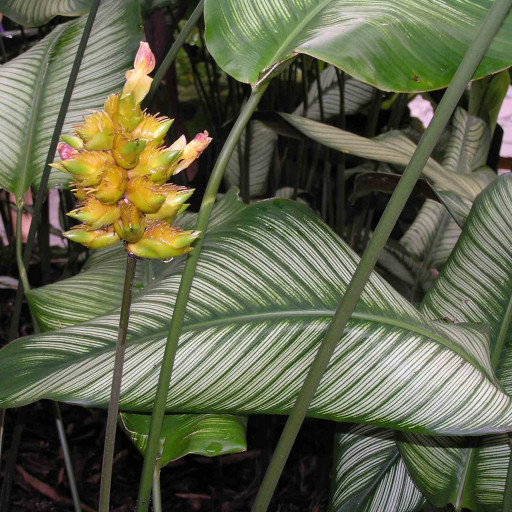
- 🌿 The Foliage: Large, lance-shaped leaves that can grow significantly bigger than common Calatheas, featuring a deep emerald green base.
- 🎨 The Pattern: Fine, delicate white or pale pink pinstripes that radiate from the central vein toward the leaf edges, looking almost as if they were painted on by a steady hand.
- 🍷 The Underside: Flip a leaf over to find a rich, regal burgundy or deep purple lining, a classic trait that helps the plant capture extra light on the dim jungle floor.
🏡 In Your Garden
- ☁️ Humidity is Vital: Because this plant originated in the humid understory of the Brazilian rainforest, it struggles with dry indoor air. If the leaf edges begin to turn brown and crispy, it is likely a plea for a humidifier or a pebble tray.
- 💧 Chemical Sensitivity: Goeppertia majestica is a bit of a diva when it comes to water quality. It is highly sensitive to the chlorine and fluoride found in most tap water; using filtered or rainwater will prevent the unsightly "chemical burns" often seen on the tips of the leaves.
⚠️ Safety & Toxicity
- ✅ Status: Non-toxic and pet-safe.
- 🐾 Details: This plant is a wonderful choice for households with curious cats or dogs. Unlike many other tropical houseplants (like Lilies or Philodendrons), it contains no calcium oxalate crystals and is perfectly safe if an accidental nibble occurs.
✨ Fun Fact
The movement of this plant's leaves is called nyctinasty. It is controlled by a "joint" at the base of the leaf called the pulvinus, which changes pressure to move the leaf toward the light during the day and tuck it away at night to prevent water loss!

Detailed Care Instructions
To grow a Goeppertia majestica, also known as a Calathea majestica or 'Medallion' plant, you can follow these steps:
- Start with a healthy plant: Purchase a healthy Goeppertia majestica plant from a reputable nursery or garden center, or you can propagate it from a mature plant.
- Provide the right conditions:
- Lighting: Place the plant in a spot with bright, indirect light. Avoid direct sunlight as it can scorch the leaves.
- Temperature: Maintain a temperature between 60-80°F (15-27°C). Avoid cold drafts or sudden temperature changes.
- Humidity: Goeppertia majestica prefers high humidity. You can increase humidity by placing the pot on a tray filled with water and pebbles or using a humidifier.
- Watering: Keep the soil consistently moist but not waterlogged. Water when the top inch of the soil feels slightly dry, and ensure proper drainage to prevent root rot.
- Lighting: Place the plant in a spot with bright, indirect light. Avoid direct sunlight as it can scorch the leaves.
- Soil and potting: Use a well-draining potting mix that retains some moisture but allows excess water to flow out. A mix of peat moss, perlite, and potting soil can work well. Choose a pot with drainage holes to prevent waterlogging.
- Fertilization: Feed the plant with a balanced, water-soluble fertilizer once a month during the growing season (spring and summer). Follow the package instructions for dosage.
- Pruning and maintenance: Remove any discolored, damaged, or dead leaves regularly to maintain the plant's overall appearance. This will also help prevent pest infestations.
- Propagation: You can propagate Goeppertia majestica through division. Divide the plant during repotting by carefully separating the root clumps with a clean, sharp knife. Ensure that each division has healthy roots and several shoots before planting.
- Pest control: Keep an eye out for common houseplant pests like spider mites and mealybugs. Regularly inspect the plant and treat any infestations promptly with horticultural soap or insecticidal spray.
Remember, Goeppertia majestica requires some attention and care, but with the right conditions and maintenance, it can thrive and grow into a beautiful, lush houseplant.

Place in a window with dappled sun or a spot in the middle of a room. Or directly in a window facing west or east.
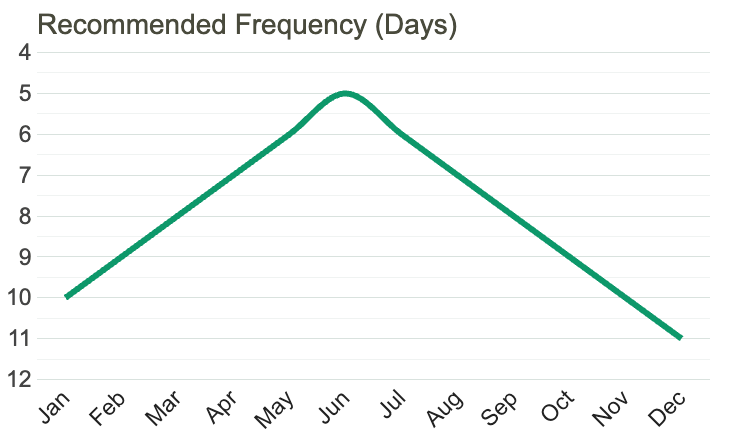
This plant should be watered regularly, but be sure to let the soil dry out slightly between waterings. Overwatering can lead to root rot. When watering, make sure to thoroughly saturate the soil and allow excess water to drain away. It is best to use room temperature or lukewarm water to avoid shocking the plant. Avoid getting water on the foliage or in the center of the plant, as this can lead to fungal growth. During the winter months, reduce watering and allow the soil to dry out more between waterings.
- Choose a balanced, slow-release fertilizer with equal or slightly higher proportions of nitrogen, phosphorous, and potassium.
- Mix the recommended amount of fertilizer with water according to package instructions.
- Water the plant thoroughly before applying fertilizer.
- Apply the diluted fertilizer to the soil around the plant, being careful not to get it on the leaves.
- Repeat fertilization every 4-6 weeks during the growing season (spring and summer).
- Reduce fertilization during fall and winter, and avoid fertilizing during the plant's dormant period.
- Always follow instructions on the fertilizer package to avoid over-fertilization, which can harm the plant.
When planting Goeppertia Majestica, it is important to use a soil mix that allows for good drainage to prevent root rot. A recommended soil mix would be a well-draining mix of loamy soil and perlite. Additionally, adding a small amount of organic matter, such as compost or leaf mold, can help improve soil structure and nutrient availability for the plant. The pH level of the soil should also be around neutral (around 7) for optimal growth.
To propagate this plant, start by taking a healthy stem cutting from the main plant. Make sure the cutting is at least 5-6 inches long and has 2-3 leaves attached.
Next, remove the lower leaves from the cutting, leaving only 1-2 leaves at the top. This will help the cutting focus its energy on developing roots instead of maintaining leaves.
Dip the cut end of the stem in rooting hormone powder and then plant it in a small pot filled with moist and well-draining potting mix. Cover the pot with a plastic bag or wrap to create a humid environment and place it in a bright, indirect light location.
Check the soil moisture regularly and mist the plant and soil lightly if it looks dry. After a few weeks, the cutting should start to develop roots. You can gently tug on the plant to see if it has rooted.
Once you see signs of new growth and the roots have developed, it's time to transplant the new plant into a larger pot with fresh soil and continue caring for it as you would with the parent plant.
Common pests of the majestic prayer plant include Mealybugs, spider mites, thrips. Make a habit of checking your majestic prayer plant frequently for pests so that any infestations can be caught and managed early.