Plant Overview
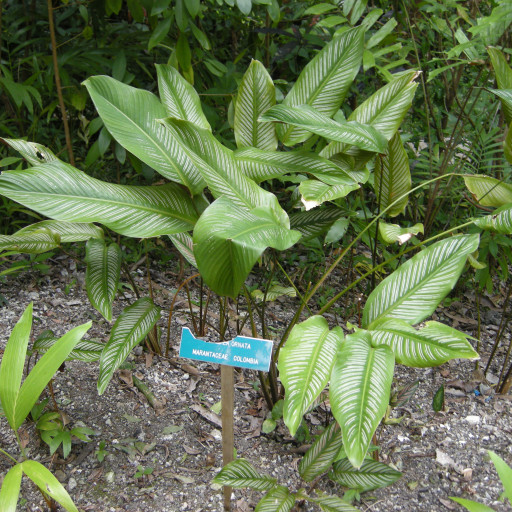
Often called the Pinstripe Calathea, this South American beauty looks like it was hand-painted by an artist with an incredibly steady hand. Its deep emerald leaves are etched with delicate, neon-pink lines that give it a sophisticated, "tailored" appearance. As a member of the "Prayer Plant" family, it is a dynamic addition to any room, moving its foliage in a rhythmic daily dance.
🔍 How to Identify
- 🎨 The Pinstripes: Look for thin, parallel lines that look like fine embroidery. These start as a vibrant rose-pink and often fade to a creamy white as the leaf ages.
- 🍷 The Underside: If you flip a leaf over, you’ll find a rich, matte burgundy or deep purple color that provides a stunning contrast to the green surface.
- 📏 The Stature: Unlike some creeping varieties, the Ornata grows in elegant, upright clumps with large, oval leaves sitting atop long, sturdy stems.
🏡 In Your Garden
- 🌫️ Humidity is Queen: This plant doesn't just like humidity; it breathes it. Originating from the misty floors of Colombian rainforests, it will develop "crispy" brown edges if the air in your home is too dry.
- 💧 The "Water Snob" Factor: It is notoriously sensitive to chemicals. If you use tap water containing fluoride or chlorine, the plant may protest with yellowing leaves. It much prefers distilled, rain, or filtered water.
- 🚫 Sun Sensitivity: Because it is adapted to the dappled light of the forest floor, direct sunlight will "bleach" the beautiful pink stripes, turning the leaves a dull, washed-out green.
⚠️ Safety & Toxicity
- 🐾 Pet-Friendly: This is a fantastic choice for pet owners! It is entirely non-toxic to both cats and dogs, making it a "worry-free" decorative piece.
- 👶 Safe for Humans: It carries no known toxins for humans and does not cause skin irritation, making it safe for households with curious children.
✨ Fun Fact
The Pinstripe Plant is a "living clock." It practices a behavior called nyctinasty, where it folds its leaves upward at night like hands in prayer to conserve moisture and protect its surfaces. When the sun rises, it slowly unfurls them again to catch the light!

Detailed Care Instructions
| Lighting | Part Sun |
| Hardiness Zones | Min 12 |
To grow a Goeppertia Ornata plant, commonly known as a prayer plant, you can follow these steps:
- Select a suitable pot: Choose a pot that is slightly larger than the current pot of the plant. Ensure it has good drainage holes to prevent waterlogging.
- Soil and potting mix: Use a well-draining potting mix that retains some moisture but does not become waterlogged. A mixture of peat moss, perlite, and compost works well.
- Light requirements: Prayer plants prefer bright, indirect light. Avoid direct sunlight as it can scorch the leaves. Place the plant near a window with filtered sunlight or use a sheer curtain to provide indirect light.
- Temperature and humidity: Maintain a warm temperature between 65-80°F (18-27°C). Prayer plants prefer high humidity levels, so you can mist the plant regularly or place a tray of water nearby to increase humidity.
- Watering: Prayer plants like to be kept evenly moist but not soggy. Water when the top inch of the soil feels dry. Avoid letting the plant sit in standing water, as it can lead to root rot.
- Fertilizing: Feed your Goeppertia Ornata plant with a balanced houseplant fertilizer once a month during the growing season (spring and summer). Follow the instructions on the fertilizer packaging for application rates.
- Pruning: Trim away any dead or yellowing leaves regularly to maintain a healthy appearance. You can also trim back leggy growth to encourage bushier growth.
- Propagation: Prayer plants can be propagated through root division. Carefully divide the plant at the roots and plant each section in its own pot with fresh soil.
- Repotting: As the plant grows, you may need to repot it every 1-2 years. When repotting, choose a slightly larger pot and refresh the soil.
By following these steps, you can provide the optimal growing conditions for your Goeppertia Ornata plant and promote its healthy growth.

Place in a window with dappled sun or a spot in the middle of a room. Or directly in a window facing west or east.

To properly water this plant, you should allow the top inch of soil to dry out before watering. When watering, use room temperature distilled or filtered water to prevent mineral build-up in the soil. Water the plant until it begins to drain from the bottom of the pot, and then wait for the soil to dry out before watering again. It is important not to overwater as this can lead to root rot and other issues. You can also mist the plant occasionally to help increase humidity, which can be beneficial for this particular species.
To fertilize this plant, use a balanced fertilizer with equal amounts of nitrogen, phosphorus, and potassium. During the growing season (spring and summer), fertilize every two weeks. In the fall and winter, fertilize once a month. Dilute the fertilizer to half strength and apply it to the soil. Avoid getting fertilizer on the leaves or stems, as it can cause damage.
When planting a Goeppertia Ornata, it is important to choose a soil that is well-draining and high in organic matter. This plant prefers a soil that is slightly acidic with a pH range of 5.5 to 6.5.
A recommended mixture for the soil composition is one part coir, one part perlite or coarse sand, and one part peat moss or well-rotted compost. This will provide good drainage, aeration, and nutrient availability.
It is also important to avoid using heavy clay soil as this can lead to poor drainage and root rot. Additionally, using soil that has been contaminated with pesticides or chemical fertilizers can be harmful to the plant.
When repotting, make sure to choose a pot that is slightly larger than the current one to allow the plant to continue growing. Overall, choosing the right soil mixture is important for the health and growth of the Goeppertia Ornata plant.
To propagate this plant, you will need to take a stem cutting from a healthy parent plant. Choose a stem that has at least two or three nodes and make a clean cut just below one of the nodes using a sharp, sterile knife.
Next, remove any leaves from the lower part of the stem, leaving only two or three leaves at the top. This will help the cutting focus its energy on rooting, rather than supporting leaves.
Dip the end of the cutting in rooting hormone powder to encourage root growth, then plant it in a pot filled with well-draining soil. You can use a commercial potting mix, or make your own by combining equal parts of peat moss, perlite, and sand.
Water the cutting thoroughly and cover the pot with a clear plastic bag to create a humid environment. Place the pot in a warm, brightly-lit area, but out of direct sunlight.
Check the soil regularly and water as needed to keep it moist but not soggy. After a few weeks, you should begin to see new growth and roots forming. Once the plant establishes itself, you can gradually acclimate it to drier conditions and lower humidity.
With proper care and patience, your new plant will thrive and grow into a beautiful specimen.
Common pests of the pin stripe plant include Mealybugs, spider mites, thrips. Make a habit of checking your pin stripe plant frequently for pests so that any infestations can be caught and managed early.








