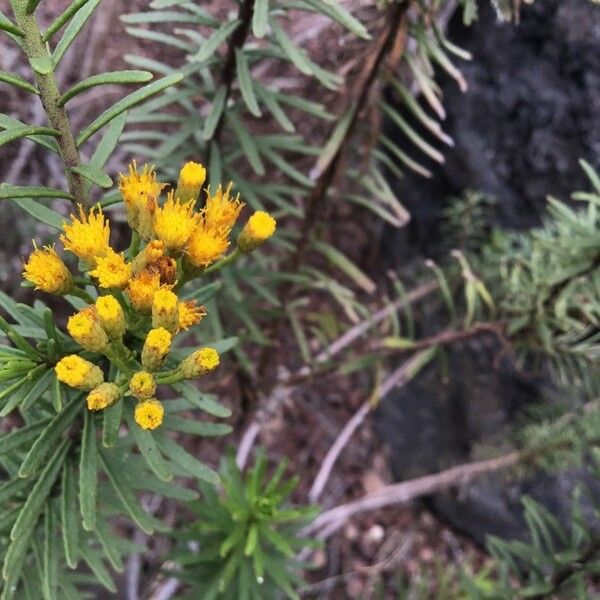
Plant Overview
Often called the "Silver Lace Bush," this striking Canary Island native looks like a spray of frozen frost caught in the Mediterranean sun. Its scientific name, Ptarmiciflorum, translates roughly to "sneezewort-flowered," a nod to its resemblance to plants historically used to induce sneezing. Today, it is a prized ornamental, loved for its luminous, moon-like foliage that glows in the twilight.
🔍 How to Identify
- 🌿 Filigree Foliage: The leaves are deeply lobed and fern-like, covered in dense, microscopic white hairs that give the plant a brilliant silvery-white, metallic sheen.
- 🍳 "Fried Egg" Flowers: In mid-to-late summer, it produces flat-topped clusters of small daisy-like blooms featuring pure white outer petals and bright yellow centers.
- 📏 Growth Habit: It grows as a compact, mounding evergreen shrublet, typically reaching about 2 feet in height and width, maintaining a very neat and architectural form.
🏡 In Your Garden
- ☀️ The Silver Rule: To keep that brilliant white color, this plant requires full, intense sun. If grown in too much shade, the protective white hairs thin out, and the plant will fade to a duller green.
- 🧗 Cliff-Dweller Roots: Because its wild ancestors live on volcanic cliffs, it demands exceptional drainage. It is a perfect candidate for rock gardens or xeriscaping, as it is highly drought-tolerant once established.
- 💨 Humidity Hates: This plant thrives in dry air; in very humid climates, its dense, woolly leaves can trap moisture, making it prone to fungal issues or "melting" in the summer heat.
⚠️ Safety & Toxicity
- ✋ Skin Irritant: As a member of the Asteraceae (Daisy) family, the plant contains sesquiterpene lactones which may cause mild contact dermatitis (skin rash) in sensitive individuals. It is wise to wear gloves when pruning.
- 🐾 Pet Safety: It is generally considered non-toxic to pets, though the bitter oils in the leaves usually discourage dogs and cats from taking more than one experimental nibble.
✨ Fun Fact
Despite being a popular ornamental plant in gardens from California to the UK, Gonospermum ptarmiciflorum is actually quite rare in the wild. It is technically an endangered species, restricted to a few specific rocky ravines on the island of Gran Canaria.

Detailed Care Instructions
Gonospermum ptarmiciflorum, also known as the Canary Island marguerite, is a beautiful shrub native to the Canary Islands. Growing this plant involves specific steps to ensure it thrives, especially if you’re not in its native climate. Here’s a guide to help you grow Gonospermum ptarmiciflorum successfully:
1. Climate and Location
- Climate: This plant prefers a mild, Mediterranean-like climate. It is not very frost-tolerant, so if you live in an area with harsh winters, consider growing it in a pot that can be moved indoors.
- Sunlight: Choose a location with full sun to light shade. It needs plenty of light to thrive but can tolerate some light shade.
2. Soil Requirements
- Soil Type: Well-draining soil is essential. Sandy or loamy soil works best. Avoid heavy clay soils that retain too much moisture.
- Soil pH: A neutral to slightly acidic soil pH (around 6.0 to 7.0) is ideal.
3. Planting
- Seeds or Cuttings: Gonospermum ptarmiciflorum can be grown from seeds or cuttings. Propagating from cuttings is generally faster and more reliable.
- Planting Time: The best time to plant is in the spring after the danger of frost has passed.
Planting from Seeds:
- Seed Preparation: Soak the seeds in water for 24 hours before planting to improve germination.
- Sowing: Sow the seeds in a seed tray filled with a well-draining seed starting mix. Cover them lightly with soil.
- Germination: Keep the soil moist but not waterlogged. Seeds should germinate in 2-4 weeks if kept at a temperature of around 20-25°C (68-77°F).
Planting from Cuttings:
- Cuttings: Take semi-hardwood cuttings of about 4-6 inches long in late summer.
- Rooting Medium: Use a well-draining mix, such as a combination of perlite and peat.
- Rooting Hormone: Dip the cuttings in rooting hormone to enhance root development.
- Planting: Place the cuttings in the rooting medium and keep them moist. Provide a humid environment by covering with a plastic bag or placing them in a propagator.
4. Watering
- Establishment Phase: Keep the soil evenly moist but not soggy until the plant is established.
- Mature Plants: Once established, Gonospermum ptarmiciflorum is somewhat drought-tolerant but will perform best with regular watering. Water when the top inch of the soil is dry.
5. Fertilization
- Feeding: Use a balanced, slow-release fertilizer in the spring. Over-fertilizing can lead to lush foliage at the expense of flowers.
6. Pruning
- Maintenance: Prune lightly after flowering to maintain shape and encourage bushier growth.
- Rejuvenation: Periodically remove old, woody stems to encourage new growth.
7. Pests and Diseases
- Generally, Gonospermum ptarmiciflorum is not prone to serious pest or disease problems. However, keep an eye out for common garden pests like aphids and spider mites. Treat infestations early with appropriate measures, such as insecticidal soap.
8. Overwintering
- Protection: If you are in a region with cold winters, protect the plant from frost by bringing container-grown plants indoors or by covering outdoor plants with mulch and frost protection fabric.
By following these guidelines, you can successfully grow and enjoy Gonospermum ptarmiciflorum, adding a touch of Canary Island charm to your garden!
Watering Gonospermum ptarmiciflorum involves understanding its natural habitat and adjusting your care routine to mimic those conditions. This plant is native to regions with a Mediterranean climate, implying it thrives in well-drained soils and prefers moderate watering.
Here are detailed steps to effectively water Gonospermum ptarmiciflorum:
- Soil Type: Ensure the plant is in well-draining soil. A mix that includes sand or grit can improve drainage and prevent water from pooling.
- Watering Frequency: Water the plant sparingly. During the growing season (spring and summer), let the top inch of soil dry out before watering again. This could range from once a week to once every two weeks, depending on your local climate and soil conditions.
- Watering Amount: When you do water, do so thoroughly. Ensure that water runs through the soil and out of the drainage holes at the bottom of the pot. This ensures the roots receive sufficient moisture but prevents root rot.
- Seasonal Adjustments: Reduce watering significantly in the fall and winter when the plant's growth slows down. Over-watering during this period can lead to root rot.
- Humidity Considerations: Gonospermum ptarmiciflorum does not generally require high humidity. Average household humidity levels are usually sufficient.
- Observation: Regularly inspect the plant for signs of over-watering (yellowing leaves, mushy stems) or under-watering (dry, crispy leaves). Adjust your watering routine accordingly.
By adhering to these guidelines, you can maintain a healthy and vibrant Gonospermum ptarmiciflorum.
Gonospermum ptarmiciflorum is a plant that benefits from regular, balanced fertilization to support its growth and flowering. Here are some detailed fertilizing instructions:
- Timing:
- Early Spring: Begin fertilizing in early spring as the plant starts its active growth phase.
- Feeding Frequency: Fertilize every 4-6 weeks during the growing season, which is typically from early spring to late summer.
- Early Spring: Begin fertilizing in early spring as the plant starts its active growth phase.
- Type of Fertilizer:
- Use a balanced, slow-release granular fertilizer with an equal ratio of nitrogen (N), phosphorus (P), and potassium (K), such as a 10-10-10 or 14-14-14 formulation.
- Alternatively, you can use a water-soluble fertilizer if you prefer more frequent, lighter feedings.
- Use a balanced, slow-release granular fertilizer with an equal ratio of nitrogen (N), phosphorus (P), and potassium (K), such as a 10-10-10 or 14-14-14 formulation.
- Application:
- Granular Fertilizer: Measure the appropriate amount of fertilizer based on the size of the plant and the manufacturer's instructions. Spread the granules evenly around the base of the plant, being careful not to let them touch the stems or leaves directly. Lightly work the granules into the top 1-2 inches of soil, and then water thoroughly to help the nutrients start penetrating the soil.
- Water-Soluble Fertilizer: Dissolve the recommended amount of fertilizer in water as per the package instructions. Water the plants with this solution, ensuring even soaking of the soil around the roots.
- Granular Fertilizer: Measure the appropriate amount of fertilizer based on the size of the plant and the manufacturer's instructions. Spread the granules evenly around the base of the plant, being careful not to let them touch the stems or leaves directly. Lightly work the granules into the top 1-2 inches of soil, and then water thoroughly to help the nutrients start penetrating the soil.
- Precautions:
- Avoid over-fertilizing, as this can lead to nutrient burn or excessive foliage growth at the expense of flowering.
- Ensure the soil is moist before applying the fertilizer to prevent root burn.
- Flush the soil with plain water occasionally to prevent salt build-up from fertilizers.
- Avoid over-fertilizing, as this can lead to nutrient burn or excessive foliage growth at the expense of flowering.
- Organic Options:
- If you prefer organic fertilization, you can use well-composted manure or organic plant food such as compost tea or fish emulsion. These should be applied more frequently, about once every 2-4 weeks during the growing season.
Ensuring proper fertilization will help your Gonospermum ptarmiciflorum thrive and produce abundant blooms.
- If you prefer organic fertilization, you can use well-composted manure or organic plant food such as compost tea or fish emulsion. These should be applied more frequently, about once every 2-4 weeks during the growing season.
Gonospermum ptarmiciflorum thrives best in well-draining soil. Here's a detailed breakdown of the soil requirements for this plant:
- Soil Type: A sandy or loamy soil is ideal. These soil types ensure proper drainage, which is crucial for preventing root rot.
- pH Level: The soil should be slightly acidic to neutral, with a pH level ranging from 6.0 to 7.0.
- Nutrient Content: While these plants do not require highly fertile soil, it's beneficial to use soil that has organic matter. This can be achieved by incorporating compost or well-rotted manure.
- Soil Preparation: Before planting, it's recommended to prepare the soil by loosening it to a depth of at least 12 inches (30 cm). This ensures that the roots can spread easily. You can also mix in some sand or grit if your soil is heavy clay, to improve drainage.
- Mulching: Adding a layer of mulch can help to retain soil moisture and reduce weed competition, although it's important not to let the mulch touch the base of the plant to prevent rot.
- Watering: Ensure that watering is done in a way that doesn't waterlog the soil. Consistent but moderate watering is preferred, allowing the soil to dry out slightly between watering sessions.
- Environmental Considerations: This plant prefers a sunny location, so choose a spot that receives ample sunlight.
By adhering to these soil guidelines, you can create an optimal growing environment for Gonospermum ptarmiciflorum, promoting healthy growth and vibrant foliage.
Propagating Gonospermum ptarmiciflorum can be achieved through either seed sowing or cuttings. Here’s a detailed guide on how to propagate this plant:
Propagation by Seeds:
- Seed Collection:
- Collect mature seeds from the plant after the flowering period.
- Clean the seeds to remove any debris or plant material.
- Collect mature seeds from the plant after the flowering period.
- Preparation:
- Fill small pots or seed trays with a well-draining seed compost or a mix of peat and sand.
- Moisten the compost before sowing.
- Fill small pots or seed trays with a well-draining seed compost or a mix of peat and sand.
- Sowing Seeds:
- Sow the seeds on the surface of the compost.
- Lightly press them into the soil; do not cover them completely, as some light may be required for germination.
- Sow the seeds on the surface of the compost.
- Germination:
- Place the pots or trays in a warm environment with temperatures around 18-21°C (65-70°F).
- Keep the compost moist but not waterlogged.
- Germination can take several weeks to a few months, depending on conditions.
- Place the pots or trays in a warm environment with temperatures around 18-21°C (65-70°F).
- Transplanting:
- Once seedlings have developed a few true leaves, they can be carefully transplanted into individual pots with a similar well-draining compost mixture.
- Gradually acclimate them to outdoor conditions if they were grown indoors.
Propagation by Cuttings:
- Once seedlings have developed a few true leaves, they can be carefully transplanted into individual pots with a similar well-draining compost mixture.
- Selection of Cuttings:
- Choose healthy, non-flowering stems that are semi-ripe (partly mature).
- Cut lengths of about 10-15 cm (4-6 inches) just below a node (where the leaf joins the stem).
- Choose healthy, non-flowering stems that are semi-ripe (partly mature).
- Preparation:
- Remove the lower leaves from the bottom half of the stem cutting.
- Optionally, dip the cut end in rooting hormone to promote root development.
- Remove the lower leaves from the bottom half of the stem cutting.
- Planting the Cuttings:
- Fill pots with a well-draining compost mix, such as a combination of peat and perlite or sand.
- Insert the cut end of each cutting into the compost, ensuring at least one node is below the surface.
- Fill pots with a well-draining compost mix, such as a combination of peat and perlite or sand.
- Rooting:
- Water the compost lightly to settle it around the cuttings.
- Cover the pots with a plastic bag or place them in a propagator to maintain humidity.
- Place the pots in a bright location but out of direct sunlight.
- Water the compost lightly to settle it around the cuttings.
- Aftercare:
- Keep the compost moist but avoid overwatering, as this can cause rot.
- Roots should develop in several weeks to a few months.
- Once rooted, gradually acclimate the plants to normal humidity levels by removing the plastic cover or opening the propagator vent.
- Keep the compost moist but avoid overwatering, as this can cause rot.
- Transplanting:
- When strong roots have formed and new growth is evident, the cuttings can be transplanted into larger pots or directly into the garden.
By carefully following these steps, you can successfully propagate Gonospermum ptarmiciflorum and enjoy new plants in your garden or indoor collection.
- When strong roots have formed and new growth is evident, the cuttings can be transplanted into larger pots or directly into the garden.








