Plant Overview
Known as "Upland Cotton" or "Mexican Cotton," Gossypium hirsutum is the most important fiber plant in the world, responsible for nearly 90% of global cotton production. Native to the Americas, this sun-loving shrub belongs to the Mallow family, making it a close cousin to the Hibiscus and Okra. While often grown in massive industrial fields, its striking flowers and iconic fluffy seed pods make it a fascinating conversation piece for home gardeners.
🔍 How to Identify
- 🍃 Lobed Foliage: The leaves are broad, dark green, and heart-shaped, typically featuring three to five pointed lobes with a soft, slightly hairy texture.
- 🌸 Hibiscus-like Blooms: It produces large, elegant flowers that emerge creamy white or pale yellow, only to turn a deep pink or lavender before falling off a few days later.
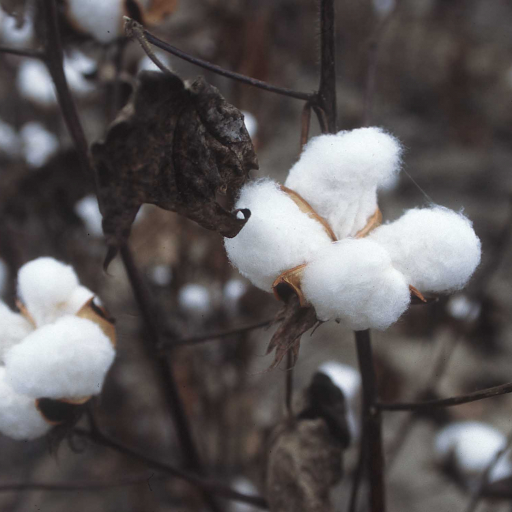
- ☁️ The Cotton Boll: After the flower drops, a green, egg-shaped pod (the boll) develops, which eventually dries and bursts open to reveal the iconic "snowball" of white fibers.
🏡 In Your Garden
- ☀️ Sun Seekers: This plant is a true sun-worshipper; it requires high heat and a long growing season to successfully produce bolls. If you live in a cooler climate, it thrives best in a dark-colored pot that absorbs and retains heat.
- 🪴 Taproot Sensitivity: Cotton develops a deep, sensitive taproot very quickly. It hates being moved once established, so it is best to sow seeds directly into their final sunny spot or use biodegradable peat pots to avoid transplant shock.
⚠️ Safety & Toxicity
- 🤢 Internal Toxicity: The entire plant contains gossypol, a natural toxin used to ward off insects. While humans don't usually eat cotton, the seeds and leaves should never be consumed.
- 🐾 Pet Warning: Gossypol can be toxic to dogs, cats, and livestock if ingested in large quantities, potentially leading to respiratory or heart issues. Always keep curious pets away from the fallen seeds.
✨ Fun Fact
Your pocket money might be made of this! In the United States, "paper" currency is actually a blend of 75% cotton and 25% linen, meaning Gossypium hirsutum is literally the fabric of the economy.

Detailed Care Instructions
To grow Gossypium hirsutum, also known as upland cotton, you will need to follow these steps:
- Climate and growing conditions: Gossypium hirsutum thrives in warm and humid climates. It requires a frost-free period of at least 160-180 days. The ideal temperature range for growth is between 60-95°F (16-35°C). Make sure your region has these conditions before proceeding.
- Soil preparation: This plant prefers well-drained, sandy loam or silt loam soil with a pH level between 5.5 and 8.0. Prepare the soil by removing weeds and incorporating organic matter like compost or well-rotted manure. This will improve soil fertility and drainage.
- Seed selection: Choose high-quality cotton seeds from a reputable source. You can select traditional varieties or genetically modified ones, depending on your preference and local regulations.
- Planting: Gossypium hirsutum can be directly sown or started indoors and transplanted later. The recommended spacing is about 1-2 feet (30-60 cm) between plants, with rows spaced 3-5 feet (1-1.5 meters) apart. Plant seeds about 0.5-1 inch (1.2-2.5 cm) deep in the soil.
- Watering: Cotton plants require adequate water, especially during flowering and boll development stages. Avoid overwatering, as it may lead to waterlogged soil and diseases. Regularly check soil moisture and water when the top inch (2.5 cm) feels dry.
- Fertilization: Test your soil to determine nutrient deficiencies and apply appropriate fertilizers accordingly. Generally, cotton requires nitrogen, phosphorus, and potassium. Apply a balanced fertilizer before planting, and supplement with additional nitrogen during the growing season if needed.
- Weed and pest control: Control weeds using mulching, hand weeding, or appropriate herbicides. Monitor for pests like aphids, whiteflies, and bollworms, and take necessary measures such as applying insecticides or implementing integrated pest management techniques.
- Disease management: Common cotton diseases include bacterial blight, wilt, and root rot. Follow good agricultural practices, including crop rotation, seed treatments, and fungicide applications when necessary, to prevent and manage diseases.
- Pruning: Consider pruning the cotton plants to promote airflow and reduce the risk of disease. Remove any diseased or damaged plant parts.
- Harvesting: Cotton bolls are ready for harvest when they have fully matured and burst open, revealing the cotton fibers. Pick the bolls by hand or using mechanical harvesters. Clean and process the cotton fibers before use.
Remember to always consult local guidelines, agricultural extension services, and experienced cotton growers for specific advice and recommendations based on your location and conditions.

Place in a bright room that is sun drenched almost all day. Or directly in a south-facing window.

To water this particular plant, it is important to provide a consistent supply of water without over-saturating the soil. It is recommended to water deeply and infrequently, allowing the soil to dry out slightly between waterings to prevent root rot. The plant should be watered at the base to avoid getting water on the leaves, which can lead to fungal diseases. Drip irrigation or a watering can with a long spout are good options for precise watering. Additionally, it is important to avoid getting water on the flowers or developing fruit, as this can cause damage or rot.
Start by preparing the soil with organic matter and good drainage. Apply a slow-release fertilizer with equal amounts of nitrogen, phosphorus, and potassium before planting. After planting, wait until the plant is about 6 inches tall before applying a nitrogen-rich fertilizer. Apply the fertilizer in the early morning or late evening to avoid burning the leaves. Water the plant immediately after application to help the roots absorb the nutrients. Repeat this process every 4-6 weeks during the growing season. Avoid over-fertilizing, as this can lead to excessive growth and reduce yield.
The soil that is best suited for growing the Gossypium Hirsutum plant should have good drainage and aeration. The soil should ideally be loamy with a pH level between 5.5 to 7.5. The soil should be rich in nutrients such as nitrogen, phosphorus, and potassium to ensure healthy growth of the plant. It is advisable to use well-composted organic matter or manure to improve the soil structure and fertility. Additionally, the soil should be kept moist, but not waterlogged, as waterlogged soil can cause root rot and other diseases to the plant. The recommended planting location for Gossypium Hirsutum is in full sun, which ensures adequate light for photosynthesis and proper growth of the plant.
There are a few ways to propagate this plant. One method is to take stem cuttings. Select a healthy stem and cut it with a sharp, sterilized pair of scissors or knife. Make sure the cutting is at least 4-6 inches long and has a few leaves attached to it. Remove the lower leaves, leaving only the top few, and dip the cut end of the stem into a rooting hormone powder. Plant the stem cutting in a pot filled with a moistened rooting medium such as perlite or vermiculite and keep it in a warm and bright spot with indirect sunlight. The cutting should develop roots in a few weeks and can be transplanted into a larger pot or outdoors once it has grown more roots and leaves.
Another method is to sow seeds directly into soil or seed-starting trays. The seeds should be planted in a moistened potting mix and kept in a warm and humid environment until they germinate. Once the seedlings have a few leaves, they can be transplanted into larger pots or outdoors once the weather is warm enough and the plant has grown bigger and stronger.
Lastly, this plant can also be propagated through layering, which involves bending a lower stem of the plant down to soil level and covering it with soil or a rooting medium. The stem should be secured in place with a stake or wire. Over time, the stem will develop roots and can be cut from the main plant and transplanted to a new pot or garden spot.
Common pests of the american cotton include Spider mites, aphids, thrips, larvae. Make a habit of checking your american cotton frequently for pests so that any infestations can be caught and managed early.








