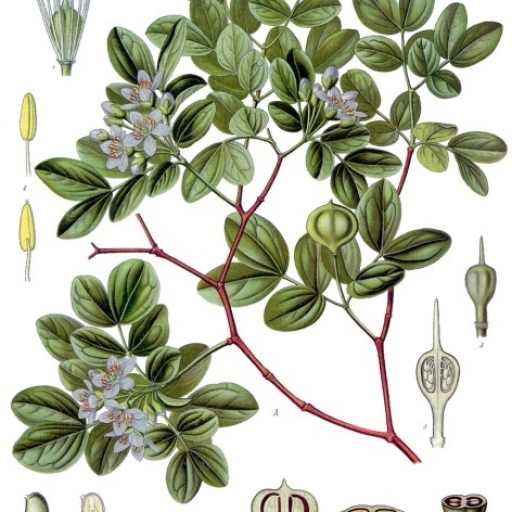
Plant Overview
Known as the "Tree of Life" (Lignum Vitae), Guaiacum officinale is a symbol of strength and endurance throughout the Caribbean. Its stunning blue blossoms and glossy foliage have earned it a place of honor as the national flower of Jamaica. Historically, it was believed to cure everything from arthritis to the "great pox," giving it a legendary reputation as a botanical miracle-worker.
🔍 How to Identify
- 🌸 The Blooms: Small, star-like flowers that range from deep cerulean to pale lavender, often covering the canopy in a vibrant blue haze during peak season.
- 🍃 The Foliage: Dense, dark green leaves composed of small, rounded leaflets that grow in pairs, creating a very "tight" and polished architectural look.
- 🪵 The Bark: Distinctive mottled grey-green bark that often peels in thin flakes, revealing a smooth, multi-colored surface underneath that resembles a jigsaw puzzle.
🏡 In Your Garden
- ⏳ Patience is Key: This is one of the slowest-growing trees in the world. If you plant one, you are planting a legacy for the next generation; it takes decades to reach its full, majestic height.
- 🌊 Coastal Warrior: It is exceptionally salt-tolerant and wind-resistant. This makes it a perfect choice for seaside gardens where other ornamental trees might wither from the salt spray.
- ⚓ Deep Roots: Because it develops a deep, sturdy taproot to find water, it hates being moved. Choose its "forever home" carefully, as transplanting an established tree is often unsuccessful.
⚠️ Safety & Toxicity
- 🐾 Pet & Human Safety: While the tree is not considered highly toxic like an Oleander, the resin (guaiac) contains potent compounds used in medicine.
- 👅 Avoid Ingestion: Ingestion of the leaves, bark, or fruit by pets or children may cause stomach upset, nausea, or skin irritation. It is best treated as a specimen to be admired rather than touched.
✨ Fun Fact
🚢 The Wood That Sinks: Lignum Vitae is the densest wood on Earth. It is so heavy and packed with fibers that it actually sinks in water! Because the wood is naturally self-lubricating due to its high oil content, it was used for the propeller shaft bearings on the world’s first nuclear-powered submarine, the USS Nautilus.

Detailed Care Instructions
Growing Guaiacum Officinale (also known as Guaiacum or Lignum Vitae) can be challenging, but with the right conditions and care, you can successfully grow them. Here are some steps to help you grow Guaiacum Officinale plant:
- Climate and location: Guaiacum Officinale prefer tropical or subtropical climates. They thrive in areas with full sun exposure and well-draining soil. If you live in a colder climate, consider growing it in a container that can be brought indoors during the winter.
- Soil preparation: Guaiacum Officinale prefers sandy or loamy soil. Make sure the soil is well-draining to prevent waterlogging and root rot. Amend the soil with organic matter like compost to improve fertility and drainage.
- Planting: Plant Guaiacum Officinale in the spring when the soil has warmed up. Dig a hole twice the diameter of the root ball and slightly deeper. Place the plant in the hole and backfill with soil, gently firming it around the roots. Leave enough space for the plant to spread and grow.
- Watering: Guaiacum Officinale is tolerant of drought conditions, but it still requires regular watering, especially during the establishment period. Water deeply and thoroughly, allowing the soil to dry out slightly between waterings. Avoid overwatering to prevent root rot.
- Fertilizing: Guaiacum Officinale is not a heavy feeder and can grow well without excessive fertilization. However, you can apply a balanced slow-release fertilizer once or twice a year during the growing season to promote healthy growth.
- Pruning: Guaiacum Officinale may require minimal pruning to shape or remove dead or damaged branches. Prune in late winter or early spring before new growth starts.
- Pests and diseases: Guaiacum Officinale is relatively pest and disease resistant. However, keep an eye out for common garden pests like aphids or mealybugs. Treat any infestations promptly with insecticidal soaps or natural alternatives.
- Winter care: In colder climates, where winter temperatures drop below freezing, Guaiacum Officinale may not survive outside. Consider bringing potted plants indoors or protect planted ones with mulch and burlap wraps to insulate the roots during winter.
Remember to research and understand your regional climate and specific plant requirements to ensure the best chance of success when growing Guaiacum Officinale.

Place in a bright room that is sun drenched almost all day. Or directly in a south-facing window.

To properly water this plant, ensure that the soil is dry to the touch before watering. When watering, thoroughly saturate the soil until water drains through the bottom of the pot. It is important to not let the plant sit in standing water as this can lead to root rot. Allow the soil to dry out slightly before watering again. During the winter months, reduce the frequency of watering as the plant enters a dormant state.
To fertilize this plant, begin by selecting a balanced fertilizer that contains nitrogen, phosphorus, and potassium. Mix the fertilizer with water according to the label instructions, and apply it to the soil around the base of the plant. Be careful not to get fertilizer on the leaves or stems, as this can cause damage. Repeat the fertilization process every 2 to 4 weeks during the growing season, and reduce the frequency during the dormant season. Check the soil moisture level regularly, and adjust the frequency of fertilization accordingly.
Guaiacum Officinale plant requires a specific type of soil to thrive. The soil should be well-draining, with a pH range of 6.0 to 8.0. It should be rich in nutrients, especially nitrogen, phosphorus, and potassium. The ideal soil mix for Guaiacum Officinale plant should include a mixture of soil, sand, and organic matter, such as compost or peat moss. The soil should be moist but not waterlogged, as overwatering can lead to root rot. It is recommended to use a fertilizer specifically formulated for flowering plants to ensure optimal growth and health. Avoid using soils that are heavy in clay or prone to waterlogging, as this can harm the plant.
To propagate this plant, one can take semi-hardwood cuttings in the summer and early fall. The best cuttings come from healthy, well-established side shoots with a length of 6-8 inches. The cutting should be taken from the base of the shoot, making sure to remove any leaves from the bottom half of the stem. It is recommended to use a rooting hormone powder to encourage root growth. The cutting can then be planted in a well-draining potting mix, watering it thoroughly and keeping it in a warm and humid area until roots develop. Once the cutting has rooted, it can be transferred to a larger pot or planted in the ground. It is important to keep the soil moist and provide adequate sunlight for optimal growth.








