Plant Overview
Often called the "Velvet Mahogany," Guarea pubescens is a lush, tropical evergreen that brings the dense, green architecture of the South American rainforest into a garden setting. A relative of the prestigious Mahogany tree, this species is prized by enthusiasts for its soft-to-the-touch foliage and its ability to create a deep, cooling shade. In its native habitat, it plays a vital role in the ecosystem, acting as both a shelter and a food source for tropical wildlife.
🔍 How to Identify
- 🍃 Velvety Foliage: The most defining feature is the fine, downy hair (pubescence) found on the undersides of the leaves and young stems, giving the plant a soft, matte appearance.
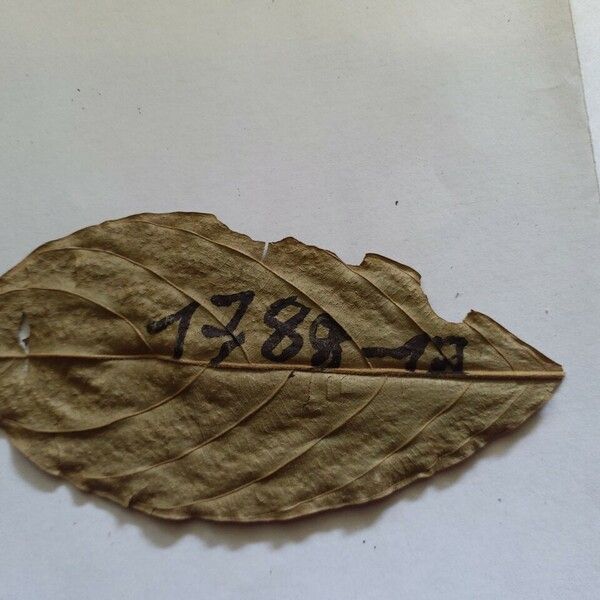
- 🌿 Compound Leaves: It features large, pinnate leaves where leaflets are arranged in pairs along a central stalk, creating a heavy, feathery look.
- 🌰 Woody Capsules: The plant produces small, leathery fruit capsules that split open when mature to reveal seeds coated in a bright, fleshy orange or red layer.
🏡 In Your Garden
- ☁️ Humidity Lover: This plant is a true child of the tropics. It thrives in high humidity and dappled sunlight, mimicking the forest understory. If grown in dry air, the leaf tips will quickly signal distress by turning brown.
- 🌱 Deep Soil Preference: Because it develops a sturdy taproot system, it requires deep, well-draining soil. It is notoriously "grumpy" about being moved, so choose its permanent home carefully to avoid transplant shock.
⚠️ Safety & Toxicity
- 🐾 Potential Irritant: While not classified as highly toxic, the bark and seeds contain bitter compounds (saponins) that can cause digestive upset if chewed by curious pets or children.
- 🧤 Tactile Sensitivity: For most people, the velvet leaves are pleasant to touch, but those with very sensitive skin may find the tiny hairs slightly irritating after prolonged contact during pruning.
✨ Fun Fact
In the wild, Guarea pubescens is a favorite of the Capuchin monkey. The monkeys seek out the ripe fruits, consuming the fleshy coating of the seeds and inadvertently helping the tree "travel" by dispersing the seeds across the jungle floor.

Detailed Care Instructions