Plant Overview
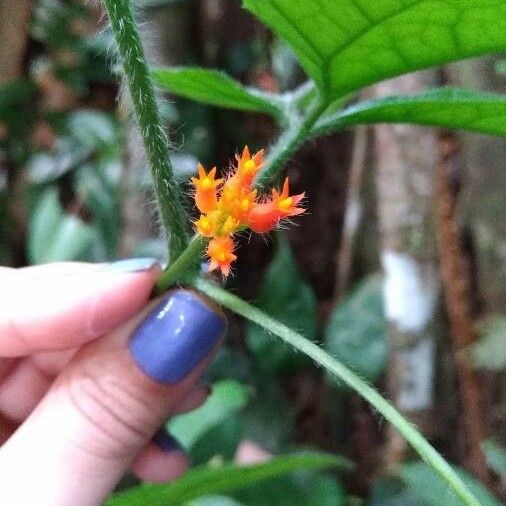
A vibrant vining wonder from the heart of the South American rainforests, Gurania coccinea is often called the "Orange Jungle Cucumber." While it is a distant cousin to the snack on your salad plate, this plant is grown for its spectacular, fiery blossoms rather than its fruit. In its native Amazonian habitat, it climbs high into the canopy, searching for the sunlight needed to fuel its brilliant red-orange displays.
🔍 How to Identify
- 🔥 The Flowers: Its most striking feature is the clusters of tubular, bright scarlet or deep orange flowers that look like tiny torches lighting up the greenery.
- 🍃 The Foliage: The leaves are typically divided into three distinct leaflets (trifoliate) and have a slightly rough, sandpaper-like texture that helps them thrive in humid environments.
- 🧗 The Tendrils: Look for thin, wiry green coils extending from the stems; these are the plant’s "hands" used to pull itself up trellises or neighboring trees.
🏡 In Your Garden
- 💧 Thirst for Humidity: As a true rainforest native, this plant demands high humidity. If you are growing it indoors, a pebble tray or a humidifier is essential to prevent the leaf tips from browning.
- 🏗️ Vertical Ambitions: Because of its vigorous climbing habit, it hates being cramped. It needs a sturdy trellis or a "living wall" to express its natural growth pattern and prevent it from tangling into a messy heap.
- 🌿 Soil Nuance: It prefers rich, loamy soil that stays moist but never soggy. It is prone to root rot if left in standing water, so drainage is just as important as hydration.
⚠️ Safety & Toxicity
- 🐾 Mild Caution: While not considered highly toxic to humans, Gurania coccinea is an ornamental plant and is not for consumption.
- 🐱 Pet Safety: Like many members of the Cucurbitaceae family, the plant can contain bitter compounds called cucurbitacins. These can cause stomach upset or drooling in cats and dogs if chewed, so it is best kept out of reach of curious pets.
✨ Fun Fact
Gurania coccinea has evolved a "special relationship" with hummingbirds. The bright scarlet color and the long, tubular shape of the flower are perfectly designed to fit a hummingbird’s beak, ensuring the bird gets a nectar meal while the plant gets pollinated!

Detailed Care Instructions








