Plant Overview
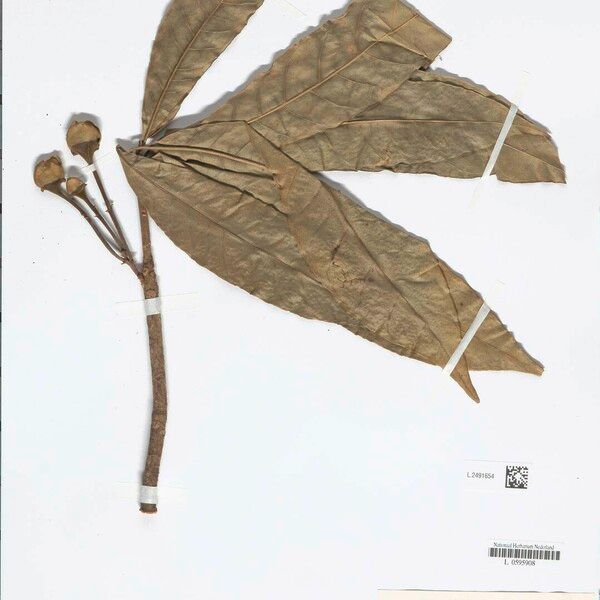
Known affectionately as the "Heaven Lotus," Gustavia pulchra is an exquisite tropical tree native to the humid river basins of Colombia and Venezuela. It is prized by rare plant collectors for its ethereal, saucer-shaped flowers that look as if they were sculpted from wax. Despite its delicate appearance, this tree is a hardy survivor of the Orinoco rainforests, standing as a testament to the lush biodiversity of South America.
🔍 How to Identify
- 🌸 The "Heavenly" Bloom: The most striking feature is the large, fragrant flower, featuring creamy white or pale pink petals that cradle a magnificent "crown" of hundreds of golden-tipped stamens.
- 🍃 Gigantic Foliage: It sports oversized, glossy, dark-green leaves that can reach up to 20 inches in length. These leaves tend to cluster at the ends of branches, creating a lush, umbrella-like canopy.
- 🌳 Architectural Form: In a garden or large container, it grows as a slender, upright tree with smooth, greyish-brown bark, maintaining a stately and prehistoric silhouette.
🏡 In Your Garden
- 💧 The Humidity Rule: Because it originates from riverine environments, Gustavia pulchra craves high humidity. It is best suited for conservatories, greenhouses, or tropical gardens where the air remains moist and the soil stays consistently damp but never waterlogged.
- 🌤️ Filtered Sunlight: Imagine the jungle floor; this tree thrives in "dappled" light. Direct, harsh afternoon sun can scorch its massive leaves, so it prefers a spot where it can see the sky without being baked by the sun's rays.
- 🌱 Acidic Soil Needs: It performs best in rich, organic soil that is slightly acidic. Adding leaf mold or peat-free compost helps mimic the nutrient-rich floor of its native rainforest.
⚠️ Safety & Toxicity
- ✅ Generally Safe: Gustavia pulchra is not known to be toxic to humans or common household pets like cats and dogs.
- 🧤 Skin Sensitivity: While not poisonous, the sap of some trees in the Lecythidaceae family can cause very mild skin irritation in sensitive individuals. It is always a good practice to wash your hands after pruning or heavy handling.
✨ Fun Fact
Gustavia pulchra belongs to the same botanical family as the tree that produces the Brazil Nut! While its fruit is not a commercial staple like its cousin, the genus was named by Linnaeus himself to honor King Gustav III of Sweden.

Detailed Care Instructions







