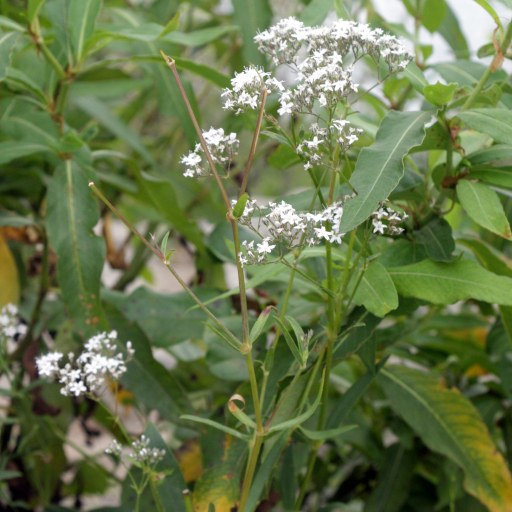
Plant Overview
Known as the "Manchurian Baby's Breath," Gypsophila oldhamiana is a sophisticated, hardy cousin to the common florist’s filler. Native to the rocky slopes of East Asia, it creates an ethereal, misty cloud of pink in the garden that looks like a soft sunset caught in a bush. Unlike its white-flowered relatives, this species is prized for its deeper rosy hues and its ability to thrive where other delicate plants might wither.
🔍 How to Identify
- 🌸 The Blooms: Features dense, terminal clusters (cymes) of tiny, five-petaled flowers that range from pale blush to a rich, carnation pink.
- 🍃 The Foliage: The leaves are lance-shaped and possess a distinct grayish-green or "glaucous" waxy coating, which helps the plant retain moisture.
- 🏗️ The Structure: It has a clumping, upright habit with stems that become slightly woody at the base, reaching heights of up to 2–3 feet when in full bloom.
🏡 In Your Garden
- ⛰️ The "Sweet" Spot: This plant is a "calciphile," meaning it craves alkaline or "sweet" soil. If your garden is naturally acidic, adding a bit of lime will make this plant feel right at home.
- ⚓ Root Sensitivity: Like many in the Gypsophila family, it develops a deep, sturdy taproot. This makes it incredibly drought-tolerant once established, but it also means it hates being moved—pick its "forever home" carefully!
- 🦋 Pollinator Magnet: While humans enjoy the scent, bees and butterflies are the primary visitors, drawn to the sheer volume of nectar-rich micro-flowers.
⚠️ Safety & Toxicity
- 🐾 Status: Mildly toxic to pets and humans.
- 🧴 Details: The plant contains saponins. While not usually life-threatening, ingestion can cause gastrointestinal upset in cats and dogs, and the sap may cause minor skin irritation (dermatitis) for gardeners with sensitive skin.
✨ Fun Fact
While most Baby's Breath varieties are famous for being scentless or having a slightly musky odor, Gypsophila oldhamiana is one of the few species frequently used in the fragrance industry to add "airy" and "herbal" notes to perfumes!

Detailed Care Instructions
To grow Gypsophila Oldhamiana, also known as Oldham's Baby's Breath, you can follow these steps:
- Choose a suitable location: Gypsophila Oldhamiana prefers full sunlight, so select an area that receives at least 6-8 hours of direct sunlight every day. It can also tolerate partial shade but may not grow as vigorously.
- Prepare the soil: The plant thrives in well-draining soil with a slightly alkaline pH. To improve drainage, you can add organic matter such as compost or well-rotted manure to the soil. This will help create a loose, loamy texture that promotes root growth.
- Sow seeds: Gypsophila Oldhamiana can be grown from seeds. Sow the seeds directly into the prepared soil in spring after the last frost date or in late summer for a fall bloom. Lightly cover the seeds with a thin layer of soil, as they require light to germinate.
- Watering: Keep the soil consistently moist but not waterlogged. Water the plant regularly, especially during dry periods, to ensure it receives sufficient moisture. Avoid overwatering, as this can lead to root rot.
- Mulching and weed control: Apply a layer of organic mulch, such as wood chips or straw, around the plant to conserve moisture, suppress weed growth, and regulate soil temperature. Ensure the mulch does not directly touch the stem to prevent rot.
- Pruning and maintenance: Once the plants start growing, you can pinch back the tips to encourage bushier growth and more flowers. Deadhead spent blooms regularly to prolong the flowering period and promote additional blooms.
- Fertilization: Gypsophila Oldhamiana generally does not require heavy fertilization, as excessive nutrients can result in weak and leggy growth. However, you can apply a balanced, slow-release fertilizer in spring to provide essential nutrients for healthy growth.
- Pests and diseases: Keep an eye out for common pests like aphids or spider mites. If necessary, treat the affected plants with a suitable insecticide or use organic pest control methods. Gypsophila Oldhamiana is generally resistant to most diseases.
- Support: As the plant grows, it may require support if the stems become too long and cannot bear the weight of the flowers. You can use stakes or a trellis to provide support and prevent the stems from bending or breaking.
By following these tips, you should be able to successfully grow Gypsophila Oldhamiana and enjoy its delicate, airy flowers in your garden.

Place in a bright room that is sun drenched almost all day. Or directly in a south-facing window.

Watering Gypsophila Oldhamiana is an important aspect of caring for this particular plant. It is essential to understand the specific watering needs to ensure its optimal growth and health. Here are some details on watering this plant:
1. Assess the soil moisture: Before watering the Gypsophila Oldhamiana plant, it is crucial to check the moisture level in the soil. Insert your finger about an inch deep into the soil near the plant's base to feel if it is dry or moist.
2. Watering frequency: This plant generally requires regular watering, but the frequency may vary depending on the environmental conditions. As a general guideline, water the plant once the top inch of soil feels dry to the touch.
3. Watering method: When watering Gypsophila Oldhamiana, it is best to use a gentle and targeted approach. Avoid showering the entire plant with water, as excessive moisture can lead to root rot. Instead, directly water the base of the plant, allowing the water to slowly penetrate the soil and reach the roots.
4. Adequate drainage: Ensure that the plant is grown in a well-draining soil mix. Excessive moisture retention can harm the plant's roots, so it is essential to avoid waterlogged conditions.
5. Avoid overwatering: While it is necessary to maintain adequate soil moisture, overwatering should be avoided. Standing water or continuously saturated soil can cause root rot and other water-related issues. Always allow the top layer of soil to dry out between waterings.
6. Water during the morning: Watering Gypsophila Oldhamiana in the morning is considered ideal. It allows excess moisture on foliage to evaporate during the day, reducing the risk of fungal diseases.
7. Observe the plant's response: Pay attention to the plant's overall health and appearance. If the leaves start turning yellow or wilting, it might indicate either overwatering or underwatering. Adjust the watering schedule accordingly until you find the right balance.
Remember, proper watering is just one element of plant care. Factors such as sunlight, temperature, and humidity levels also play a vital role in the overall well-being of Gypsophila Oldhamiana.
To provide proper nourishment to the Gypsophila Oldhamiana plant, follow these fertilizing instructions:
- Choose a balanced, water-soluble fertilizer specifically formulated for flowering plants.
- Dilute the fertilizer according to the manufacturer's instructions. Usually, a ratio of 1 tablespoon per gallon of water is recommended.
- Apply the diluted fertilizer around the base of the plant, ensuring it does not come into direct contact with the leaves or stems.
- Water the plant thoroughly after fertilization to help distribute the nutrients evenly in the soil.
- Fertilize the Gypsophila Oldhamiana plant every two to four weeks during the growing season, which is typically spring through early fall.
- Remember not to over-fertilize, as it can lead to fertilizer burn or excessive growth. Follow the instructions on the fertilizer packaging and adjust the frequency or strength of application if needed.
- Monitor the plant's response to the fertilizer. If it exhibits signs of nutrient deficiency or excess (e.g., yellowing leaves, decreased flowering, or wilting), consider adjusting the fertilizer application accordingly.
- Regularly remove any weeds or competing plants from the vicinity to ensure the Gypsophila Oldhamiana plant receives maximum benefit from the applied fertilizer.
- During the plant's dormant period, typically in winter, reduce or stop fertilization as it requires less nutrients during this time.
- Always read and follow the instructions provided by the fertilizer manufacturer for best results.
When it comes to selecting the appropriate soil for Gypsophila Oldhamiana plant, it is important to consider its specific needs. This particular plant thrives in well-draining soil with a moderate fertility level. It prefers a soil composition that allows for proper water drainage and aeration, preventing waterlogged conditions that can harm the roots.
Ideally, the soil should be light, loose, and well-draining. It should have a good mixture of organic matter, such as compost or well-rotted manure, to enrich its fertility. This will provide necessary nutrients without overwhelming the plant with excessive nutrients.
Moreover, the soil pH should range between slightly acidic to neutral, around 6.0 to 7.0, in order to facilitate nutrient absorption. This results in healthier growth and enhanced overall vigor. It is recommended to test the soil's pH level regularly to ensure it stays within the optimal range for Gypsophila Oldhamiana.
Furthermore, the soil structure should be loose enough to allow the plant's roots to grow and expand easily, as Gypsophila Oldhamiana plants develop a relatively extensive root system. The loose structure helps in preventing root rot and enables efficient water and nutrient uptake.
While it is essential to choose appropriate soil for Gypsophila Oldhamiana, it is equally important to monitor its moisture levels carefully. This plant prefers slightly moist soil but does not tolerate excessive waterlogging. Therefore, maintaining proper watering practices, such as checking the soil moisture before watering and allowing it to almost dry out between waterings, is crucial for the plant's health.
Overall, selecting well-draining, fertile, and slightly acidic to neutral soil that allows for proper root growth and moisture regulation is key to ensuring the successful cultivation of Gypsophila Oldhamiana plants.
To propagate Gypsophila Oldhamiana plants, you can follow the steps below:
- Begin by selecting a healthy, mature plant from which you will take cuttings. Look for a plant with strong stems and vibrant foliage.
- Prepare a clean and sharp pair of pruning shears or scissors. You will use these to take cuttings from the parent plant.
- Choose a stem from the parent plant that does not have any flowers or buds. This will ensure that the cutting focuses its energy on root development rather than flower production.
- Using the pruning shears or scissors, make a clean and diagonal cut just below a node on the selected stem. Nodes are the points on the stem where leaves or branches emerge.
- Remove any lower leaves from the stem, leaving a few leaves at the top intact. This will reduce moisture loss and prevent the cutting from drying out.
- Optional: You can dip the cut end of the stem in a rooting hormone powder to promote quicker and stronger root growth. However, this step is not necessary for Gypsophila Oldhamiana and might not be readily available in all locations.
- Prepare a seed starting tray or small pots with a well-draining potting mix. Ensure that the container has drainage holes to prevent waterlogging.
- Make small holes in the potting mix with your finger or a pencil, and gently insert the cut end of the stem into the hole. Firmly press the soil around the base of the cutting to ensure good contact.
- Water the cuttings thoroughly, ensuring that the potting mix is evenly moist but not waterlogged. It is essential to keep the cuttings consistently moist during the rooting process.
- Place the cuttings in a bright location, but avoid direct sunlight to prevent excessive heat and moisture loss. You can cover the tray or pots with a clear plastic bag or a propagator dome to create a humid environment.
- Monitor the cuttings regularly, ensuring that the potting mix stays moist. Avoid overwatering, as this can lead to rotting.
- After a few weeks, gently tug on the cuttings to check for resistance, indicating the development of roots. Once roots have formed, you can gradually acclimate the young plants to lower humidity levels by removing the covering for a few hours each day.
- Once the cuttings have developed a substantial root system, they can be carefully transplanted into individual pots or directly into the garden, depending on your preference and the growing conditions.
By following these steps, you can successfully propagate Gypsophila Oldhamiana plants, allowing you to enjoy the beauty of this species in your garden or indoor spaces.








