Plant Overview
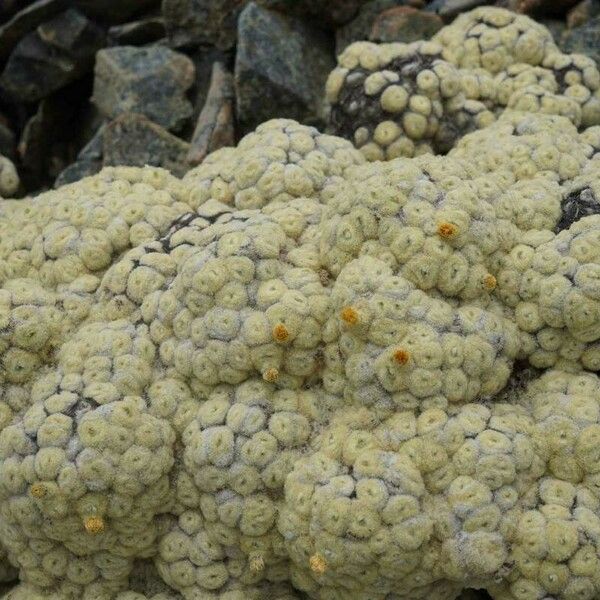
Known to mountaineers and hikers as the "Vegetable Sheep," Haastia pulvinaris is one of the most peculiar and resilient plants on the planet. Originating from the high-altitude scree slopes of New Zealand’s South Island, it creates massive, woolly hummocks that look exactly like a resting flock of sheep from a distance. This "fleece" is actually a clever survival strategy against the brutal alpine winds and freezing temperatures.
🔍 How to Identify
- 🐑 The Cushion Growth: It grows in extremely dense, rounded cushions or "mats" that can reach over two meters in diameter.
- 🧶 Woolly Texture: The entire plant is covered in a thick, cream-to-white felt of fine hairs (tomentum) that protect the living tissue from UV rays and moisture loss.
- 🍃 Hidden Leaves: Beneath the woolly exterior are tiny, tightly overlapping leaves that are scale-like and packed together to trap air and heat.
- 🌼 Inconspicuous Blooms: In summer, it produces small, pale yellow flower heads that are often tucked into the woolly surface, making them difficult to spot at first glance.
🏡 In Your Garden
- 🏔️ Alpine Specialist: This plant is not a typical garden inhabitant. It requires "scree garden" conditions—think pure crushed rock with very little organic matter and exceptional drainage.
- 💧 The Rot Risk: While it survives the harshest New Zealand winters, it is very sensitive to stagnant humidity and wet "feet." If water sits in the crown for too long, the "fleece" can rot.
- ⏳ Slow and Steady: Haastia is incredibly slow-growing, sometimes only expanding by a few millimeters a year. It is a plant for the patient collector who appreciates the beauty of geological time.
⚠️ Safety & Toxicity
- 🟢 Non-Toxic Status: There are no known toxic properties associated with Haastia pulvinaris for humans or pets.
- 🌵 Physical Texture: While it looks soft like a sheep, it is surprisingly firm and woody to the touch. It’s best to observe without touching, as the delicate woolly hairs can be damaged or soiled by oils from human skin.
✨ Fun Fact
Early New Zealand explorers and shepherds were frequently fooled by these plants. There are historical accounts of weary travelers hiking for miles toward what they thought was a lost sheep or a camp, only to find a very large, very still, woolly rock!

Detailed Care Instructions
Growing Haastia pulvinaris, commonly known as the vegetable sheep plant, can be a bit challenging since it is a specialized alpine plant. Here are some steps to help you cultivate it successfully:
1. Climate Considerations
- Native Habitat: Haastia pulvinaris is endemic to the alpine regions of New Zealand, where it grows in harsh conditions with cold temperatures, high winds, and well-drained soils.
- Temperature: This plant is adapted to cool climates. It may struggle in hot or humid conditions.
- Light: Prefers full sunlight, mimicking its natural high-altitude, open environment.
2. Soil Requirements
- Drainage: Requires excellent drainage to prevent root rot. Use a gritty, rocky, or sandy soil mix.
- pH: Prefers slightly acidic to neutral soil (pH 6.0-7.0).
3. Watering
- Infrequent Watering: Due to its alpine origins, the plant does not require frequent watering. Allow the soil to dry out between waterings.
- Avoid Waterlogging: Ensure water does not sit at the roots, which could lead to rot.
4. Growing Conditions
- Container Growing: If your local climate isn’t suitable, consider growing Haastia pulvinaris in containers that can be moved to ideal microclimates.
- Outdoor Location: If planted outdoors, choose a spot that mimics its native environment—rocky areas or scree gardens are ideal.
5. Propagation
- Seeds: Propagation is typically done through seeds, but this can be difficult due to the specific conditions needed for germination.
- Sow seeds on the surface of a well-draining soil mix.
- Cold stratification might be necessary. Mimic the natural cold period they would experience in the wild.
- Sow seeds on the surface of a well-draining soil mix.
- Cuttings: Taking cuttings is generally not successful with this species due to its growth habits.
6. Maintenance
- Minimal Feeding: Fertilizing is generally not necessary if the soil substrate is well-chosen. If needed, use a very dilute, balanced fertilizer.
- Monitoring: Regularly check for signs of stress, such as yellowing or wilting, which could indicate incorrect watering or unsuitable temperatures.
7. Protection
- Wind Protection: While the plant is adapted to windy conditions, excessive exposure can be harmful. Provide some wind protection if the plant looks stressed.
- Predatory Control: The plant might need protection from local wildlife, pests, or diseases that are not present in its native habitat.
8. Winter Care
- Cold Tolerance: It’s well-equipped for cold temperatures, but if you experience harsh winters, additional protection like mulching might be beneficial.
Growing Haastia pulvinaris outside its natural habitat requires careful attention and adaptation of its specific environmental needs. Creating a microhabitat that closely mimics its native conditions will increase your chances of success.
Watering Haastia pulvinaris, a cushion plant native to the alpine regions, requires a careful approach to mimic its natural habitat conditions. Here’s a detailed guide on how to do it:
- Watering Frequency:
- Growing Season: During its active growing season in the warmer months, water the plant sparingly. The frequency can be approximately once every two weeks, depending on the climate and soil drainage.
- Dormant Season: Reduce watering significantly during the colder months when the plant is dormant. In many cases, you might not need to water the plant at all during this period.
- Growing Season: During its active growing season in the warmer months, water the plant sparingly. The frequency can be approximately once every two weeks, depending on the climate and soil drainage.
- Soil and Drainage:
- Ensure the plant is potted or planted in a well-draining soil mix. This is often a mix of sandy or gritty soil that closely resembles its natural, rocky environment.
- A free-draining pot or planting site is essential to prevent waterlogging, which can lead to root rot.
- Ensure the plant is potted or planted in a well-draining soil mix. This is often a mix of sandy or gritty soil that closely resembles its natural, rocky environment.
- Watering Method:
- Top Watering: Water the plant from the top, allowing the water to trickle down through the soil. Ensure that water does not remain pooled on the surface for long periods.
- Bottom Watering: For potted plants, consider placing the pot in a shallow dish of water for a few minutes, allowing the soil to absorb moisture from the bottom up, then remove the pot and allow excess water to drain away.
- Top Watering: Water the plant from the top, allowing the water to trickle down through the soil. Ensure that water does not remain pooled on the surface for long periods.
- Water Quality:
- Use distilled or rainwater if possible, as this plant prefers water free of heavy minerals and chemicals often found in tap water.
- Ensure that the water is at ambient temperature to avoid shocking the roots.
- Use distilled or rainwater if possible, as this plant prefers water free of heavy minerals and chemicals often found in tap water.
- Environmental Humidity:
- This plant prefers a drier environment. Avoid misting or increasing humidity around the plant, as excessive moisture can be detrimental.
- This plant prefers a drier environment. Avoid misting or increasing humidity around the plant, as excessive moisture can be detrimental.
- Observation:
- Regularly check the soil moisture by inserting your finger about an inch into the soil. If it feels dry, it might be time to water.
- Observe the plant for signs of overwatering, such as yellowing or softening of the leaves and stems, and adjust your watering habits accordingly.
By adhering to these guidelines, you can maintain the delicate balance necessary for the healthy growth of Haastia pulvinaris in your care.
- Regularly check the soil moisture by inserting your finger about an inch into the soil. If it feels dry, it might be time to water.
Haastia pulvinaris is a unique alpine plant that requires careful attention to its nutritional needs. Here are some detailed fertilizing instructions to help you care for this plant:
- Soil Requirements: Ensure the plant is in well-draining, gritty soil. It thrives in poor soil conditions, often found in alpine environments.
- Fertilizer Type: Use a balanced, slow-release fertilizer with a balanced N-P-K ratio such as 10-10-10 or 14-14-14. Avoid high-nitrogen fertilizers, as they can lead to excessive, leggy growth that is not suitable for this compact, cushion-forming plant.
- Application Timing: Fertilize in the early spring just as new growth begins. This is the time when the plant is most actively growing and can most effectively utilize the nutrients.
- Application Method: Apply the fertilizer sparingly around the base of the plant. Avoid direct contact with the stems and foliage to prevent burning. Slow-release pellets can be gently worked into the top layer of soil.
- Frequency: Given its natural habitat, Haastia pulvinaris does not require frequent fertilizing. Once or twice in the growing season should be sufficient.
- Watering Post-Fertilization: After applying the fertilizer, water the plant lightly to help distribute the nutrients into the soil. Be cautious with watering, as Haastia pulvinaris is susceptible to root rot in overly wet conditions.
- Monitoring: Observe the plant for signs of nutrient deficiency (such as yellowing leaves) or over-fertilization (such as burning or scorched leaves). Adjust your fertilizing practices based on these observations.
- Organic Options: If you prefer organic fertilizers, a light application of compost or well-rotted manure can be beneficial. However, apply these sparingly to avoid altering the soil composition too much.
Remember that Haastia pulvinaris is adapted to nutrient-poor environments, so it is always better to under-fertilize rather than over-fertilize. With proper care and minimal intervention, your plant should thrive.
Haastia pulvinaris thrives best in well-draining soil that mimics its natural alpine habitat. When cultivating this plant, it's important to create a growing medium that offers excellent drainage to prevent root rot, which it is particularly susceptible to.
Here are the detailed soil requirements for Haastia pulvinaris:
- Soil Composition:
- Gravel and Sand: A mix that includes a significant proportion of coarse sand and small gravel will help replicate the plant's natural rocky environment. This ensures proper drainage and prevents soil compaction.
- Organic Matter: Incorporate a minimal amount of organic material such as peat or leaf mold. While the plant does need some organic content for nutrient supply, too much can retain water and increase the risk of rot.
- Mineral Content: A slightly acidic to neutral pH (around 6.0 to 7.0) is ideal. You can achieve this by adding lime or sulfur to adjust the pH if necessary.
- Gravel and Sand: A mix that includes a significant proportion of coarse sand and small gravel will help replicate the plant's natural rocky environment. This ensures proper drainage and prevents soil compaction.
- Proportions:
- A recommended mix could be 50-60% coarse sand or small gravel, 30-40% loam or garden soil, and 10% organic matter.
- A recommended mix could be 50-60% coarse sand or small gravel, 30-40% loam or garden soil, and 10% organic matter.
- Soil Preparation:
- Mix the components thoroughly to ensure even distribution.
- If you are preparing the soil in a container, ensure that the pot has sufficient drainage holes at the bottom.
- Consider adding an additional layer of gravel at the base of the container to aid drainage.
- Mix the components thoroughly to ensure even distribution.
- Habitat Simulation:
- In addition to the soil itself, plant Haastia pulvinaris in a location that receives plenty of sunlight and is protected from prolonged periods of moisture, such as overly rainy conditions without adequate drying periods.
- Keep the surrounding environment well-ventilated to prevent fungal issues, which are common in damp conditions.
By creating this specific soil environment, you can cultivate Haastia pulvinaris successfully, ensuring its growth and longevity, reminiscent of its native high-altitude, rocky terrains.
- In addition to the soil itself, plant Haastia pulvinaris in a location that receives plenty of sunlight and is protected from prolonged periods of moisture, such as overly rainy conditions without adequate drying periods.
Propagation of Haastia pulvinaris, a unique cushion plant native to New Zealand, can be challenging but rewarding. Here are the detailed steps to propagate this distinctive alpine plant:
1. Seed Collection and Preparation:
- Timing: The best time for seed collection is typically after the flowering season when the seed heads have matured and dried.
- Collection: Carefully remove the mature seed heads. Shake or gently crush them to extract the seeds.
- Cleaning: Clean the seeds by removing any remaining plant debris to ensure they are free of any contaminants.
2. Growing Medium:
- Mixture: Use a well-draining mix suitable for alpine plants. A common mixture can include a blend of coarse sand, fine gravel, and a small amount of organic matter.
- Sterilization: Sterilize the soil mix to prevent fungal infections and other soil-borne diseases. This can be done by baking the soil in an oven at 180 degrees Fahrenheit for 30 minutes.
3. Sowing Seeds:
- Container: Choose shallow seed trays or pots with good drainage. Fill them with the prepared growing medium.
- Sowing: Sow the seeds thinly on the surface of the soil. Lightly press them into the soil without burying them too deep, as some light exposure can help with germination.
- Watering: Water the medium lightly to keep it moist but not waterlogged. Use a fine mist spray to avoid washing the seeds away.
4. Germination Conditions:
- Temperature: Maintain an even temperature, ideally between 50-60 degrees Fahrenheit.
- Light: Provide bright, indirect light. Too much direct sunlight can scorch the young seedlings.
- Humidity: Cover the seed trays with a clear plastic lid or a plastic bag to maintain high humidity. Ensure adequate ventilation to prevent mold growth.
5. Transplanting Seedlings:
- Timing: Once the seedlings are large enough to handle and have developed a few true leaves, they can be carefully transplanted.
- Transplant Medium: Use a similar well-draining mix as before.
- Care: Transplant the seedlings into individual pots. Water them carefully and gradually acclimate them to their new environment by reducing humidity and increasing light exposure.
6. Care and Maintenance:
- Watering: Keep the soil consistently moist but avoid waterlogging. Proper drainage is crucial.
- Light: Gradually expose the growing plants to more light, but avoid harsh, direct sunlight.
- Temperature: Protect young plants from extreme temperature fluctuations.
- Feeding: Use a weak fertilizer solution during the growing season to provide necessary nutrients, but avoid over-fertilizing, which can harm this alpine plant.
7. Long-Term Care:
- Habitat Simulation: If growing outdoors, plant them in rock gardens or alpine beds with well-draining soil. They prefer cool climates with moderate sun exposure.
- Maintenance: Regularly check for signs of pests or diseases and take appropriate action if necessary.
Successfully propagating Haastia pulvinaris requires patience and attention to detail, especially considering its specific growing requirements related to its alpine origins. Following these steps will enhance your chances of successfully growing this unique and rewarding plant.







