Plant Overview
Often referred to as the "African Redwood" or the "Kosso" tree, Hagenia abyssinica is a majestic sentinel of the East African highlands. This stunning evergreen is famous for its massive, weeping clusters of rose-colored flowers that hang like decorative lanterns against the mist of Afromontane forests. It holds a legendary status in traditional medicine, particularly in Ethiopia, where it has been used for centuries.
🔍 How to Identify
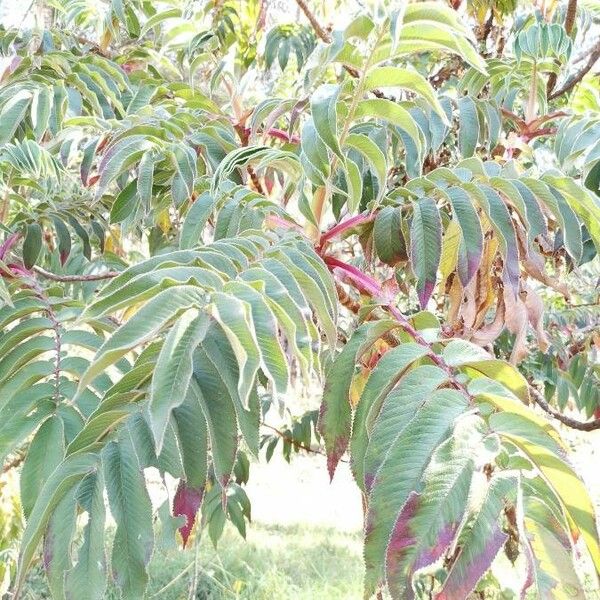
- 🌿 The Foliage: Large, feathery compound leaves that can grow up to 40 cm long. They have a distinct silvery-green sheen on the underside and serrated (toothed) edges.
- 🌸 The Flowers: It produces spectacular, drooping clusters (panicles) that can reach half a meter in length. Female flowers are a deep, attractive red, while male flowers are smaller and more orange-tinted.
- 🪵 The Bark: The trunk is wrapped in thick, reddish-brown bark that peels away in papery flakes, giving the tree a rugged, ancient texture.
🏡 In Your Garden & Landscape
- ⛰️ Highland Specialist: This tree is a true "mountain child." It thrives in cool, moist climates and high altitudes. If you live in a tropical lowland, it will likely struggle with the heat and humidity.
- 🌋 Soil & Space: It prefers rich, volcanic, well-draining soil. Because it can grow up to 20 meters tall with a wide-spreading canopy, it is suited for large estates or conservation projects rather than small suburban backyards.
- 💧 Moisture Lover: It is often found near the edges of rainforests. It requires consistent moisture and "misty" conditions to maintain its lush, vibrant canopy.
⚠️ Safety & Toxicity
- 💊 Medicinal Warning: While the dried flowers (Kosso) are a famous traditional remedy for tapeworms, they contain "koussin," which can be toxic. Overdosage is known to cause severe side effects, including visual impairment or even permanent blindness.
- 👶 Keep Away from Children: Because of its potent chemical properties, the flowers and seeds should never be ingested by children or pets.
- 🤰 Pregnancy Risk: It is strictly avoided during pregnancy in its native regions as it can cause complications or induce labor.
✨ Fun Fact
In the 19th century, the Kosso tree was so highly regarded for its medicinal properties that it was officially listed in the British Pharmacopoeia. It was considered the "gold standard" for treating parasites long before modern synthetic medicines were developed!

Detailed Care Instructions








