Plant Overview
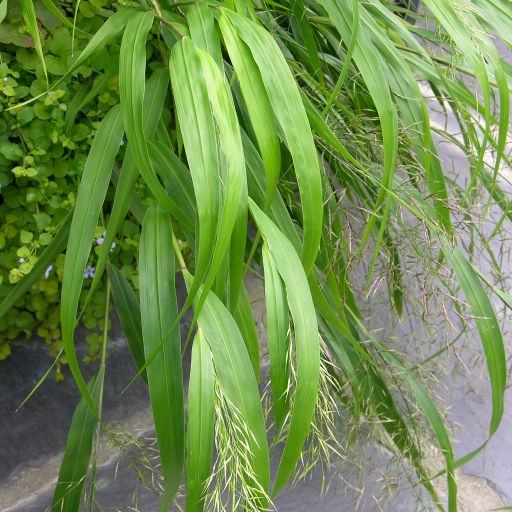
Commonly known as Japanese Forest Grass or Hakone Grass, this elegant perennial is the "flowing water" of the shade garden. Native to the moist, rocky cliffs of Mt. Hakone in Japan, it creates a serene, Zen-like atmosphere wherever it is planted. Unlike most grasses that demand blistering sun, this species thrives in the shadows, mimicking the graceful movement of a slow-moving stream as its foliage ripples in the breeze.
🔍 How to Identify
- 🍃 The Foliage: Look for long, slender, bamboo-like leaves that taper to a fine point. Depending on the variety (like 'Aureola'), they can be solid green, bright gold, or streaked with creamy white stripes.
- 🌊 The "Waterfall" Habit: The plant grows in dense, mounding clumps. The stems all lean in one direction, creating a cascading effect that looks like a frozen wave or a pouring fountain of texture.
- 🍂 Seasonal Shift: In the autumn, the vibrant green or gold leaves often transform into stunning shades of copper, orange, or even pinkish-red before turning tan for the winter.
🏡 In Your Garden
- ⏳ Patience is Key: This grass is a notoriously slow grower. It spreads through underground rhizomes, but it won't take over your yard; instead, it takes a few years to reach its full, lush potential, making it a "polite" garden companion.
- 💧 The Moisture Balance: While it loves a "forest floor" environment with rich, organic soil, it hates "wet feet." Ensure your soil drains well, but don't let it dry out completely, or the tips of the beautiful leaves will turn brown and crisp.
- ⛅ Lighting Nuance: In cooler climates, it can handle more sun, but in hotter areas, it requires deep shade. Interestingly, the gold-leafed varieties actually "glow" brighter in deeper shade, whereas too much sun can bleach them white or scorch the edges.
⚠️ Safety & Toxicity
- ✅ Pet Friendly: Good news for animal lovers! Japanese Forest Grass is considered non-toxic to dogs, cats, and horses.
- 👶 Child Safe: There are no known toxins or skin-irritating saps associated with this plant, making it a safe choice for tactile gardens and paths where children play.
- 🧤 Maintenance Safety: Unlike some ornamental grasses (like Pampas) which have razor-sharp edges, Hakonechloa leaves are relatively soft and safe to handle without gloves.
✨ Fun Fact
Japanese Forest Grass is one of the very few grasses in the world that is a "true shade lover." While thousands of grass species compete for every inch of sunlight on the prairies, this specialist evolved specifically to decorate the dark, misty volcanic slopes of Japan.

Detailed Care Instructions
To grow Hakonechloa macra, also known as Japanese forest grass, you can follow these steps:
- Choose a suitable location: Select a spot in your garden that receives partial shade to full shade. Hakonechloa macra prefers dappled sunlight or shade, as direct sunlight may scorch its leaves.
- Prepare the soil: Ensure the soil is well-draining and humus-rich. You can mix compost or organic matter into the soil before planting to improve its fertility and drainage.
- Planting: Dig a hole slightly larger than the root ball of the plant. Gently place the plant into the hole and backfill it with soil, making sure the crown of the plant (where the roots meet the stem) is level or just slightly above the soil surface.
- Watering: Water the plant thoroughly after planting to settle the soil and ensure good root establishment. Afterward, provide regular, even moisture to keep the soil consistently moist but not waterlogged.
- Mulching: Apply a layer of organic mulch, such as shredded bark or compost, around the base of the plant. This helps maintain soil moisture, suppresses weed growth, and insulates the roots during winter.
- Fertilizing: Feed the plant annually in spring with a slow-release, balanced fertilizer or organic plant food according to package instructions. Avoid over-fertilizing, as it can lead to weak growth and increased susceptibility to diseases.
- Pruning: Hakonechloa macra rarely requires pruning. However, you can trim back any damaged or unsightly foliage in spring before new growth emerges.
- Winter care: In colder regions, provide winter protection by leaving the foliage intact until late winter or early spring. The dry, dead leaves can help insulate the plant's crown from extreme cold temperatures. However, in milder climates, you can cut back the foliage in late fall or early winter.
By following these steps and providing the necessary care, you can successfully grow Hakonechloa macra and enjoy its graceful, cascading foliage in your garden.

Place in a window with dappled sun or a spot in the middle of a room. Or directly in a window facing west or east.

The best way to water this plant is to ensure that the soil is consistently moist. You can achieve this by using a spray bottle to mist the soil and foliage regularly or by watering it from the bottom using a saucer or tray. Avoid soaking the soil or allowing it to become waterlogged, as this can lead to root rot. Additionally, make sure that the pot or container has drainage holes to allow excess water to flow out. Finally, it's important to monitor the plant's water needs regularly, as the frequency of watering will depend on factors like the size of the container and the temperature and humidity levels in your environment.
To fertilize this plant, choose a balanced fertilizer with equal parts nitrogen, phosphorus, and potassium. Apply the fertilizer once in spring and again in early summer. Spread the fertilizer evenly around the base of the plant, and water in thoroughly. Avoid over-fertilization as it can damage the plant.
The appropriate soil mixture to use with this plant is one that is rich in organic matter, well-aerated and has good drainage. The soil should be moist but not waterlogged, as excessive moisture can lead to root rot.
A good option is to mix equal parts of peat moss, compost, and perlite or coarse sand to create a well-draining, nutrient-rich growing medium. Alternatively, a commercial potting mix specifically formulated for ornamental grasses can also be used.
It's important to note that this plant prefers slightly acidic soil with a pH range of 5.5-6.5. Regular fertilization with a balanced fertilizer can help maintain soil nutrient levels and support healthy growth.
To propagate a certain species of ornamental grass, one can use the division method. This involves removing a healthy, mature section of the plant, separating it from the main root ball, and replanting it in a new location. It is important to ensure that the separated section has a good amount of roots and foliage to increase the chances of survival. This process is best done in the early spring before the plant starts actively growing again.
Common pests of the japanese forest grass include Thrips. Make a habit of checking your japanese forest grass frequently for pests so that any infestations can be caught and managed early.








