
Plant Overview
Meet the "Algerian Ivy," the larger-than-life cousin of the classic English Ivy. Hailing from the sun-drenched coastal regions of North Africa and the Canary Islands, this lush climber brings a touch of Mediterranean drama to any space. It is the go-to choice for gardeners who want that "Old World" stone-wall aesthetic but prefer broader, glossier, and more tropical-looking foliage.
🔍 How to Identify
- 🍃 Oversized Leaves: Unlike the small, dainty leaves of its cousins, this ivy boasts massive, leathery leaves that can reach up to 8 inches wide, often appearing more heart-shaped than lobed.
- 🍷 Reddish Stems: One of the easiest ways to spot an Algerian Ivy is by its "wine-stained" appearance; the leaf stalks (petioles) and young stems typically sport a beautiful deep red or burgundy hue.
- 🧗 Aerial Holdfasts: Look for small, hair-like rootlets along the stems that act like biological glue, allowing the plant to scale brick, wood, or stone without any extra support.
🏡 In Your Garden
- 🌞 Heat Resilience: While many ivies struggle and "burn" in hot weather, the Algerian variety is much more tolerant of warmth and humidity, making it a star performer in Mediterranean or southern climates.
- ✂️ Vigorous Habit: This plant is a fast mover! It is excellent for covering large eyesores or creating a living green wall, but it requires regular pruning to ensure it doesn't "smother" smaller, less aggressive plants nearby.
- 🪴 Variegated Varieties: You will often find the 'Gloire de Marengo' variety in shops, which features stunning creamy-white edges—these require a bit more light than the solid green versions to keep their bright colors.
⚠️ Safety & Toxicity
- 🚫 Toxic Status: This plant is considered toxic to both humans and pets if ingested.
- 🐾 The Risks: It contains triterpenoid saponins which, if eaten by cats or dogs, can lead to vomiting, abdominal pain, and excessive drooling. Additionally, the sap can cause skin irritation or a "creeping" rash for some people, so wearing gloves while pruning is highly recommended.
✨ Fun Fact
🏛️ The God of Wine: In ancient times, ivy was dedicated to Bacchus, the Roman god of wine. It was believed that wearing a crown of ivy leaves could prevent a person from becoming intoxicated, though we definitely don't recommend testing that theory at your next dinner party!

Detailed Care Instructions
| Color | Flowers Rarely; Light Green |
| Soil Ph | Neutral, Slightly Acidic |
| Humidity | Normal |
| Lighting | Shade |
| Soil Type | Neutral, Well-Draining |
| Bloom Time | Spring |
| Difficulty | Easy |
| Plant Type | Evergreen Vine |
| Hibernation | Cold Period |
| Mature Size | 15 To 20 Feet |
| Native Area | North Africa |
| Sun Exposure | Full Shade To Partial Sun |
| Hardiness Zones | 6-11 |
To grow a Hedera Algeriensis plant, also known as Algerian ivy, you can follow these steps:
- Select a suitable location: Algerian ivy prefers bright, indirect sunlight but can tolerate some shade. Find a spot in your garden or choose a container with drainage holes if you plan to grow it indoors.
- Prepare the soil: The soil should be well-draining and rich in organic matter. Add compost or well-rotted manure to improve soil fertility and drainage.
- Planting: Dig a hole that is slightly larger than the root ball of your Hedera Algeriensis plant. Place the plant in the hole and backfill it with the prepared soil. Gently firm the soil around the roots.
- Watering: Keep the soil consistently moist but not waterlogged. Algerian ivy prefers evenly moist soil, so water regularly, especially during hot and dry periods. Be mindful not to overwater, as it can lead to root rot.
- Mulching: Apply a layer of organic mulch around the base of the plant to help retain moisture, regulate soil temperature, and suppress weed growth.
- Pruning: Regular pruning is required to keep the plant in shape. Trim back any overgrown or leggy stems to encourage bushier growth. You can also trim the plant to maintain its desired size and shape.
- Fertilizing: Algerian ivy generally doesn't require much fertilization. However, you can apply a balanced, slow-release fertilizer during the growing season to promote healthy growth.
- Support: Provide a trellis, stake, or other support structure if you want your Hedera Algeriensis plant to climb or spread along a wall or fence.
- Pest and disease control: Algerian ivy is relatively resistant to pests and diseases. However, keep an eye out for common issues like aphids, spider mites, and fungal infections. Treat any problems promptly with appropriate organic remedies or insecticides if necessary.
- Cold protection: Algerian ivy is hardy in USDA Zones 7-10. If you live in a colder climate, consider growing it in a container that you can bring indoors during winter or covering it with a frost cloth to protect it from freezing temperatures.
Remember to regularly observe your plant, adjust watering and lighting as needed, and provide care according to its specific requirements.
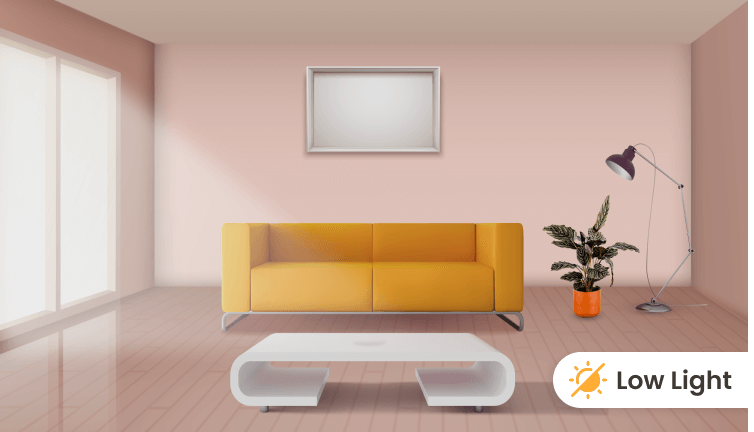
Place in a dark room with little light, like a dark bedroom or a spot far away from a window or directly in a north-facing window.

1. The plant prefers consistently moist soil but make sure it's not sitting in water.
2. Water once a week during the growing season, and reduce watering during the colder months.
3. Avoid watering from above – the water should be directed towards the soil, close to the base of the plant.
4. Check the soil regularly to make sure it stays moist but not too wet.
5. If the leaves start to wilt or turn yellow, it may be a sign that the plant is overwatered or underwatered.
6. Use room temperature water to prevent any shock to the plant.
7. If the plant is in a container, ensure that there are adequate drainage holes to allow excess water to escape.
- Choose a balanced fertilizer with equal amounts of nitrogen, phosphorus, and potassium.
- Mix the fertilizer with water according to the instructions on the package.
- Water the soil around the base of the plant before applying fertilizer.
- Apply the fertilizer solution to the soil around the base of the plant using a watering can or hose.
- Avoid getting the fertilizer solution on the leaves or stems of the plant as this can cause burn or damage.
- Repeat the fertilization process every 4-6 weeks during the growing season (spring and summer).
- Reduce the frequency of fertilization to every 2-3 months during the dormant season (fall and winter).
The ideal soil for planting Hedera Algeriensis should be well-draining, moist, and rich in organic matter. It should have a slightly acidic to neutral pH level, preferably between 5.6 to 7.5. The soil texture should be loamy, with good aeration, and capable of holding moisture without becoming water-logged.
Besides, it would be best to avoid using heavy clay soils or those with high saline content that can negatively affect plant growth. Instead, incorporate some compost or well-aged manure to improve soil structure and fertility if the soil lacks sufficient nutrients.
Additionally, for optimal growth and health, the soil should be kept consistently moist but not too wet or too dry. Adequate drainage is essential to prevent waterlogged conditions that can lead to root damage and fungal diseases.
Overall, a well-draining, nutrient-rich, and moist soil with a slightly acidic to neutral pH level is recommended for Hedera Algeriensis growth and development.
There are a few methods to propagate this plant, but one common way is through stem cuttings. To do this, first select a healthy stem that has a few sets of leaves. Using sharp, clean scissors or pruners, cut the stem at a 45-degree angle right below a node (where the leaf meets the stem). Remove any leaves from the bottom few inches of the stem. Dip the cut end into rooting hormone powder (optional) and plant the stem into a pot filled with moist, well-draining soil or rooting medium. Keep the soil consistently moist and place the pot in a bright, indirect light location. It's important to keep the cutting humid, so you can place a plastic bag over the pot or use a humidifying tray until roots have formed. After a few weeks, check for roots by gently tugging on the stem. Once the stem has developed roots, it can be moved into its own pot or transplanted into the garden.
Common pests of the algerian ivy include Spider mites, fungus gnats, thrips. Make a habit of checking your algerian ivy frequently for pests so that any infestations can be caught and managed early.








