Plant Overview
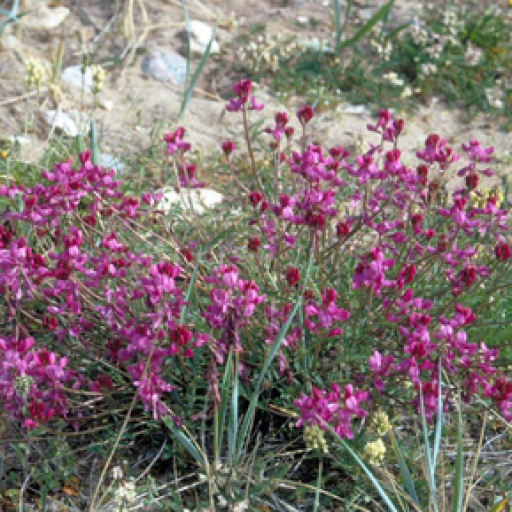
Known affectionately as the Alpine Sweetvetch or Bear Root, this resilient legume is a staple of the wild northern landscapes from Alaska to Siberia. It paints rocky slopes and riverbanks with vibrant splashes of pink and purple, signaling the peak of summer in the high country. While it looks like a delicate garden pea, it is a rugged survivor built for some of the harshest alpine environments on Earth.
🔍 How to Identify
- 🌸 Bloom Structure: Elongated clusters (racemes) of drooping, pea-like flowers that range from pale pink to a deep, royal magenta.
- 🍃 Feathery Foliage: The leaves are "pinnately compound," meaning small, oval leaflets are arranged in pairs along a central stem, creating a soft, fern-like appearance.
- 🫘 Beaded Seed Pods: Its most unique feature is the "loment"—a flat seed pod that looks like a string of hairy beads, constricted between each seed.
🏡 In Your Garden
- ⛰️ The Mountain Specialist: In a landscape setting, it thrives in gravelly, well-drained soil and rocky outcrops. It possesses a deep, thick taproot that anchors it against harsh winds, making it nearly impossible to move once established.
- 🌱 Natural Fertilizer: As a member of the legume family, it works with soil bacteria to "fix" nitrogen. It actually improves the soil quality around it, acting as a natural battery for the surrounding garden.
⚠️ Safety & Toxicity
- ⚠️ CAUTION: While the thick, sweet-tasting roots are a traditional indigenous food source (tasting somewhat like carrots or licorice), the seeds are a different story.
- 🚫 Seed Risk: The seeds contain L-canavanine and other compounds that can be toxic if consumed, particularly in large quantities or by those who are malnourished. It is famously associated with the "Into the Wild" story, serving as a reminder that even "edible" wild plants require expert knowledge.
- 🐾 Pets & Livestock: It is generally best to keep pets away from the seed pods, as they can cause digestive distress or more serious neurological weakness if ingested.
✨ Fun Fact
This plant is a favorite snack for Grizzly and Black bears. In the early spring, bears will spend hours digging up the fleshy roots to regain fat lost during hibernation—this is exactly how it earned the nickname "Bear Root!"

Detailed Care Instructions
To grow Hedysarum alpinum (also known as the alpine sweetvetch), follow these steps:
- Climate and location: Hedysarum alpinium is a perennial plant that grows well in cool and temperate regions. It prefers full sun but can tolerate partial shade. Ensure the soil is well-drained and slightly alkaline.
- Growing method: Hedysarum alpinium can be grown from seed or propagated from root divisions. Here's how to proceed with each method:
- From Seed:
a. In late fall or early winter, scarify the seeds by gently nicking or rubbing them on a piece of sandpaper.
b. Soak the seeds in room temperature water for 24 hours to help with germination.
c. Sow the scarified seeds in a pot or directly in the garden in early spring when the soil has thawed.
d. Cover the seeds lightly with soil and keep the soil consistently moist.
e. Germination may take a few weeks. Once the seedlings are established, thin them to allow proper spacing (around 12-18 inches apart).
- From Root Division:
a. In early spring or late fall, carefully dig up an established plant, ensuring that you don't damage the roots.
b. Divide the root clump into multiple sections, each containing a healthy root system and some top growth.
c. Replant the divisions in well-prepared soil at the same depth they were previously growing. Allow proper spacing as mentioned earlier.
- Watering and care: Keep the young plants well-watered during their first growing season. Once established, Hedysarum alpinium is relatively drought-tolerant and only requires occasional watering during extended dry periods.
- Mulching: Apply a layer of organic mulch around the plants to help retain moisture, suppress weed growth, and keep the soil cool.
- Pruning: Deadhead the faded flowers to prevent the plant from self-seeding. Additionally, in early spring, cut back the old stems to the ground to promote fresh growth.
- Fertilization: Hedysarum alpinium generally doesn't require heavy fertilization. However, if your soil is poor, you can work compost or well-decomposed manure into the planting area before sowing or during transplanting.
- Pest and disease control: Hedysarum alpinium is relatively resistant to pests and diseases. However, keep an eye out for common garden pests such as aphids or caterpillars, and use appropriate organic pest control methods if necessary.
By following these steps and providing proper care, you should be able to successfully grow Hedysarum alpinium in your garden.

To water this plant, it is important to first check the soil moisture by feeling the top inch of soil. If it feels dry, then it is time to water. Use a watering can or hose with a gentle flow to avoid damaging the plant or causing soil erosion. Water at the base of the plant, being careful to avoid getting water on the leaves. Water deeply enough to saturate the root zone, but avoid overwatering and allowing the plant to sit in water for extended periods of time. Watering frequency will vary depending on environmental conditions such as temperature and humidity, so it is important to monitor the soil moisture regularly and adjust watering as needed.
To fertilize Hedysarum Alpinum, use a balanced fertilizer with equal amounts of nitrogen, phosphorus and potassium. Apply the fertilizer during the spring growing season and again in the early fall. Spread the fertilizer evenly around the base of the plant and water it in well, being careful not to get any fertilizer on the foliage. Do not over-fertilize as this can cause the plant to become leggy and produce fewer flowers. Always follow the manufacturer's instructions and use a fertilizer specifically formulated for plants that thrive in alpine environments.
Hedysarum Alpinum plant requires well-draining soil that is rich in organic matter. The soil should be slightly acidic with a pH range of 5.5 to 7.0. It is recommended to mix equal parts of sand, peat moss, and perlite to create a suitable growing medium for this plant. The soil should be kept slightly moist but not waterlogged as excessive moisture can lead to root rot. Additionally, this plant prefers full sun to partial shade and thrives in alpine and subalpine environments with cool summers and cold winters.
To propagate this plant, you can take cuttings from healthy shoots. Cut a 4-6 inch section of stem just below a node. Remove the lower leaves and place the cutting into a well-draining soil mix. Water the cutting thoroughly and keep it in a warm, humid location out of direct sunlight. Mist the cutting daily to maintain moisture levels until roots have formed. Once roots have developed, the new plant can be transplanted into a larger pot or outdoor location.








