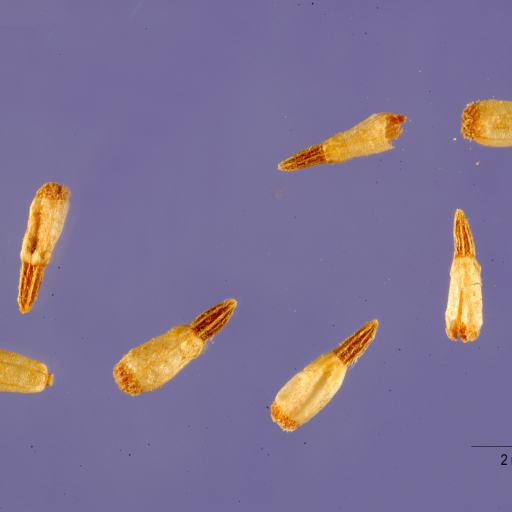
Plant Overview
Often called the Smallhead Sneezeweed, this sun-loving wildflower is a cheerful staple of Southern wetlands and prairies. Despite its sneeze-inducing name, it isn’t actually a common cause of hay fever; the name comes from a historical practice of using the dried flowers to make snuff. It is a resilient native plant that provides a late-summer burst of gold to any moist landscape.
🔍 How to Identify
- 🌼 The "Pinwheel" Bloom: The flowers feature a prominent, ball-like center (the disk) surrounded by short, yellow petals (rays) that often droop downward, resembling a badminton birdie.
- 🌿 Winged Stems: If you look closely at the stems, you’ll notice narrow "wings" of leafy tissue that run vertically down the length of the stalk, a unique trait of the Helenium family.
- 🍃 Slender Foliage: The leaves are relatively narrow and lance-shaped, arranged alternately along the branching upper stems to maximize sun exposure.
🏡 In Your Garden
- 💧 The Moisture Lover: Unlike many daisies that prefer well-drained soil, this plant thrives in "wet feet." It is an ideal candidate for rain gardens, low-lying spots that stay damp, or the edges of garden ponds.
- ☀️ Sun Seeker: To prevent the stems from becoming leggy or flopping over, give it the brightest spot possible. Full sun ensures the most prolific flowering and keeps the structure sturdy.
- 🦋 Pollinator Magnet: It is a high-value plant for native bees and butterflies. Because it blooms later in the season (mid-to-late summer), it provides a critical food source when other spring flowers have faded.
⚠️ Safety & Toxicity
- 🚫 Toxic if Ingested: Helenium microcephalum contains a compound called helenalin, which is toxic to mammals if eaten in significant quantities.
- 🐾 Pets and Livestock: It is particularly dangerous for horses and cattle (often called "Spewing Sickness" in livestock). While most pets will find the bitter taste unappealing, it should be kept away from curious dogs or cats who like to chew on greenery.
- 🧤 Skin Sensitivity: Some gardeners may experience mild skin irritation (contact dermatitis) when handling the foliage, so gloves are recommended during pruning.
✨ Fun Fact
The common name "Sneezeweed" isn't a warning about allergies, but a tribute to its history! Native American tribes and early settlers used the dried, powdered flower heads as a medicinal snuff to induce sneezing, believing it would clear the head and drive out "evil spirits" or symptoms of a cold.

Detailed Care Instructions
To grow Helenium Microcephalum, follow these steps:
- Obtain seeds or young seedlings from a nursery or online supplier. Make sure they are of good quality and healthy.
- Choose a suitable location for planting. Helenium Microcephalum prefers full sun to partial shade and well-draining soil. Ensure the area is protected from strong winds.
- Prepare the soil by loosening it and removing any weeds or debris. If the soil is compacted or poor in quality, add organic matter like compost or well-rotted manure to improve fertility and drainage.
- Sow the seeds or transplant the seedlings into the prepared soil. If starting from seeds, follow the instructions on the packet for proper depth and spacing. Water lightly after planting.
- Water the plants regularly, especially during dry spells. Helenium Microcephalum prefers consistent moisture but avoid overwatering, which can cause root rot.
- Mulch around the plants to retain moisture, suppress weeds, and regulate soil temperature. Use organic mulch, such as wood chips or straw, and keep it a few inches away from the stems to prevent rot.
- Fertilize the plants occasionally during the growing season with a balanced fertilizer. Follow the package instructions for application rates and frequency.
- Pinch back the plants when they are about 6-8 inches tall to promote bushiness and prevent them from becoming leggy.
- Deadhead the flowers as they fade to encourage more blooms. This will also prevent the plants from self-seeding excessively.
- Monitor for any pest or disease issues and take appropriate action if necessary. Common pests may include aphids or spider mites, which can be controlled with insecticidal soaps or organic pest sprays.
- In colder regions, provide some winter protection by applying a layer of mulch around the base of the plants or covering them with burlap.
- Helenium Microcephalum may benefit from dividing every 2-3 years to maintain their vigor. Dig up the clumps in early spring or late fall and separate the rooted sections, replanting them in new locations or sharing them with other gardeners.
With proper care and attention, your Helenium Microcephalum plant should thrive and produce beautiful yellow flowers.
To properly water Helenium Microcephalum plant, it is important to regularly check the soil moisture levels. This can be done by inserting a finger about an inch into the soil and feeling for dampness. The plant should be watered when the soil feels dry to the touch.
When watering, it is important to moisten the soil thoroughly but avoid overwatering, as this can lead to root rot. Water should be poured slowly and evenly over the soil until it begins to run out of the drainage holes at the bottom of the pot.
It is best to water the plant early in the morning or late in the evening, to help prevent water evaporation and allow the plant to absorb the water properly. In addition, it is important to avoid getting water on the leaves or flowers, as this can promote the growth of fungal diseases.
In hot and dry conditions, the plant may require more frequent watering, while in cooler and more humid conditions, it may require less water. It is important to monitor the plant regularly and adjust the watering schedule accordingly to maintain healthy growth and avoid issues such as wilting or yellowing leaves.
Fertilize your plant with a balanced, all-purpose fertilizer, applying it at half strength every two to three weeks during the growing season. Be sure to water thoroughly before and after fertilizing, and avoid getting the fertilizer on the plant's foliage. To avoid over-fertilizing, decrease frequency to once a month during periods of low plant growth.
The ideal soil for a Helenium Microcephalum plant should be loose, well-draining, and fertile. It should have a slightly acidic to neutral pH level between 6.0 to 7.5. The soil should be rich in organic matter that can retain moisture and promote healthy growth. To ensure proper drainage, the soil should contain a mix of sand, gravel, and perlite. It is also recommended to add balanced fertilizer to the soil before planting or during the growing season to provide essential nutrients for the plant. Avoid using heavy clay soil or compacted soil, as this can cause poor soil aeration and stunted plant growth.
To propagate this plant, first take a healthy stem cutting. The cutting should be about 4 to 6 inches long and should have at least one node. Remove the leaves from the bottom half of the stem.
Next, dip the cut end of the stem in a rooting hormone powder to encourage the growth of roots. Plant the cutting in a pot filled with a mixture of perlite and peat moss.
Water the cutting well and cover it with a plastic bag to create a humid environment. Place the pot in a bright, but indirect light. In about 2 to 3 weeks, the cutting should start producing new growth, indicating that root growth has occurred.
At this point, remove the plastic bag and continue to care for the newly propagated plant as you would a mature plant. With proper care, the plant will continue to grow and eventually produce beautiful flowers.








