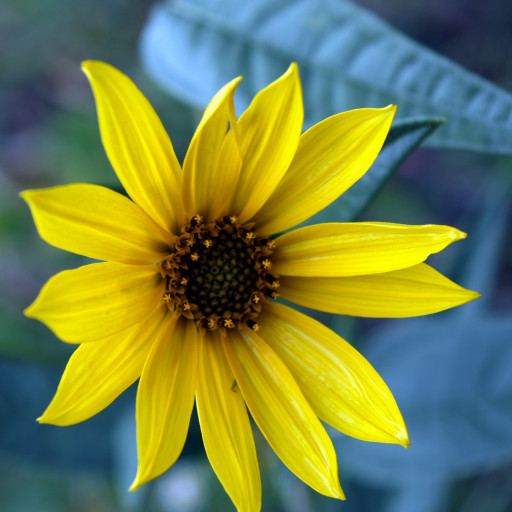
Plant Overview
Known as the Maximilian Sunflower, this North American native is a towering testament to the resilience of the prairie. Named after Prince Maximilian of Wied-Neuwied, a royal explorer who documented the American West in the 1830s, this plant is a late-season showstopper. Unlike the common annual sunflower, this is a hardy perennial that returns every year to provide a golden finale to the gardening season.
🔍 How to Identify
- 🌻 Flower Display: Produces numerous 2-to-3-inch wide golden-yellow blossoms that bloom directly along the upper half of the main stem, rather than just at the very top.
- 🍃 Unique Foliage: The long, narrow leaves (up to 12 inches) are distinctively "folded" lengthwise like a trough and curve gracefully downward.
- 📏 Stately Height: This plant is a giant, easily reaching 3 to 10 feet tall. Its central stem is often covered in fine, white hairs, giving it a slightly grayish-green cast.
🏡 In Your Garden
- 🦋 Wildlife Magnet: This plant acts as a vital "gas station" for migrating Monarch butterflies and native bees. In the winter, its heavy seed heads provide a high-energy feast for songbirds like goldfinches.
- 🧱 Natural Screen: Because of its height and dense colonial growth, it works perfectly as a living fence or "back of the border" plant. However, it spreads via underground rhizomes, so give it plenty of space or use root barriers to keep it from wandering into your neighbor's lawn.
- 💪 Prairie Toughness: It thrives in poor, clay-heavy soils where other flowers struggle. Its deep root system makes it exceptionally drought-tolerant once established, though it may lean or "flop" if the soil is too rich or moist.
⚠️ Safety & Toxicity
- ✅ General Safety: The Maximilian Sunflower is non-toxic to humans, dogs, cats, and horses. It is a very "family-friendly" addition to the landscape.
- 🧤 Skin Sensitivity: While not poisonous, the stiff, bristly hairs on the stems and leaves can cause mild skin irritation or "mechanical dermatitis" for people with sensitive skin. Wearing gloves while pruning is recommended.
✨ Fun Fact
Native Americans, including the Lakota and Sioux, utilized the Maximilian Sunflower for more than just its beauty; they harvested the nutritious, edible tubers (roots) and used the flowers to create a vibrant yellow dye for clothing and basketry.

Detailed Care Instructions
To grow Helianthus maximiliani, commonly known as Maximilian sunflower, you can follow these steps:
- Choose a suitable planting location: Maximilian sunflowers prefer full sun and well-draining soil. Select an area in your garden that receives at least 6-8 hours of direct sunlight per day. Ensure the soil is rich in organic matter and drains well to prevent waterlogging.
- Prepare the soil: Before planting, loosen the soil to a depth of 12-18 inches and amend it with compost or well-rotted manure. This helps improve soil fertility, drainage, and moisture retention.
- Planting: Plant Maximilian sunflower seeds directly in the soil after the last frost has passed in the spring. Sow the seeds about 1 inch deep and space them about 12-18 inches apart. If you want to transplant seedlings, start them indoors 4-6 weeks before the last frost date, and transplant them when they are 2-3 inches tall.
- Watering: Water the seeds or seedlings thoroughly after planting to ensure good soil-to-root contact. Afterward, water regularly but avoid overwatering, as excessive moisture can cause root rot. Water deeply when the top inch of soil feels dry.
- Mulching: Apply a layer of organic mulch around the base of the plants to help retain moisture, suppress weeds, and regulate soil temperatures. Straw, wood chips, or compost are suitable options for mulching.
- Fertilization: Helianthus maximiliani is relatively low-maintenance and generally does not require heavy fertilization. However, incorporating organic matter, such as compost or well-rotted manure, into the soil before planting should provide the necessary nutrients. If you observe signs of nutrient deficiency, you can apply a balanced, slow-release fertilizer according to the package instructions.
- Support: Depending on the variety and height of your Helianthus maximiliani, you may need to provide some support to prevent flopping or breakage. Staking or utilizing plant cages can help keep the plants upright and protect them from strong winds.
- Pruning: Deadhead spent flowers regularly to encourage continuous blooming and prevent self-seeding. In the fall, after the plants have finished flowering, you can cut them back to ground level or leave them standing for added winter interest and wildlife habitat.
- Pest and disease control: Helianthus maximiliani is generally resistant to pests and diseases. However, keeping the plants properly spaced to ensure good air circulation can help minimize fungal diseases. Keep an eye out for common pests like aphids, caterpillars, or slugs, and address any infestations promptly using appropriate organic pest control methods.
- Enjoy the blooms: Helianthus maximiliani typically blooms from late summer to fall, producing masses of vibrant yellow flowers that attract bees, butterflies, and other pollinators. Sit back and enjoy your beautiful sunflower display!

Place in a bright room that is sun drenched almost all day. Or directly in a south-facing window.

To water this plant, make sure to wait until the top layer of soil is dry before adding water. When watering, water slowly and evenly around the base of the plant, making sure to avoid getting water on the leaves. Use a watering can or hose with a gentle spray nozzle to prevent damaging the roots. It is important not to overwater, as this can lead to root rot. Finally, always observe the plant and adjust watering frequency as necessary based on environmental conditions such as temperature and humidity.
To fertilize this plant, first ensure that it is growing in well-draining soil with plenty of organic matter. In early spring, apply a balanced slow-release fertilizer according to the instructions on the package. As the plant grows and begins to produce flowers, switch to a high-phosphorus fertilizer to encourage flowering. Apply fertilizer every 6-8 weeks throughout the growing season, being careful not to over-fertilize as this can damage the plant. Water thoroughly after each application.
The Helianthus Maximiliani plant thrives best in well-draining soil with a pH level between 6.0 and 7.5. It requires soil that is rich in organic matter, including nitrogen, phosphorus, and potassium. The texture of the soil should be loamy, allowing for good water drainage while retaining moisture. A mixture of equal parts of sand, peat moss, and vermiculite can serve as an excellent soil for this plant, providing the necessary nutrients and drainage. This plant also prefers soil that is slightly acidic to neutral. Avoid using heavy clay soils that can retain too much moisture, leading to root rot, or compacted soil that can hinder root growth and development. In general, the ideal soil for Helianthus Maximiliani plant is one that is well-aerated, fertile, and rich in organic matter to promote healthy growth and flowering.
Helianthus Maximiliani plant can be propagated through seeds or vegetative cuttings. Seeds can be collected from fully matured flower heads in the fall once they have dried out and the seeds are brown and hard. To increase germination rates, the seeds can be scarified by soaking in warm water for a few hours or scratching the seed coat lightly with sandpaper.
For vegetative propagation, stem cuttings can be taken from healthy plants in the spring and summer. Cuttings should be at least 4-6 inches long and have a few nodes. Remove the lower leaves and dip the cut end in rooting hormone before planting in moist soil. Keep the cuttings in a warm, humid environment and water regularly until they have rooted and can be transplanted to their permanent location.
Another method of vegetative propagation is division. This involves separating the plant into smaller sections, making sure each section has a viable root system. This can be done in the fall or early spring when the plant is dormant. Carefully dig up the entire plant and gently pull apart the root sections. Replant the sections in their new location and water thoroughly.
Regardless of the method used, it is important to provide the new plant with adequate water and light until it becomes established. Once established, Helianthus Maximiliani plants are relatively low maintenance and can grow quite vigorously in the right conditions.
Common pests of the maximilian sunflower include Spider mites, thrips, whiteflies. Make a habit of checking your maximilian sunflower frequently for pests so that any infestations can be caught and managed early.








