Plant Overview
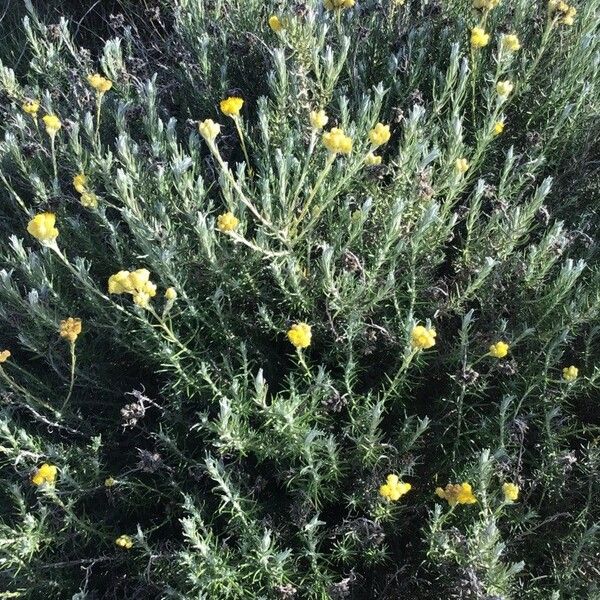
Helichrysum pendulum, often called the "Silver Everlasting," is a shimmering, velvet-textured beauty that looks like a frozen waterfall of moonlight. Hailing from the sun-drenched rocky cliffs of the Mediterranean, this plant is a master of survival in harsh, vertical environments. Its name is a poetic nod to its appearance: Helios (sun) and Chrysos (gold) represent its bright blooms, while pendulum describes its elegant, weeping habit.
🔍 How to Identify
- 🌿 Foliage: The leaves are narrow and densely covered in tiny, silver-white hairs, giving the entire plant a soft, felt-like texture and a metallic sheen.
- 🌼 Flowers: It produces clusters of small, button-shaped yellow flowers. These "everlasting" blooms have a papery texture and hold their color long after they have dried.
- 📏 Growth Habit: This is a "spiller" plant; its stems naturally arch and cascade downward, making it look spectacular when trailing over the edge of a stone wall or a hanging basket.
🏡 In Your Garden
- 🧗 Cliff-Dweller Heritage: Because it naturally grows in rocky crevices, it hates "wet feet." It requires exceptionally sharp drainage—think gravelly soil or terracotta pots—to prevent root rot during rainy seasons.
- ☀️ Sun-Powered Silver: The silver fuzz on its leaves acts as a natural sunblock. It thrives in intense, direct light and is highly drought-tolerant, making it a perfect choice for xeriscaping or low-maintenance rock gardens.
- ✂️ Pruning Nuance: To keep it from becoming too woody or leggy, it benefits from a light trim after flowering. However, avoid cutting back into the old, leafless wood, as it may struggle to regrow from those points.
⚠️ Safety & Toxicity
- 🐾 Pet Safety: Helichrysum pendulum is generally considered non-toxic to dogs, cats, and horses. It is a "worry-free" addition to a pet-friendly landscape.
- 👶 Human Safety: It is non-poisonous to humans. In fact, many members of the Helichrysum genus are used in traditional herbalism and essential oil production, though you should always consult a professional before using garden plants medicinally.
✨ Fun Fact
The "Everlasting" nickname is no exaggeration! The flower heads contain very little moisture and have stiff, bract-like petals. If you cut a stem and hang it upside down in a dark room, the flowers will retain their vivid yellow color and structural shape for years, making them a favorite for Victorian-era "immortal" dried bouquets.

Detailed Care Instructions
To grow Helichrysum pendulum plant, also known as everlastings or strawflowers, follow these steps:
- Choose the right location: Select a spot that receives full sun for at least 6 hours a day. Helichrysum pendulum plants thrive in warm, sunny climates.
- Prepare the soil: The soil should be well-draining with a pH level of 6.0 to 7.5. Incorporate organic matter like compost or well-rotted manure to enhance fertility and drainage.
- Start from seeds: You can start the plant from seeds indoors about 6-8 weeks before the last frost date. Sow the seeds in seed trays or individual pots filled with seed-starting mix. Cover the seeds lightly with soil and water gently.
- Transplant outdoors: Once the seedlings have grown to a height of 3-4 inches and all frost danger has passed, transplant them outdoors. Space the seedlings about 12-18 inches apart to provide enough room to grow.
- Watering: Helichrysum pendulum plants require regular watering, especially during dry spells. Water deeply, allowing the soil to dry slightly between waterings. Avoid overwatering as it can lead to root rot.
- Fertilizing: Use a balanced, slow-release fertilizer or organic fertilizer once a month to provide necessary nutrients to the plant. Follow the package instructions for proper dosage.
- Mulching: Apply a layer of organic mulch around the base of the plants to conserve moisture, suppress weed growth, and regulate soil temperature.
- Pruning: Regularly pinch back the growing tips to encourage branching and prevent the plant from becoming leggy. This will also promote more flower production.
- Deadheading: Remove spent flowers regularly to encourage continuous blooming. This will also prevent the plant from setting seeds, which can decrease flower production.
- Pests and diseases: Monitor the plants for any signs of pests like aphids or spider mites. Treat infestations with organic insecticidal soap or neem oil. Helichrysum pendulum plants are generally resistant to diseases, but ensure good air circulation to prevent fungal issues.
By following these steps, you can successfully grow Helichrysum pendulum plants and enjoy their bright and long-lasting flowers in your garden.
To water this particular plant, be sure to give it a thorough watering once a week, allowing the soil to dry out a bit in between waterings. Do not allow it to sit in standing water, as this can lead to root rot. Instead, water it deeply, allowing the water to soak in well before draining away. It is also important to fertilize the plant during the growing season to promote healthy growth and strong blooms.
To fertilize this plant, apply a balanced fertilizer with a 10-10-10 NPK ratio once a month during the growing season. Dilute the fertilizer to half strength before applying to avoid root burn. Water the plant deeply before and after fertilizing to ensure the nutrients are distributed evenly throughout the soil and are not concentrated in one area. Avoid over-fertilization, as this can lead to excessive vegetative growth and may reduce flowering.
The ideal soil for the Helichrysum Pendulum plant should be well-draining yet retains moisture. It should be slightly acidic with a pH range of 5.8-6.5. The soil should be rich in organic matter, such as compost or peat moss, to help the plant thrive. It is also important to ensure that the soil is nutrient-rich, with a balanced mixture of nitrogen, phosphorus, and potassium. To maintain a healthy soil structure, it is recommended to add perlite or sand to improve drainage and aeration. Avoid using soil that is heavy in clay or compacted as it can lead to poor drainage and root rot.
To propagate this plant, start by taking a stem cutting from a healthy plant. Choose a stem that is at least 4-6 inches long and has several leaves on it. Using a sharp, clean pair of scissors, cut the stem at a slight angle. Remove the lower leaves from the stem, leaving only a few at the top.
Prepare a small pot with a well-draining soil mix. Dip the cut end of the stem in rooting hormone powder and then insert it into the soil, burying the bare portion of the stem. Water the soil lightly and cover the pot with a plastic bag to create a humid environment that will encourage root growth.
Place the pot in a warm, bright location that receives indirect light. Mist the soil regularly to keep it moist but not soggy. Check the cutting after a few weeks to see if roots have formed by gently tugging on the stem. If it resists, the roots have formed and you can remove the plastic bag and begin caring for the new plant. If it pulls out easily, re-cover with the plastic bag and give it more time to root.








