Plant Overview
Known as the Mount Athos Everlasting, this rare botanical treasure hails from the holy peaks of Greece. It is a member of the strawflower family, famous for blooms that retain their vibrant yellow color and structural integrity long after they’ve been picked. Gardeners adore it for its ethereal, ghostly silver foliage that feels like soft felt to the touch.
🔍 How to Identify
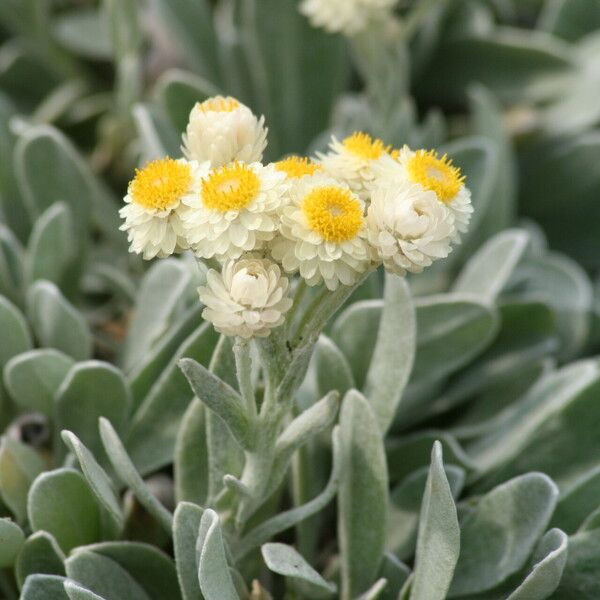
- 🐑 Woolly Foliage: The leaves are densely covered in tiny, silver-white hairs, giving the entire plant a shimmering, felt-like texture that protects it from intense mountain sun.
- 🌼 Everlasting Blooms: It produces small, button-like yellow flower heads surrounded by stiff, papery bracts that look "dried" even when the plant is alive.
- 🌿 Mounding Habit: It grows in a low, compact "cushion" or mat, making it look like a soft silver cloud nestled against the ground or rocks.
🏡 In Your Garden
- ⛰️ Alpine Aspirations: Because it originates from the rocky cliffs of Mount Athos, it demands exceptionally well-draining soil. It is a perfect candidate for rock gardens or "crevice" planting where water can quickly drain away from its crown.
- 🚫 The "Dry" Rule: This plant thrives on neglect. The most common mistake is overwatering; it has a sensitive taproot and a "woolly" coat that can trap moisture, leading to rot if the humidity is too high or the soil stays damp.
⚠️ Safety & Toxicity
- ✅ Safe Status: Helichrysum sibthorpii is generally considered non-toxic to humans, cats, and dogs.
- 🧤 Tactile Irritation: While not poisonous, the dense "fuzz" (trichomes) on the leaves can sometimes trap dust or environmental allergens, which might cause very mild skin itching for people with highly sensitive skin.
✨ Fun Fact
The name Helichrysum is derived from the Greek words helios (sun) and chrysos (gold). In ancient times, these "Everlasting" flowers were woven into golden crowns to decorate the statues of gods, symbolizing eternal life because the flowers never seem to wither.

Detailed Care Instructions








