Plant Overview
Known for its spectacular, gravity-defying floral displays, Heliconia pogonantha is the crown jewel of the tropical rainforest. Often called the "Beefsteak Heliconia" due to its thick, meaty red bracts, this Central American native brings an almost prehistoric drama to any landscape. It is a plant that doesn't just grow; it commands attention with its massive, pendulous blooms that can reach several feet in length.
🔍 How to Identify
- 🌺 The Inflorescence: Unlike many plants that point toward the sun, this Heliconia produces massive clusters of flowers that hang downward (pendulous). These "blooms" can grow up to 3 or 4 feet long.
- 🧣 Bearded Bracts: The name pogonantha literally means "bearded flower." Look closely at the bright red or pinkish bracts; they are often covered in fine, velvety hairs.
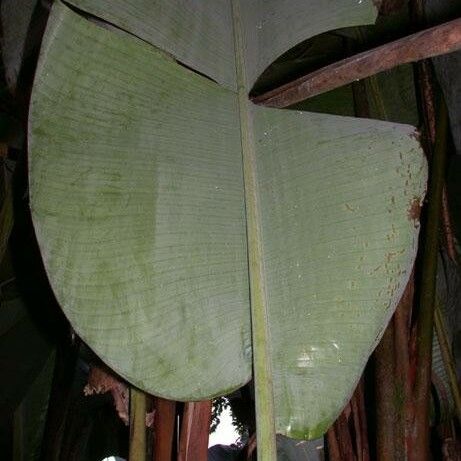
- 🍃 Banana-like Foliage: The leaves are large, paddle-shaped, and look very similar to banana leaves. They grow on long stalks and can reach impressive heights of 10 to 20 feet.
🏡 In Your Garden
- 💧 Thirsty Giants: These plants are heavy drinkers. Because they originate from low-land rainforests, they require consistently moist, rich soil. If the soil dries out completely, the leaf edges will quickly turn brown and crispy.
- 🛡️ Wind Protection: Because the leaves are so large, they act like sails in the wind. To keep the foliage looking pristine and prevent "shredding," plant them in a sheltered spot away from heavy gusts.
- ☁️ Humidity is Key: This isn't a plant for dry climates. It craves high humidity. If you are growing it outside of the tropics, frequent misting or a dedicated greenhouse environment is necessary for it to thrive.
⚠️ Safety & Toxicity
- ✅ Generally Safe: Heliconia pogonantha is considered non-toxic to humans and common household pets like cats and dogs.
- 🐜 Hidden Guests: While the plant itself isn't poisonous, the cupped bracts of the flowers often collect rainwater, creating tiny ecosystems for stinging ants or mosquitoes. Always be careful when reaching near the blooms!
✨ Fun Fact
In its native habitat, this plant has a "specialized" relationship with hummingbirds. The curve of the hummingbird's beak is often perfectly evolved to match the shape of the Heliconia flower, allowing the bird to reach the nectar while the plant hitches a ride for its pollen.

Detailed Care Instructions
To grow a Heliconia Pogonantha plant, follow these steps:
- Choose a suitable location: Heliconia Pogonantha plants prefer bright indirect sunlight or partial shade. Make sure the location is protected from strong winds and extreme temperatures.
- Prepare the soil: The soil should be well-draining and rich in organic matter. Mix in compost or well-rotted manure to improve fertility.
- Planting: Dig a hole that is slightly wider and deeper than the root ball of the plant. Place the plant in the hole and backfill with soil, gently firming it around the base.
- Watering: Keep the soil consistently moist, but not waterlogged. Water deeply and thoroughly, ensuring the water reaches the root zone. Avoid letting the soil dry out completely between waterings.
- Mulching: Apply a layer of organic mulch around the plant to retain moisture, regulate soil temperature, and suppress weed growth. Keep the mulch a few inches away from the stalks to prevent rot.
- Fertilizing: Use a balanced slow-release fertilizer or a granular fertilizer high in potassium and phosphorus to promote flowering. Apply according to the package instructions.
- Pruning: Remove dead or damaged leaves regularly, and prune the plant to remove old flower bracts after they have faded. This helps maintain a tidy appearance and encourages new growth.
- Support: Heliconia Pogonantha plants may benefit from staking or providing a support structure to prevent them from falling or tilting, especially if planted in an exposed location.
- Pests and diseases: Watch out for pests such as aphids, mealybugs, and scales. Treat any infestations promptly with neem oil or insecticidal soap. Also, ensure good air circulation to prevent fungal diseases.
- Propagation: Heliconia Pogonantha can be propagated through division or from rhizome cuttings. Divide mature plants by carefully separating clumps with roots attached, and replant in suitable locations.
Remember to provide regular care and maintenance to ensure the proper growth, health, and attractiveness of the Heliconia Pogonantha plant.
To water this plant, first check the soil moisture level by inserting a finger into the soil. If the soil feels dry to the touch, it's time to water. Use a watering can or hose and water the soil around the base of the plant until the soil is visibly moistened. Be careful not to overwater, as this can cause root rot. Wait until the soil dries out slightly before watering again. In areas with high humidity, misting the leaves occasionally can also be beneficial.
To fertilize this plant, use a well-balanced fertilizer that contains equal amounts of nitrogen, phosphorus, and potassium. Make sure to apply the fertilizer evenly over the soil surface, avoiding contact with the leaves or stem. Water the plant thoroughly immediately after fertilizing. Repeat this process once every month during the growing season, which typically runs from early spring through late summer.
The most suitable soil for Heliconia Pogonantha plant should consist of a mix of organic matter such as compost or decomposed leaves and soil that is well-draining. This type of soil will provide the necessary nutrients and moisture for the plant's growth while preventing waterlogging, which can lead to root rot. Additionally, the soil should be slightly acidic, with a pH between 5.5 and 6.5, as this is the optimal range for Heliconia Pogonantha plant growth. Lastly, the soil should be fertile and nutrient-rich, with balanced levels of nitrogen, phosphorus, and potassium to encourage healthy foliage growth, flower development, and overall plant health.
Heliconia Pogonantha plant is typically propagated by division. Here is how to do it:
- First, choose a healthy plant that has several stems. It should be at least two years old and have a well-established root system.
- Carefully dig up the plant and remove it from its pot or garden bed.
- Gently separate the individual stems of the plant from the main root system using a clean, sharp knife or gardening shears. Be sure to include a few healthy roots with each stem.
- Dip the cut end of each stem into rooting hormone powder to encourage faster root growth.
- Plant each stem in a new pot or garden bed, making sure to keep the soil moist but not overly wet.
- Place the newly propagated plants in a warm, humid location with bright, indirect light for several weeks.
- Wait until new growth appears on the plant before gradually moving it to a brighter location with more direct sunlight.
- Continue to water the plant regularly and provide it with a well-balanced fertilizer to encourage healthy growth. With proper care, your new Heliconia Pogonantha plants should thrive and produce beautiful flowers for years to come.








