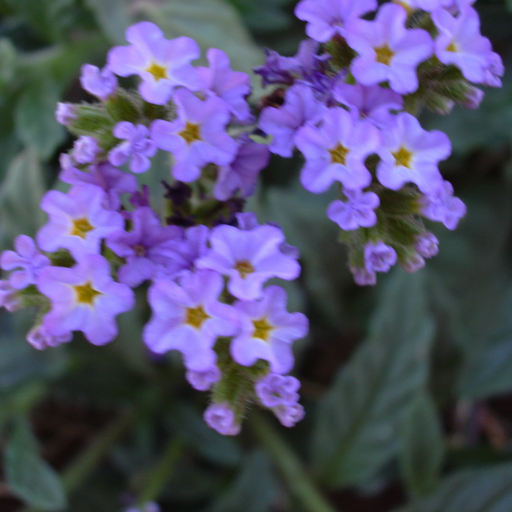
Plant Overview
Commonly known as the Blue Heliotrope or Clasping Heliotrope, this vibrant South American native is a master of survival. With its striking clusters of violet-purple flowers and a sweet, subtle fragrance, it often looks like an intentional garden beauty. However, don’t let its delicate appearance fool you—this plant is famous for its "clasping" leaves and a root system so deep it can survive the harshest droughts.
🔍 How to Identify
- 💜 The Bloom: Small, trumpet-shaped flowers arranged in one-sided, coiled spikes that resemble a scorpion's tail. They are typically bright purple or lilac with a distinct yellow "eye" in the center.
- 🌿 The Foliage: The leaves are dull green, covered in fine, soft hairs, and have noticeably wavy or crinkled edges.
- 📎 The Stem: True to its name (amplexicaule means "clasping the stem"), the base of the leaf wraps partially around the hairy, branching stems.
- 🌱 Growth Habit: It is a low-growing, prostrate perennial that creates dense, sprawling mats across the ground.
🏡 In Your Garden
- 💧 Drought Specialist: This plant possesses a massive taproot that can dive nearly two meters into the earth. This makes it incredibly difficult to eradicate once established, as it can resprout from tiny fragments of root left in the soil.
- ☀️ Sun Seeker: It thrives in full sun and disturbed soils. While it provides lovely ground cover, it is often considered a "noxious weed" in many regions because it outcompetes native grasses and can take over a garden bed in a single season.
⚠️ Safety & Toxicity
- 🐾 Toxic to Animals: Blue Heliotrope contains pyrrolizidine alkaloids, which are highly toxic to livestock, particularly horses, cattle, and pigs.
- 🚫 Pet Warning: While rarely fatal in a single nibble, cumulative ingestion can lead to permanent liver damage in dogs and cats. It is best to keep this plant out of reach of curious pets who like to graze.
✨ Fun Fact
The name "Heliotrope" is derived from the Greek words helios (sun) and trepein (to turn). Ancient observers believed the flower spikes turned their heads to follow the sun's journey across the sky throughout the day!

Detailed Care Instructions
To grow Heliotropium amplexicaule, also known as "Blue heliotrope," follow these steps:
- Choose the right location: Blue heliotrope plants thrive in full sun to partial shade. Select a spot in your garden or a container where the plant will receive at least 6 hours of sunlight per day.
- Prepare the soil: Blue heliotrope prefers well-draining soil. Amend the soil by adding compost, organic matter, or sand to improve drainage if necessary.
- Planting: If starting from seeds, sow them directly in the soil after the last frost date, usually in spring. Lightly cover the seeds with soil and water gently. Space the seeds or seedlings about 8-12 inches apart to allow for proper growth.
- Watering: Keep the soil consistently moist but not waterlogged. Avoid overwatering, as too much water can lead to root rot. Water the plant regularly, especially during dry periods.
- Mulching: Apply a layer of organic mulch around the base of the plant to help retain moisture and suppress weeds.
- Fertilizing: Blue heliotrope doesn't require excessive fertilization. Apply a balanced slow-release fertilizer during the growing season to encourage healthy growth. Follow the instructions on the fertilizer package for proper application.
- Pruning: Regularly trim back the plant to encourage bushier growth and prevent legginess. Pinch off the spent flowers to encourage continuous blooming.
- Pests and diseases: Blue heliotrope is generally fairly resistant to pests and diseases. However, keep an eye out for common garden pests like aphids or spider mites. If needed, treat with organic insecticides or spray with a mixture of water and mild soap.
- Winter care: Blue heliotrope is typically an annual plant but can be grown as a perennial in warmer climates. If you wish to overwinter the plant, bring it indoors before the first frost and place it in a sunny location. Water sparingly during winter dormancy.
By following these tips, you should be able to successfully grow and enjoy the beautiful blue blooms of Heliotropium amplexicaule.

Place in a bright room that is sun drenched almost all day. Or directly in a south-facing window.

When watering this plant, it is important to keep the soil consistently moist but not waterlogged. As a general rule, it should be watered deeply once a week, but this may vary depending on factors such as the plant's location, soil type, and weather conditions. When watering, it is best to pour the water directly onto the soil around the base of the plant rather than overhead, which can cause the leaves to become damp and increase the risk of disease. Be sure to allow the soil to dry out slightly between waterings to prevent root rot. Additionally, adding a layer of mulch around the base of the plant can help to retain moisture and reduce the need for frequent watering.
For the plant, use a balanced, slow-release fertilizer with equal amounts of nitrogen, phosphorus, and potassium. Fertilize during the growing season, once a month, following the manufacturer's instructions. Water the plant before fertilizing to prevent fertilizer burn. Avoid getting fertilizer on the leaves or stem, as it can cause damage to the plant.
Heliotropium Amplexicaule thrives in well-drained soil with a slightly acidic pH level between 6.0 and 7.0. The ideal soil mix should have a good moisture retention capacity to avoid the plant from drying out especially during hotter periods. A mixture of peat moss or compost, sand, and loam soil may provide the necessary drainage and nutrients the plant needs. The plant may benefit from occasional use of a slow-release fertilizer or adding organic matter such as aged manure or compost to the soil. It is important to avoid soil that is overly moist or has poor drainage, as this can lead to root rot and other fungal diseases.
Heliotropium amplexicaule plant can be propagated by taking stem cuttings from the mature plant. Take a stem cutting that is 3-4 inches long and has a few healthy leaves. Remove the lower leaves from the cutting and dip the cut end in rooting hormone. Plant the cutting in well-draining soil and mist the leaves with water. Cover the cutting with a plastic bag to create a humid environment and place it in a bright, warm location. Keep the soil moist but not waterlogged. After a few weeks, roots should begin to form and the cutting can be transplanted into a larger pot or outdoors in a sunny location.








