Plant Overview
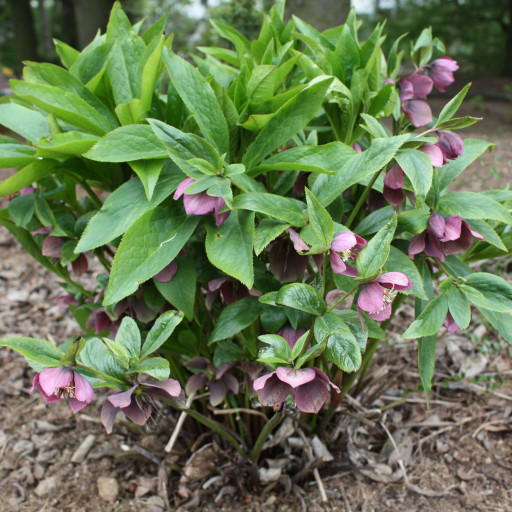
Known as the "Lenten Rose," this winter warrior defies the frost by blooming when the rest of the garden is still deep in its slumber. Often called the "Oracle of Spring," it hails from the rocky regions of Greece and Turkey, bringing elegant, downward-nodding blossoms to shaded corners. Despite its delicate rose-like appearance, it is actually a tough member of the buttercup family and a favorite for those seeking year-round interest.
🔍 How to Identify
- 🌸 The Flowers: Large, cup-shaped "petals" (which are actually sepals) that range from creamy white and dusty pink to deep, moody maroons and speckled purples.
- 🍃 The Foliage: Thick, leathery, evergreen leaves that are palmate—meaning they spread out like the fingers of a hand.
- 🔔 The Habit: The flowers have a charming "nodding" habit, bowing their heads toward the ground to protect their pollen from winter rains.
🏡 In Your Garden
- 🌳 The Shade Dweller: This plant is the king of the "dry shade" niche. It thrives under the canopy of deciduous trees where it gets winter sun but summer protection.
- 🌱 Root Sensitivity: Hellebores are notorious for their resentment of being moved. Because they have a deep, brittle root system, it is best to choose their "forever home" carefully to avoid transplant shock.
- ✂️ The Winter Clean-up: To truly see the blooms, gardeners often snip off the previous year’s leathery leaves in late winter. This prevents fungal spots and allows the new flower stalks to take center stage.
⚠️ Safety & Toxicity
- 🚫 Status: Toxic to humans, cats, dogs, and horses.
- 🤢 Details: All parts of the plant contain protoanemonin and ranunculin, which cause stomach upset if ingested. The sap can also cause mild skin irritation or "Hellebore dermatitis," so it’s wise to wear gloves when pruning or dividing.
✨ Fun Fact
In ancient Greek mythology, the Lenten Rose was famously used by the healer Melampus to cure the daughters of the King of Argos of a "madness" that made them run naked through the streets—marking it as one of the oldest recorded medicinal plants in history!

Detailed Care Instructions
| Color | White, Pink, Purple |
| Soil Ph | Neutral Or Alkaline |
| Humidity | Dry |
| Lighting | Part Sun |
| Soil Type | Rich, Moist Soil |
| Bloom Time | Winter, Spring |
| Difficulty | Medium |
| Plant Type | Herbaceous Perennial |
| Mature Size | 12 To 18 Inches Tall |
| Native Area | Caucasus, Turkey |
| Sun Exposure | Part Shade To Full Shade |
| Hardiness Zones | 4–9 |
To grow Helleborus Orientalis, also known as Lenten rose, follow these steps:
- Choose the right location: Helleborus Orientalis prefers partial shade to full shade. It can tolerate some morning sun but should be protected from hot afternoon sun. The soil should be well-draining and rich in organic matter.
- Prepare the soil: Amend the soil with compost or well-rotted manure to improve fertility and drainage. Helleborus Orientalis prefers slightly acidic to neutral soil with a pH between 6.0 and 7.0.
- Planting: Dig a hole slightly larger and deeper than the plant's root ball. Place the plant in the hole, ensuring that the crown is level with the soil surface. Backfill the hole with soil, gently firming it around the roots. Water thoroughly after planting.
- Watering: Helleborus Orientalis prefers consistent moisture but can tolerate periods of drought once established. Water deeply and regularly during dry spells. Avoid overwatering, as this can lead to root rot.
- Mulching: Apply a layer of organic mulch around the base of the plant, such as wood chips or shredded bark. This helps conserve moisture, suppress weeds, and regulate soil temperature.
- Fertilizing: Helleborus Orientalis is not heavy feeders but can benefit from an annual application of balanced, slow-release fertilizer in early spring. Avoid applying excessive nitrogen, as this can promote lush foliage growth but reduce flowering.
- Pruning: Remove any damaged, diseased, or discolored leaves as needed. Cut back the old foliage in late winter or early spring before new growth emerges. This helps promote better air circulation and prevents the spread of diseases.
- Division: Helleborus Orientalis can be divided every few years in early spring or early fall when the plant is dormant. Dig up the clump, carefully separate the divisions, and replant them at the desired location.
- Pests and diseases: Helleborus Orientalis is generally resistant to pests and diseases. However, watch out for common issues such as aphids, slugs, crown rot, and leaf spot. Address any problems promptly with appropriate organic or chemical controls.
With proper care and maintenance, Helleborus Orientalis will reward you with beautiful, long-lasting blooms from late winter to early spring.

Place in a dark room with little light, like a dark bedroom or a spot far away from a window or directly in a north-facing window.

To water this plant, it is important to provide consistent moisture without allowing the soil to become waterlogged. The best way to achieve this is to water deeply once a week during the warmer months and reduce watering during the cooler months. When watering, it is important to water at the base of the plant and avoid wetting the leaves as this can lead to fungal issues. The soil should be allowed to dry slightly between waterings, but not completely dry out. In addition, it is important to use well-draining soil and ensure the plant has adequate drainage to prevent waterlogging.
To fertilize this specific plant, use a balanced fertilizer with equal amounts of nitrogen, phosphorus, and potassium. Apply the fertilizer in the spring before new growth emerges and once again after flowering has finished. Water the plant thoroughly before and after fertilizing. Be careful not to apply too much fertilizer, as it can cause damage to the plant.
The ideal soil for Helleborus Orientalis plants is one that is rich in organic matter, well-draining, and slightly acidic. It should have a pH level between 6.0 and 6.5. The soil should be moist but not waterlogged, as excessive water can lead to root rot and other problems. It is recommended to add organic matter such as compost or well-rotted manure to the soil before planting, as this will help improve its structure and fertility. Additionally, Helleborus Orientalis plants prefer partial to full shade, so it is best to plant them in an area that receives at least a few hours of indirect sunlight each day. Regular watering and fertilization can help to ensure the plant grows healthy and strong.
Step 1: Choose a healthy mature plant with a strong root system
Step 2: Wait until the plant has finished flowering and the seed pods have formed
Step 3: Collect the seed pods and allow them to dry out completely
Step 4: Once the seed pods have dried, gently rub them between your hands to release the seeds
Step 5: Sow the seeds in a well-draining potting mix and cover them lightly with soil
Step 6: Water the seeds regularly to keep the soil moist, but not waterlogged
Step 7: Keep the seeds in a bright, but not direct, spot and at a temperature around 15-21°C (59-70°F)
Step 8: Germination can take up to several weeks, so be patient
Step 9: Once the seedlings have a few sets of true leaves, they can be transplanted into separate pots or into the garden
Step 10: When transplanting, ensure that the soil is moist and the plants are spaced at least 30 cm (12 inches) apart
Step 11: Water the transplanted seedlings regularly until they have established a strong root system
Common pests of the lenten rose include Aphids, larvae, snails. Make a habit of checking your lenten rose frequently for pests so that any infestations can be caught and managed early.








