Plant Overview
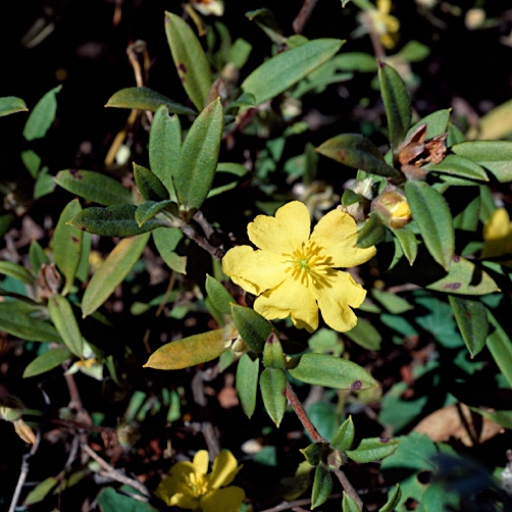
Known affectionately as the Willow-leaved Guinea Flower, Hibbertia saligna is a radiant Australian native that brings a splash of sunshine to any landscape. Its name "saligna" refers to its willow-like foliage, which provides an elegant, pendulous backdrop to its brilliant yellow blooms. Often found hugging the coastlines and rocky ridges of New South Wales, this hardy shrub is a favorite for those looking to recreate the rugged beauty of the Australian bush in their own backyard.
🔍 How to Identify
- 🌿 Willow-like Foliage: The leaves are long, narrow, and lance-shaped, reaching up to 10cm. They are dark green on top with a surprisingly soft, silky-white underside that shimmers when the wind blows.
- 🌼 Golden Blooms: It produces large, five-petaled flowers in a deep, buttery yellow. These blooms usually emerge from the leaf axils, creating a "studded" look along the branches.
- 📏 Growth Habit: This is a versatile grower; it can behave as an upright shrub reaching up to 2 meters or sprawl out as a dense groundcover depending on how much light it receives.
🏡 In Your Garden
- 💧 Drainage is Key: Like many Australian natives, this plant has a deep-seated hatred for "wet feet." It prefers sandy or rocky soils where water moves quickly; sitting in stagnant water will likely lead to root rot.
- ✂️ Pruning for Shape: Left to its own devices, it can become a bit "leggy" or sparse. A light trim after the flowering season encourages the plant to bush out, creating a much denser and more attractive screen or ground filler.
- ☀️ Sun vs. Shade: While it thrives in full sun, it is remarkably tolerant of dappled shade. In hotter climates, a little afternoon shade helps the delicate petals from scorching during mid-summer heatwaves.
⚠️ Safety & Toxicity
- 🟢 Low Risk: Hibbertia saligna is generally considered non-toxic to humans and common household pets like dogs and cats.
- 🧤 Skin Sensitivity: While not poisonous, the fine hairs on the underside of the leaves or the sap can occasionally cause mild skin irritation for people with very sensitive skin. Wearing gloves while pruning is a simple way to stay comfortable.
✨ Fun Fact
The genus Hibbertia was named in honor of George Hibbert, a prominent 18th-century English merchant and amateur botanist who was so obsessed with exotic plants that he maintained one of the finest private botanical gardens in London!

Detailed Care Instructions








