Plant Overview
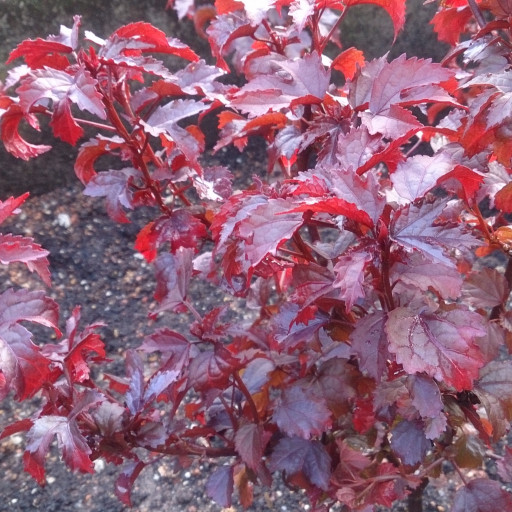
Known as the Cranberry Hibiscus or Red Shield, this striking African native is the ultimate "goth" of the garden. While most hibiscus are grown for their massive blooms, this species is prized for its deep, wine-red foliage that looks remarkably like a Japanese Maple. It is a fast-growing, dramatic shrub that adds instant mood and contrast to any landscape or patio.
🔍 How to Identify
- 🍷 The Foliage: The most striking feature is the deeply lobed, serrated leaves that come in shades of burgundy, maroon, or dark bronze.
- 🌸 The Blooms: Flowers are subtle compared to other hibiscuses; they are usually a dusty pink or maroon with a deep purple "eye" at the center, typically blooming in late summer or fall.
- 🎋 The Stems: The stems are long, flexible, and share the same dark reddish-purple hue as the leaves, becoming slightly woody at the base as the plant matures.
🏡 In Your Garden
- ☀️ Sun for Color: To keep its signature "cranberry" color, this plant needs full sun; if placed in too much shade, the leaves will fade to a muddy green.
- ✂️ The Pruning Secret: It can become "leggy" very quickly due to its rapid growth rate. Frequent pinching of the tips is necessary to encourage a bushy, full shape rather than one tall, thin stalk.
- 💧 Thirsty Habits: Because it grows so fast, it has a high metabolic rate and hates to dry out completely. It thrives in rich, well-draining soil that stays consistently moist.
⚠️ Safety & Toxicity
- ✅ Status: Generally non-toxic and widely considered edible.
- 🍴 Details: The young leaves are actually a popular culinary ingredient in many cultures! They have a sharp, acidic, "cranberry-like" tang and are often used raw in salads or cooked with rice. However, as with any ornamental plant, ensure it hasn't been treated with chemical pesticides before tasting.
✨ Fun Fact
The leaves of the Cranberry Hibiscus are rich in antioxidants—even more so than blueberries! Interestingly, unlike many other red vegetables, the leaves retain their vivid purple-red color even after being boiled or steamed.

Detailed Care Instructions
| Lighting | Full Sun |
| Bloom Time | Throughout The Summer |
| Mature Size | About 4 Ft. (H) X 4-6 Ft. (W) |
| Sun Exposure | Full Sun To Partial Shade |
| Hardiness Zones | 7-11 |
To grow Hibiscus acetosella, also known as cranberry hibiscus or false roselle, you can follow these steps:
- Choose a suitable location: Hibiscus acetosella prefers full sun, so find a spot in your garden that receives at least six hours of direct sunlight per day. It can tolerate partial shade but may not flower as abundantly.
- Prepare the soil: The plant thrives in well-draining soil. If your soil is heavy clay or poorly draining, amend it with organic matter like compost or well-rotted manure to improve drainage.
- Planting: Determine the spacing requirements for your specific variety, as it can vary. Dig a hole in the prepared soil that is slightly larger than the root ball. Place the plant in the hole, ensuring it is at the same level it was in the container. Backfill the hole with soil, gently patting it down around the base of the plant.
- Watering: After planting, give the hibiscus acetosella a thorough watering. Then, water regularly to keep the soil moist, but not waterlogged. Aim for about one inch of water per week, adjusting according to rainfall and temperature.
- Fertilizing: Apply a balanced fertilizer, such as a 10-10-10 or 20-20-20, once every four to six weeks during the growing season. Follow the instructions on the packaging for the recommended dosage.
- Pruning: Prune the plant to maintain a desirable shape and encourage bushy growth. Remove any dead or damaged branches throughout the year. In early spring, you can cut the plant back by about one-third to promote new growth.
- Protection from frost: Hibiscus acetosella is not frost-tolerant. If you live in an area with cold winters, consider growing it as an annual or move it indoors before the first frost. Alternatively, you can cover the plant with a frost blanket or horticultural fleece to protect it from freezing temperatures.
- Pests and diseases: Monitor the plant regularly for common pests like aphids, mealybugs, or whiteflies. Treat any infestations with insecticidal soap or neem oil. Additionally, practice good garden hygiene to prevent diseases by ensuring adequate spacing, providing good air circulation, and avoiding overwatering.
By following these steps, you can successfully grow Hibiscus acetosella and enjoy its vibrant red foliage and attractive flowers.

Place in a window with dappled sun or a spot in the middle of a room. Or directly in a window facing west or east.

To water the plant, carefully pour water slowly onto the soil around the base of the stems, taking care not to get water on the foliage. Water the plant deeply, allowing the water to penetrate the soil to a depth of at least a few inches. Allow the soil to dry out slightly before watering again, as overwatering can lead to root rot. It is important to monitor the moisture level of the soil regularly and adjust watering frequency as needed based on the plant's needs and the environmental conditions.
To fertilize this plant, use a balanced fertilizer with an equal amount of nitrogen, phosphorus, and potassium. Apply it once a month during the growing season. Mix the fertilizer with water according to the instructions on the package and pour it over the soil around the plant. Avoid getting the fertilizer on the leaves as it may cause burning. Water the plant well after fertilizing to ensure the fertilizer reaches the roots.
The soil that is best suited for the Hibiscus Acetosella plant is a well-draining soil that is rich in organic matter. The soil should be slightly acidic with a pH range of 5.5 - 6.5. It should also be a fertile soil that is able to retain moisture whilst also allowing excess water to drain away. A mixture of peat moss, vermiculite, and perlite may be recommended for the cultivation of this plant. The addition of slow-release fertilizers can help provide essential nutrients to the plant and encourage healthy growth. It is important that the soil is kept moist but not waterlogged as the plant prefers a consistent level of moisture. The use of a high-quality potting mix can provide the necessary nutrients that the plant requires for optimal growth and development.
To propagate this plant, select a healthy and mature stem and then make a cutting approximately 10-15 cm (4-6 inches) long from it. Remove any leaves from the bottom half of the cutting.
Next, place the cutting in a jar or vase of water, ensuring that at least half of the stem is submerged in the water. Place the jar in an area with bright, indirect sunlight.
After several weeks, the cutting will start to grow roots. Once the roots are approximately 5 cm (2 inches) long, it is ready to be transferred to a pot. Fill a pot with well-draining soil and create a hole in the center. Carefully transfer the cutting into the hole and fill the pot with soil.
Water the newly potted cutting and place it in an area with bright, indirect sunlight. It is important to keep the soil moist but not water-logged.
With proper care and attention, the cutting will continue to grow into a healthy and vibrant Hibiscus Acetosella plant.
Common pests of the cranberry hibiscus include Mealybugs, spider mites, fungus gnats, aphids, thrips. Make a habit of checking your cranberry hibiscus frequently for pests so that any infestations can be caught and managed early.








